Best Guitar Cables for Beginners: Length, Quality, and Noise
A guitar cable seems like an afterthought until a cheap one fails mid-song or hums with noise. A good instrument cable is reliable, quiet, and lasts years. Here is what to buy, how we chose, and what to expect — and why you do not need to spend a fortune.
HobbyStack may earn a commission from links on this page at no extra cost to you. Our picks are chosen on merit; the commission helps fund the research.
- You only need a cable for an electric guitar (or acoustic-electric plugged in) — pure acoustics need none.
- A 10-foot cable is the practical all-rounder for home; longer cables add reach but more potential noise.
- Reliability and good connectors matter more than exotic “tone” claims — buy a quality cable and forget it.
- A right-angle plug at the guitar end sits neatly and reduces strain on the jack.
- The Mogami Gold is the trusted pro-standard step up; a basic D’Addario is fine to start.


Length and connectors
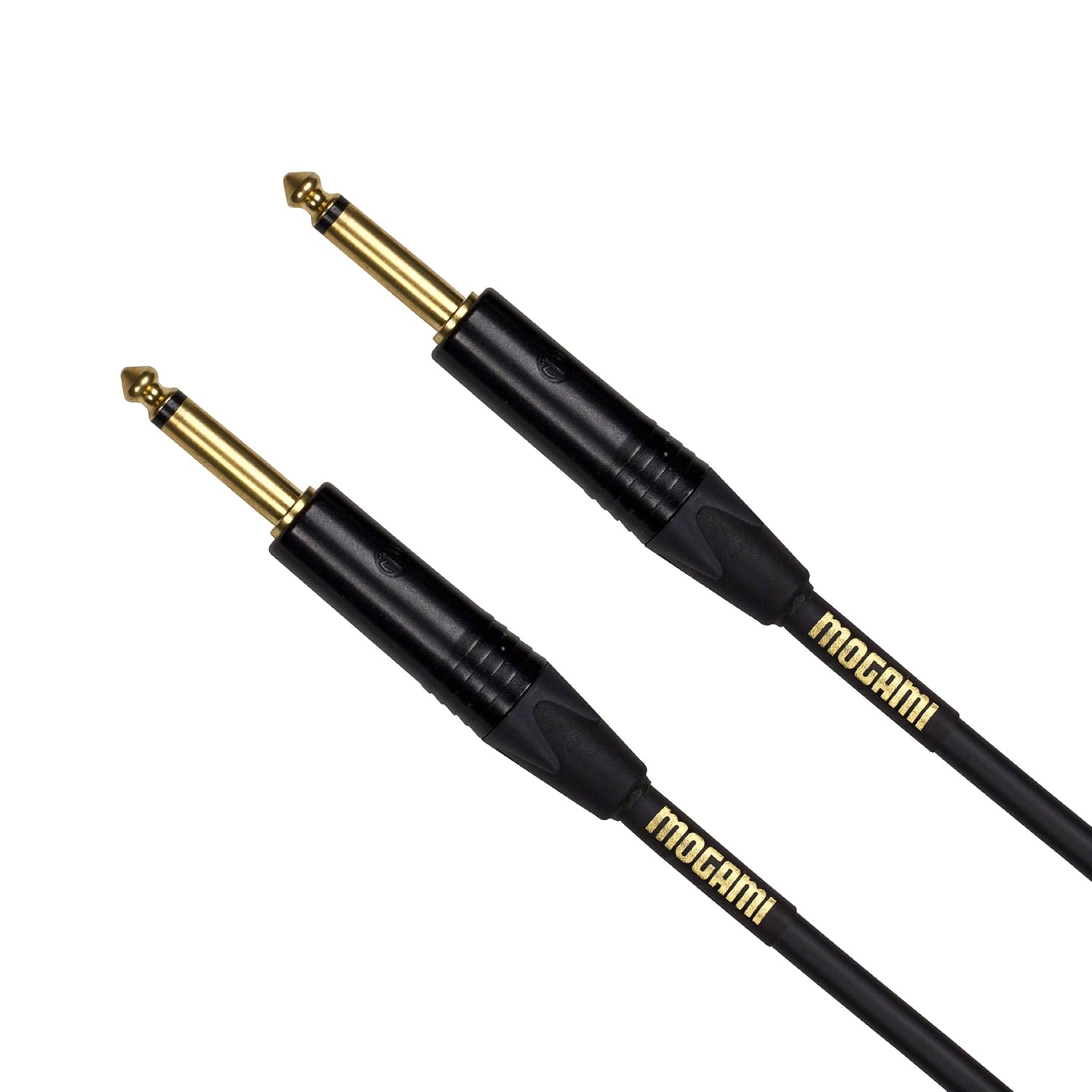
For home practice, a 10-foot cable is the sweet spot: enough room to stand and move without a trip hazard or the signal loss that very long cables can introduce. Go to 18–20 feet only if you need to roam a stage. A right-angle plug at the guitar end tucks against the body neatly and puts less strain on the output jack, while a straight plug goes into your amp.
Durability lives in the connectors and the strain relief where the cable meets the plug — that is where cheap cables fail. A well-built cable with solid jacks will outlast a drawer full of bargain ones.
How we picked
We rated cables on the things that actually matter and ignored the hype. Reliability: solid connectors and good strain relief at the plugs, since that is where cheap cables die. Quiet operation: proper shielding to reject hum and handling noise. Sensible length: 10 feet for home use, enough to move without excess slack or signal loss. Honest value: we treat tone claims sceptically — a good mid-priced cable is quiet and durable, and the boutique option is included as an optional luxury, not a necessity. We picked a reliable budget cable, the pro-standard workhorse, and a boutique cable for the curious.
 Best value cable
D'Addario Custom Series Cable (10 ft)
$15The dependable starter cable, and honestly all a beginner needs. D’Addario’s Custom Series gives you solid shielding so it stays quiet, sturdy connectors that survive being unplugged and coiled day after day, and a practical 10-foot length — all for the price of a couple of coffees. There is no premium-brand cachet and the strain relief is basic compared with pricier cables, but it does its job reliably and lasts. Spend your money on the guitar and amp; a cable like this will quietly get on with the job for years.
What's good
- Quiet and reliable
- Durable connectors
- Inexpensive
- Practical 10-foot length
What's not
- No premium-cable cachet
- Basic strain relief vs pricier cables
- Plain looks
 Best all-rounder
Mogami Gold Instrument Cable (10 ft)
$45The buy-once workhorse trusted in professional studios worldwide. Mogami Gold uses oxygen-free copper, gold-plated contacts, and superb shielding for a dead-quiet signal, and the build quality is reflected in its lifetime warranty — the kind of cable you buy once and likely never replace. The tone gains over a good budget cable are subtle (anyone claiming a cable transforms your sound is overselling), so what you are really paying for is durability and reliability you can forget about. If you want one cable that simply never lets you down, this is it.
What's good
- Pro studio-standard build and shielding
- Gold contacts, very quiet
- Lifetime warranty
- Buy-once reliability
What's not
- Three times the price of a basic cable
- Tone gains over a good cable are subtle
- Overkill for casual bedroom use
 Best boutique cable
Evidence Audio Forte Cable
$110The audiophile option for players chasing the last few percent. The Forte uses high-purity copper conductors with a proprietary design aimed at the clarity of a solid-core cable in a flexible, rugged build, and players who care about tone report a more articulate, full-bodied sound with a strong low end. Whether you hear the difference depends on your ears, your rig, and how much you believe — and it is genuinely unnecessary for a beginner. But it is beautifully made and here for the moment the tone bug bites and you want to find out for yourself.
What's good
- Articulate, full-bodied tone
- High-quality flexible build
- A treat for tone obsessives
- Rugged despite premium materials
What's not
- Expensive for what a beginner needs
- Differences are subtle in practice
- Diminishing returns over the Mogami
Cables die at the connectors, usually from being yanked or coiled badly. Unplug by gripping the plug, not the cable, and coil it in loose loops (the “over-under” technique) rather than tight wraps around your elbow. A little care makes even a budget cable last for years.
What to expect
A cable is the most boring piece of gear you’ll buy and, ideally, the one you think about least — plug in, play, and forget it. The main thing that goes wrong is self-inflicted: yanking the cable out by the wire or coiling it tightly around your arm wrecks the connectors over time. Pull from the plug, coil loosely, and a decent cable lasts for years. If you ever get crackling or hum, swap in another cable to check before assuming the worst — a failing cable is cheap to replace, and isolating it saves you chasing phantom amp problems. And remember: if you’re on a pure acoustic, you don’t need a cable at all until you add a pickup or play amplified.
It is easy to fall down the cable rabbit hole believing a pricier one will transform your sound. For a beginner it won’t — your tone comes overwhelmingly from your hands, the guitar, and the amp, in that order. A good, reliable, well-shielded cable is all you need. Put the money you’d spend chasing boutique cables toward lessons or a better amp instead.
Before you buy
A 10-foot cable is the practical length for home practice.
A right-angle plug at the guitar end reduces strain on the jack.
Prioritise solid connectors and shielding over “tone” marketing.
Unplug by the plug, never by pulling the cable.
Acoustic (non-electric) guitars need no cable at all.
Guitar cable questions
What guitar cable should a beginner buy?
What length guitar cable do I need?
Do expensive guitar cables sound better?
Why is my guitar cable noisy or crackling?
Do I need a cable for an acoustic guitar?
Straight or right-angle plug — does it matter?
Don’t overspend, but don’t buy the cheapest no-name cable either. A D’Addario Custom Series 10-footer is reliable and inexpensive — all most beginners need. The Mogami Gold is the buy-once, pro-standard upgrade with a lifetime warranty. Boutique cables like the Evidence Audio Forte are lovely but optional. Coil it kindly, pull from the plug, and it will last for years.
The HobbyStack editorial team researches each guide using practitioner communities, published resources, and direct input from active hobbyists. Every guide is reviewed for accuracy before publication and updated when practices change.
About our editorial process →More gear guides
Best Acoustic Guitar Strings for Beginners: Gauge, Coating, and Tone
Fresh strings transform how a guitar sounds and feels — and beginners often play far too long on old, dead ones. Light-gauge strings are easier on new fingers, and coated strings last longer. Here is what to put on your acoustic, how we chose, and what to expect.
Best Beginner Acoustic Guitar 2026: Yamaha FG800 vs Fender CD-60S vs Taylor GS Mini
The first acoustic guitar makes or breaks whether you stick with the instrument. Spend $80 and you'll quit in 6 months. Spend $230 and you'll be playing in 5 years. Here are the three acoustics worth buying as a beginner.
Best Beginner Electric Guitars: The Yamaha Pacifica and Its Rivals
A good beginner electric is easy to play, stays in tune, and is versatile enough for any style — and you do not need to spend much to get one. The Yamaha Pacifica is the runaway favourite. Here are three, how we chose them, and what to expect.
Best Beginner Guitar Amps: From Practice Amp to Modeling Powerhouse
An electric guitar needs an amp to make a sound — but the right beginner amp does far more than get loud. Modern modeling amps pack dozens of tones and effects into a small box. Here are three worth plugging into, how we chose them, and what to expect.
Best Guitar Capos for Beginners: Quick-Change, Clamp, and Tuning Stability
A capo clamps across the fretboard to raise your guitar’s pitch, letting you play songs in new keys using the easy open chords you already know. It is a small, cheap tool that unlocks a huge amount of music. Here are three, how we chose them, and what to expect.
Best Guitar Picks for Beginners: Gauge, Material, and What to Try
Picks are cheap, tiny, and weirdly important — the gauge you hold changes how easily you strum and how your guitar sounds. Buy a variety, find your favourite, then stock up. Here is where to start, how we chose, and what to expect.