
Playing Guitar
Ideal for those who are happy spending hours repeating the same movements..
0 usersCommunity fit
You end up with a performance to share.
Wondering if Playing Guitar is your kind of thing?
See your match — 2-min quizYour fingertips hurt for the first few weeks and the chord changes feel hopelessly clumsy, like patting your head and rubbing your stomach. Then something clicks and you're stumbling through an actual song, badly but recognizably, and it's hard to put down.
The wall most people hit is the F chord and the plateau after the easy wins.
Push past it and you get the rare hobby that lets you make music in a single afternoon.
Is this for you?
Honest tradeoffs before you spend money or clear space.
You'll enjoy this if
- Stumbling through a recognizable song badly is enough to hook you.
- Happy drilling chord changes alone until they stop fumbling.
- Making real music in a single afternoon is the payoff you want.
Not for you if
- Sore fingertips and a clumsy fretting hand would make you quit early.
- The F chord wall and the post-easy-wins plateau would defeat you.
- Practicing alone for ages with slow progress sounds miserable.
Tends to suitThe ArtistThe Performer
What to expect
Rough shape of the first few months — not a promise, a mental model.
- first session
Your fingertips hurt from pressing steel strings, your chord shapes mute the strings they shouldn't, and switching from G to C takes six seconds with a lot of fumbling in between. Nothing sounds clean, and your fretting hand aches after twenty minutes.
- first month
Three or four chords live in your hand without deliberate thought, and you strum through a recognizable song — badly, but recognizably. The moment you play something that sounds like an actual song instead of a chord exercise is the first moment you understand why people carry guitars everywhere.
- few months in
You've crossed the F chord wall, or you're close. Chord transitions happen fast enough to keep tempo on a strum pattern, and a short song sits in your fingers from memory. The fingertip calluses are in — pressing down doesn't hurt anymore — and the instrument is starting to feel like a way to say something rather than a puzzle you're solving.
What people say
The first few weeks your fingertips hurt and chords buzz no matter what you do. That passes. Pushing through the sore fingers stage is basically the whole battle, and then it suddenly gets fun.
Tip: Practise ten minutes every day rather than an hour on Sunday. Calluses and muscle memory need frequency.
Just started · HobbyStackWildly rewarding once a few chords stick and you can play a real song. Cheap no name guitars nearly put me off though, because they're hard to fret. A decent starter and a proper setup changes everything.
Tip: Get whatever guitar you buy set up by a tech. Low, clean action makes learning far less painful.
A few months in · HobbyStackStill the thing I reach for to unwind. The plateau in the middle is real, where you can strum songs but feel stuck. Learning a bit of theory and some lead playing got me past it.
Tip: Tune up every single time before you play. An out of tune guitar trains your ear wrong.
Years in · HobbyStack
Playing Guitar guides
Gear guides
Best Acoustic Guitar Strings for Beginners: Gauge, Coating, and Tone
Fresh strings transform how a guitar sounds and feels — and beginners often play far too long on old, dead ones. Light-gauge strings are easier on new fingers, and coated strings last longer. Here is what to put on your acoustic, how we chose, and what to expect.
Best Beginner Acoustic Guitar 2026: Yamaha FG800 vs Fender CD-60S vs Taylor GS Mini
The first acoustic guitar makes or breaks whether you stick with the instrument. Spend $80 and you'll quit in 6 months. Spend $230 and you'll be playing in 5 years. Here are the three acoustics worth buying as a beginner.
Best Beginner Electric Guitars: The Yamaha Pacifica and Its Rivals
A good beginner electric is easy to play, stays in tune, and is versatile enough for any style — and you do not need to spend much to get one. The Yamaha Pacifica is the runaway favourite. Here are three, how we chose them, and what to expect.
Best Beginner Guitar Amps: From Practice Amp to Modeling Powerhouse
An electric guitar needs an amp to make a sound — but the right beginner amp does far more than get loud. Modern modeling amps pack dozens of tones and effects into a small box. Here are three worth plugging into, how we chose them, and what to expect.
Best Guitar Cables for Beginners: Length, Quality, and Noise
A guitar cable seems like an afterthought until a cheap one fails mid-song or hums with noise. A good instrument cable is reliable, quiet, and lasts years. Here is what to buy, how we chose, and what to expect — and why you do not need to spend a fortune.
Best Guitar Capos for Beginners: Quick-Change, Clamp, and Tuning Stability
A capo clamps across the fretboard to raise your guitar’s pitch, letting you play songs in new keys using the easy open chords you already know. It is a small, cheap tool that unlocks a huge amount of music. Here are three, how we chose them, and what to expect.
Best Guitar Picks for Beginners: Gauge, Material, and What to Try
Picks are cheap, tiny, and weirdly important — the gauge you hold changes how easily you strum and how your guitar sounds. Buy a variety, find your favourite, then stock up. Here is where to start, how we chose, and what to expect.
Best Guitar Straps for Beginners: Comfort, Material, and Fit
A strap lets you stand up and play, and a comfortable one makes long sessions painless. It is a small purchase with a real effect on how much you enjoy playing. Here are three worth wearing, how we chose them, and what to expect.
Best Guitar Tuners for Beginners: Clip-On, Metronome, and Strobe
An out-of-tune guitar sounds bad no matter how well you play — and trains your ear wrong. A clip-on tuner is one of the cheapest, most essential things a beginner can own. Here are three, how we chose them, and what to expect.
From the blog
- Dopamine Hobbies: 15 That Reset Your Brain (Without a Screen)
- Hobbies for ADHD: 13 Activities That Match How Your Brain Works
- 17 Hobbies That Actually Make You More Confident
- Indoor Hobbies for Adults: 18 Things to Do When You're Stuck Inside
- The Ultimate List of Hobbies: 200+ Ideas Sorted by Type
- Hobbies That Make Money: 10 That Can Actually Pay You Back
Projects to get you started
Real things to make, beginner to advanced. Start with whatever appeals — nothing's locked, no set order.
Beginner
2 projectsIntermediate
3 projectsAdvanced
1 projectThe full kit
The essentials run about $963 — you don't need it all to start: each project above lists only what it uses, and the first is often free. Links open Amazon (affiliate tag).

Acoustic Guitar
Yamaha FG800 Acoustic Guitar
~$260Buy

Electric Guitar
Yamaha Pacifica PAC112V
~$330Buy

Guitar Amplifier
Boss Katana 50 MkII
~$250Buy

Guitar Picks
Dunlop Tortex Standard .73mm (12-Pack)
~$5Buy

Guitar Tuner
Korg TM-60 Tuner & Metronome
~$30Buy

Guitar Strap
Levy's MSS3 Suede Strap
~$30Buy
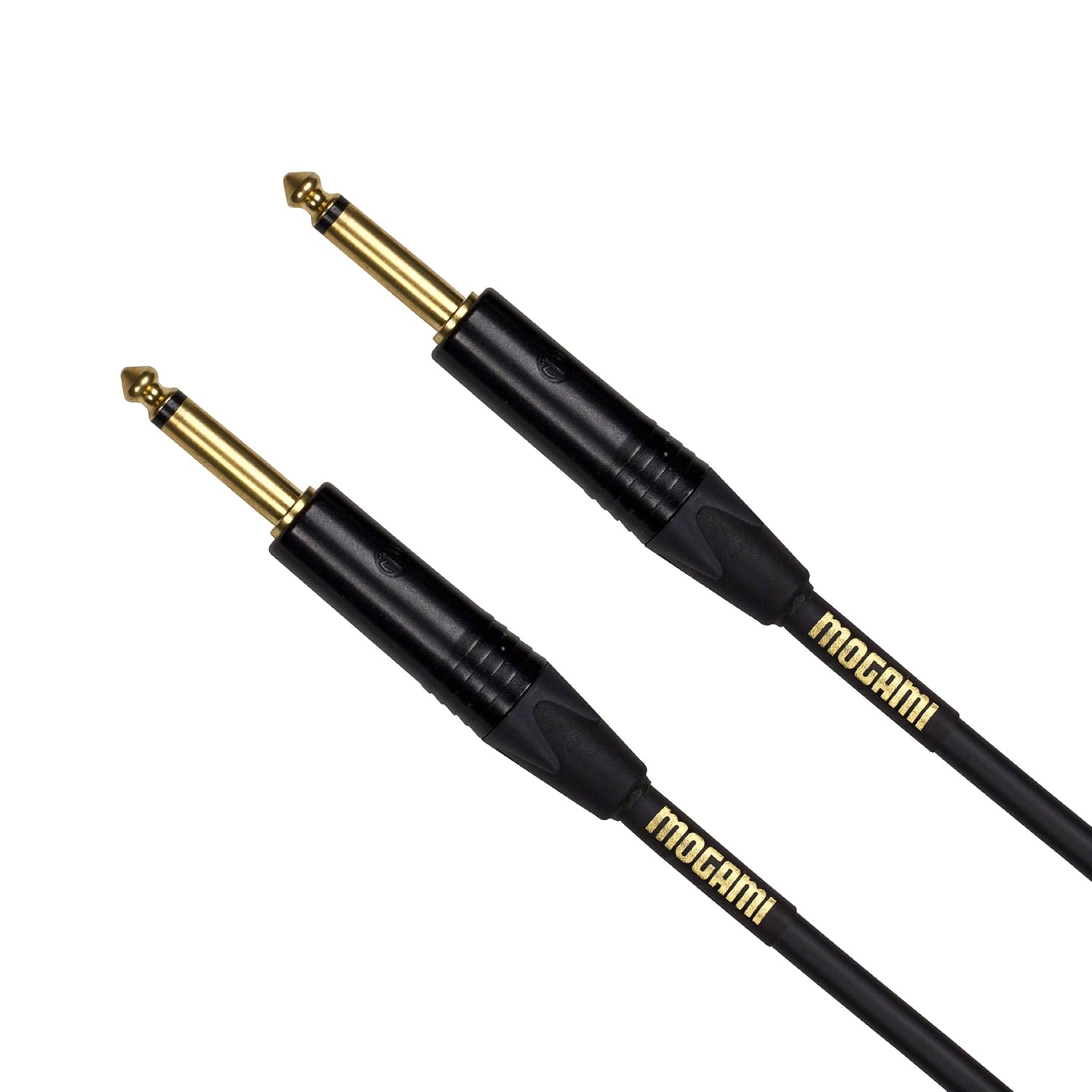
Guitar Cable
Mogami Gold Instrument Cable (10 ft)
~$45Buy

Guitar Strings
Martin Authentic SP Phosphor Bronze (Light)
~$13Buy
Related hobbies
If Playing Guitar appeals, these share its shape — same kind of pull, different craft.


Frequently asked questions
How much does it cost to start Playing Guitar?
A solid starter setup for Playing Guitar runs about $963 based on our curated picks — that covers the essentials without over-buying. Real spend varies by brand, condition (new vs. used), and what you already own. See the Tools & gear tab for the full itemised list with current pricing.
Is Playing Guitar hard to learn?
Playing Guitar has a genuine learning curve — expect months of regular practice before things feel natural. Early sessions can feel clunky, but that's normal. Most people find the progress itself motivating: there is always a clear next thing to improve. Starting with a structured lesson or class rather than self-teaching makes a meaningful difference in how fast you progress.
What do you actually need to start Playing Guitar?
The Projects tab lists exactly what each starter project uses, which is usually a short list. Avoid buying a full kit before your first session — borrow or rent what you can to keep the entry cost low until you know the hobby fits.
Can you do Playing Guitar completely on your own?
Yes — Playing Guitar is well-suited to solo practice. Most people do it on their own schedule without needing partners, clubs, or group sessions. That makes it easy to fit into a busy week, and your progress is not dependent on others showing up. Community is available if you want it, but it is entirely optional.
Can you try Playing Guitar before committing to it?
Strongly recommended. Look for intro classes, club open days, or single-session rentals — most areas have options. Many gear shops let you demo or rent equipment for a day. Starting with a low-commitment first session before buying anything is the standard advice from people already in the hobby: it tells you whether you actually enjoy it, not just whether you think you will.