For the modern builder and problem-solver. Dive into coding, robotics, 3D printing, and electronics to create innovative projects and understand how things work.

Build your own digital creations and solve problems with code.
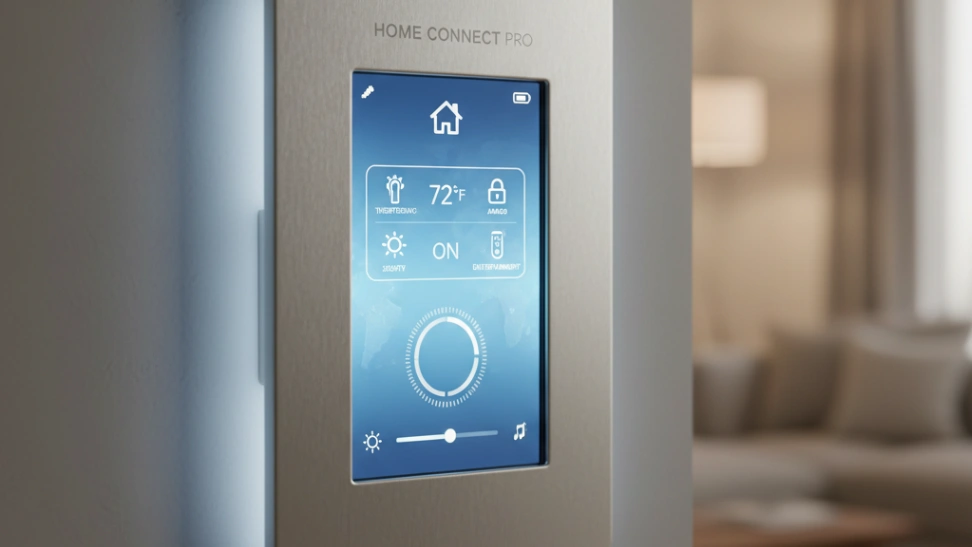
Automate your home with smart devices for convenience and efficiency.

Solve a 3x3 Rubik's Cube as fast as possible.
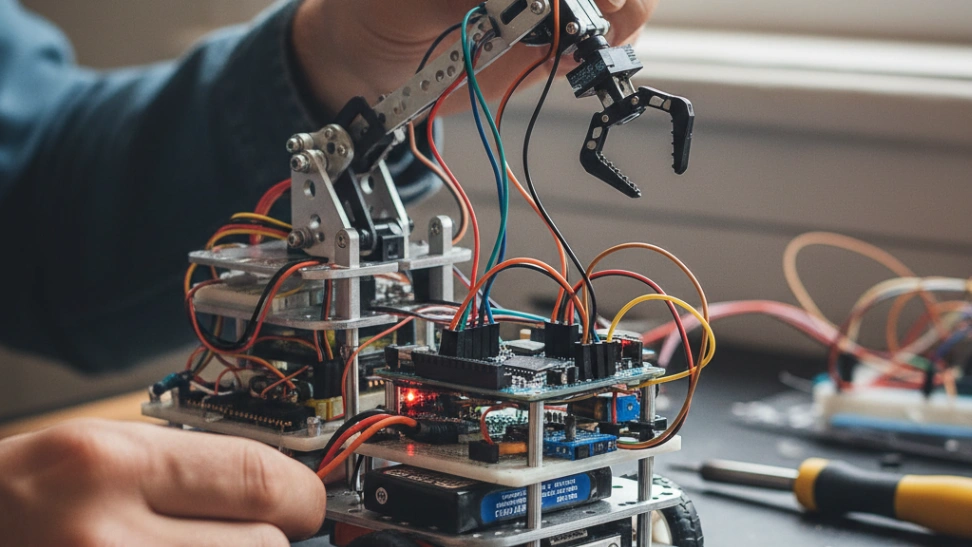
Build and program autonomous machines for fun and learning.

Capture moments and tell stories through striking visual compositions.
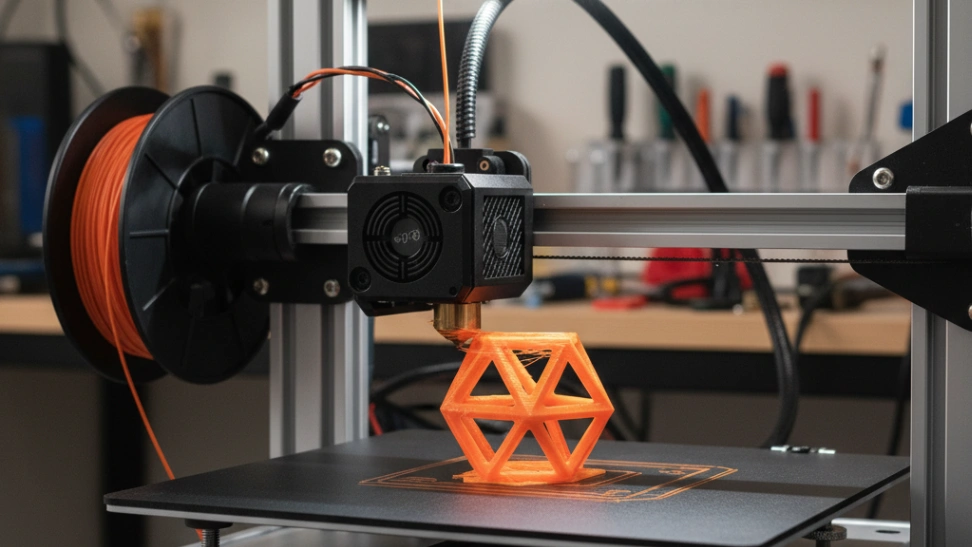
Create physical objects from digital designs using additive manufacturing.

Transmit your voice and data across the globe via radio waves.

Transforming data into understandable visual narratives.

Pilot high-speed drones through challenging obstacle courses.

Uncover hidden messages and secure digital communications by learning.

Master digital defenses by learning to identify and exploit system vulnerabilities legally.

Cultivate plants without soil, using mineral nutrient solutions in water.

Transform materials into intricate designs with precision laser tools.
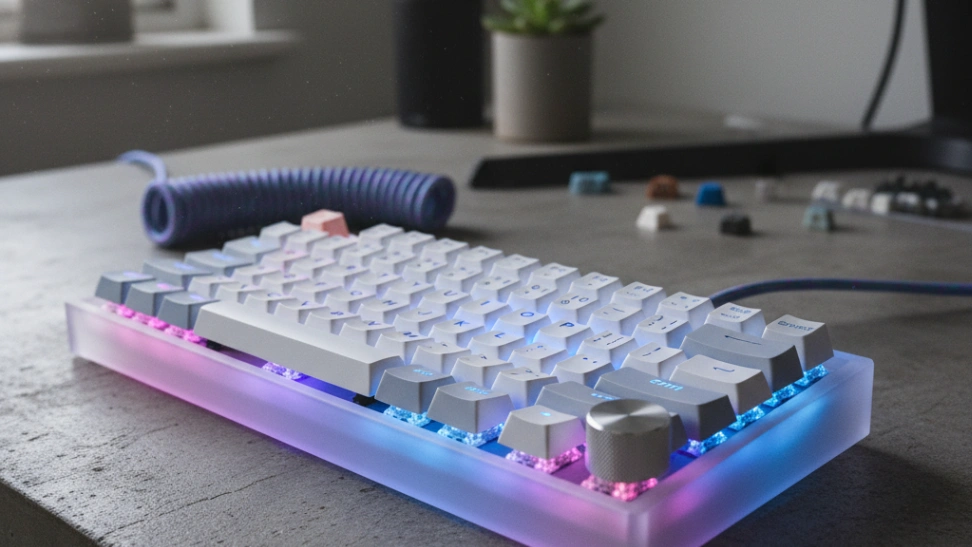
Customize your typing experience with tactile switches and personalized keycaps.

Build intricate miniature worlds with trains, landscapes, and structures.
Step into the cutting-edge world of Technology & Engineering hobbies, a category designed for the modern problem-solver, the digital architect, and the curious tinkerer. This is your playground if you're fascinated by the inner workings of the digital world, from the software that runs on our phones to the hardware that powers our homes. If you've ever searched for "hobbies for programmers," "fun DIY electronics projects," or a "list of engineering hobbies," you've come to the right place. This category is about applying logic, creativity, and technical skill to build, manipulate, and innovate.
This category is for the logical thinker who loves a good puzzle and the lifelong learner who is always asking "how does that work?". It's for the person who sees a repetitive task and immediately thinks about how to automate it. These are often excellent technical hobbies that appeal to those who enjoy structured systems and measurable progress. While many of these pursuits, like coding or 3D modeling, are fantastic solo hobbies, they also have vibrant online communities for collaboration and knowledge sharing, such as open-source projects or robotics clubs, making them great group activities as well.
Our curated list of technology hobbies offers a gateway into a multitude of exciting fields. For the aspiring software developer, we feature programming hobbies like game design, mobile app development, and web development. For the hands-on builder, our list of engineering hobbies includes robotics, drone building, and home automation, where you can merge the digital with the physical. Even if you're not a professional engineer, hobbies like building a custom PC or setting up a home server can teach you invaluable skills. Each hobby page provides a roadmap for beginners, outlining the foundational knowledge required, the best starter projects, and the most helpful online resources.
The world of technology is constantly evolving, making these hobbies a source of endless learning and discovery. Engaging in a tech hobby can sharpen your analytical skills, improve your logical reasoning, and even open doors to new career opportunities. Many of these pursuits can be started with just a computer, making them accessible and budget-friendly. Explore our list of technology and engineering hobbies, find a project that ignites your curiosity, and start building your skills for the future, today.
Q: Do I need to be good at math to learn coding? A: Not necessarily. While math is important for certain fields like data science or game physics, most web and app development relies more on logical reasoning and problem-solving skills than complex mathematics.
Q: What's the difference between an Arduino and a Raspberry Pi? A: An Arduino is a microcontroller, perfect for simple electronics projects like controlling LEDs or reading sensors. A Raspberry Pi is a full-fledged mini-computer that can run an operating system, making it better for more complex projects that require networking, video processing, or significant computing power.
Explore the full catalog, filter by your interests, and find the perfect activity for you.
For the modern builder and problem-solver. Dive into coding, robotics, 3D printing, and electronics to create innovative projects and understand how things work.
Build your own digital creations and solve problems with code.
Automate your home with smart devices for convenience and efficiency.
Solve a 3x3 Rubik's Cube as fast as possible.
Build and program autonomous machines for fun and learning.
Capture moments and tell stories through striking visual compositions.
Create physical objects from digital designs using additive manufacturing.
Transmit your voice and data across the globe via radio waves.
Transforming data into understandable visual narratives.
Pilot high-speed drones through challenging obstacle courses.
Uncover hidden messages and secure digital communications by learning.
Master digital defenses by learning to identify and exploit system vulnerabilities legally.
Cultivate plants without soil, using mineral nutrient solutions in water.
Transform materials into intricate designs with precision laser tools.
Customize your typing experience with tactile switches and personalized keycaps.
Build intricate miniature worlds with trains, landscapes, and structures.
Step into the cutting-edge world of Technology & Engineering hobbies, a category designed for the modern problem-solver, the digital architect, and the curious tinkerer. This is your playground if you're fascinated by the inner workings of the digital world, from the software that runs on our phones to the hardware that powers our homes. If you've ever searched for "hobbies for programmers," "fun DIY electronics projects," or a "list of engineering hobbies," you've come to the right place. This category is about applying logic, creativity, and technical skill to build, manipulate, and innovate.
This category is for the logical thinker who loves a good puzzle and the lifelong learner who is always asking "how does that work?". It's for the person who sees a repetitive task and immediately thinks about how to automate it. These are often excellent technical hobbies that appeal to those who enjoy structured systems and measurable progress. While many of these pursuits, like coding or 3D modeling, are fantastic solo hobbies, they also have vibrant online communities for collaboration and knowledge sharing, such as open-source projects or robotics clubs, making them great group activities as well.
Our curated list of technology hobbies offers a gateway into a multitude of exciting fields. For the aspiring software developer, we feature programming hobbies like game design, mobile app development, and web development. For the hands-on builder, our list of engineering hobbies includes robotics, drone building, and home automation, where you can merge the digital with the physical. Even if you're not a professional engineer, hobbies like building a custom PC or setting up a home server can teach you invaluable skills. Each hobby page provides a roadmap for beginners, outlining the foundational knowledge required, the best starter projects, and the most helpful online resources.
The world of technology is constantly evolving, making these hobbies a source of endless learning and discovery. Engaging in a tech hobby can sharpen your analytical skills, improve your logical reasoning, and even open doors to new career opportunities. Many of these pursuits can be started with just a computer, making them accessible and budget-friendly. Explore our list of technology and engineering hobbies, find a project that ignites your curiosity, and start building your skills for the future, today.
Q: Do I need to be good at math to learn coding? A: Not necessarily. While math is important for certain fields like data science or game physics, most web and app development relies more on logical reasoning and problem-solving skills than complex mathematics.
Q: What's the difference between an Arduino and a Raspberry Pi? A: An Arduino is a microcontroller, perfect for simple electronics projects like controlling LEDs or reading sensors. A Raspberry Pi is a full-fledged mini-computer that can run an operating system, making it better for more complex projects that require networking, video processing, or significant computing power.
Explore the full catalog, filter by your interests, and find the perfect activity for you.