
Photography
Frame the world and keep the moments most people miss.
0 usersCommunity fit
You end up with something digital you can share.
Wondering if Photography is your kind of thing?
See your match — 2-min quizYou'll come home from a shoot with two hundred frames and maybe three that sing, and learning to delete the rest without flinching is half the craft. The magic is real, though: catching the light a second before it's gone, or a gesture no one else noticed.
Gear obsession and editing for hours can quietly eat the joy.
The cure is just walking out and shooting until seeing becomes a habit.
Is this for you?
Honest tradeoffs before you spend money or clear space.
You'll enjoy this if
- Like catching the light a second before it's gone.
- Fine coming home with two hundred frames and keeping just three.
- Enjoy showing others a gesture nobody else noticed.
Not for you if
- Want instant results, not editing for hours to find the keepers.
- Fiddling with manual exposure settings sounds tedious rather than fun.
- Loads of soft, imperfect practice shots would discourage you fast.
Tends to suitThe StorytellerThe Observer
What to expect
Rough shape of the first few months — not a promise, a mental model.
- first session
You come home with two hundred frames, excited — then edit them on a big screen and realize most are soft, poorly framed, or just slightly off in a way you can't articulate. Three are genuinely good. You don't know yet what you did differently on those three.
- first month
Manual mode is clicking: you can set exposure by feel in most conditions and stop chasing it after the shot. You're culling ruthlessly and the keep rate is honest now. You've found one subject — light, or street, or portraits — where your eye is sharpening.
- few months in
You see light before you see the subject — where it's falling, how it's going to change in ten minutes, what it does to the thing you're framing. Post-processing is a creative step now, not just a rescue. You're deleting without flinching, and what you keep is better for it.
What people say
The gear rabbit hole is real and tempting, but honestly the phone in your pocket is enough to learn composition. Your early shots will be flat and you won't always know why, which is part of the process.
Tip: Learn composition and light before buying a camera. They matter ten times more than your kit.
Just started · HobbyStackGets you genuinely looking at the world, light and shadow and little moments. It can get expensive fast if you chase lenses, and editing is a whole second skill nobody warns you about.
Tip: Shoot in manual mode on purpose to learn the exposure triangle. It's frustrating, then it clicks.
A few months in · HobbyStackA reason to go places and pay attention, which I value more than any single photo. The trap is buying gear instead of taking pictures. The best camera really is the one you have with you.
Tip: Pick one lens and use it for a month. Constraints make you more creative, not less.
Years in · HobbyStack
Photography guides
From the blog
- Hobbies for Couples: 15 Activities Worth Doing Together
- Solo Hobbies: 25 Activities You Can Do Completely Alone
- Hobbies for Couples to Do at Home: 15 Activities Worth Sharing
- Hobbies for Seniors and Retirees: 20 Activities Worth Starting
- Best Hobbies for Beginners: Activities Worth Starting From Zero
- Hobbies for Women: 20 Activities Worth Starting at Any Age
- Hobbies for ADHD: 13 Activities That Match How Your Brain Works
- Hobbies for Adults Who've Never Really Had One: 14 Easy On-Ramps
- 17 Hobbies That Actually Make You More Confident
- Hobbies for Introverts: 16 Solo Activities That Actually Recharge You
- Retirement Hobbies: 15 Ways to Fill Your Time With Things Worth Doing
- 20 Impressive Hobbies That Make You More Interesting
- The Ultimate List of Hobbies: 200+ Ideas Sorted by Type
- Productive Hobbies: 14 Activities That Actually Leave You With Something
- Hobbies That Make Money: 10 That Can Actually Pay You Back
- Summer Hobbies: 16 Ways to Make the Most of the Warm Months
- Weekend Hobbies: 16 You Can Start (and Finish) by Sunday
- Winter Hobbies: 20 Activities to Pick Up When It Gets Cold
- How to Find a Hobby You'll Actually Stick With
- Hobbies for ADHD: Activities That Actually Hold Your Attention
Projects to get you started
Real things to make, beginner to advanced. Start with whatever appeals — nothing's locked, no set order.
Beginner
3 projectsIntermediate
3 projectsAdvanced
1 projectThe full kit
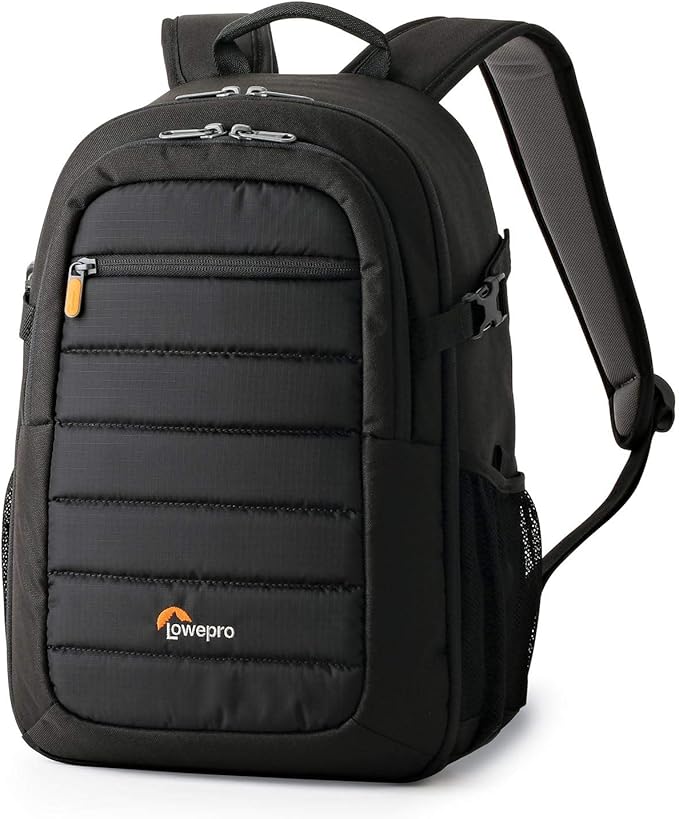
The essentials run about $988 — you don't need it all to start: each project above lists only what it uses, and the first is often free. Links open Amazon (affiliate tag).


Related hobbies
If Photography appeals, these share its shape — same kind of pull, different craft.


Frequently asked questions
How much does it cost to start Photography?
A solid starter setup for Photography runs about $988 based on our curated picks — that covers the essentials without over-buying. Real spend varies by brand, condition (new vs. used), and what you already own. See the Tools & gear tab for the full itemised list with current pricing.
Is Photography hard to learn?
Photography has a genuine learning curve — expect months of regular practice before things feel natural. Early sessions can feel clunky, but that's normal. Most people find the progress itself motivating: there is always a clear next thing to improve. Starting with a structured lesson or class rather than self-teaching makes a meaningful difference in how fast you progress.
What do you actually need to start Photography?
The Tools & gear tab on this profile lists the recommended starter pick per category with prices and direct links. For a first session, focus on the Essential items only — add the Optional upgrades later if you stick with it. Many beginners borrow or rent before buying anything.
Can you do Photography completely on your own?
Yes — Photography is well-suited to solo practice. Most people do it on their own schedule without needing partners, clubs, or group sessions. That makes it easy to fit into a busy week, and your progress is not dependent on others showing up. Community is available if you want it, but it is entirely optional.
Can you try Photography before committing to it?
Strongly recommended. Look for intro classes, club open days, or single-session rentals — most areas have options. Many gear shops let you demo or rent equipment for a day. Starting with a low-commitment first session before buying anything is the standard advice from people already in the hobby: it tells you whether you actually enjoy it, not just whether you think you will.