Photography for Beginners: How to Get Started
A complete guide to taking better photos — understanding light, mastering exposure, choosing your first camera, and developing an eye that no gear can replace.
Photography is the art of seeing before it is the art of shooting. Gear matters far less than most beginners think — the most important upgrade you can make is learning to read light, recognise a moment, and understand why one frame works when the one taken two seconds earlier does not. This guide gives you the foundation to start doing exactly that.
What Photography Actually Involves
Photography is the practice of capturing light on a sensor or film to create an image. That definition sounds mechanical, but the craft is almost entirely about decisions — where to stand, when to press the shutter, how much light to let in, what to include in the frame and what to leave out. The camera executes those decisions. Making them well is what separates a photograph from a snapshot.
The technical side of photography comes down to one central concept: exposure. Every photograph is the result of three variables working together — aperture (how wide the lens opens), shutter speed (how long the sensor is exposed to light), and ISO (how sensitive the sensor is). Understanding how these three interact gives you control over not just brightness, but depth of field, motion blur, and noise. That understanding is the foundation everything else is built on.
The creative side is harder to teach but faster to develop than people expect. Composition, timing, and light reading are trained by shooting often and reviewing honestly. The photographers who improve fastest are not the ones with the best equipment — they are the ones who shoot regularly, look critically at their own work, and study the images that move them.
Genres of Photography to Explore
[object Object],[object Object],[object Object],[object Object],[object Object]
Spend your first month shooting one subject exclusively. It forces you to exhaust the obvious approaches and find something more interesting. A single park, your neighbourhood, your own home — the constraint is the point. Photographers who jump between subjects before developing depth rarely develop an eye as quickly as those who commit to knowing one subject thoroughly.
Gear You Will Need
The camera industry is skilled at convincing beginners that gear determines quality. It does not. A skilled photographer with a ten-year-old entry-level camera will consistently outshoot a beginner with a professional body. That said, the right basic kit matters. Here is an honest breakdown:
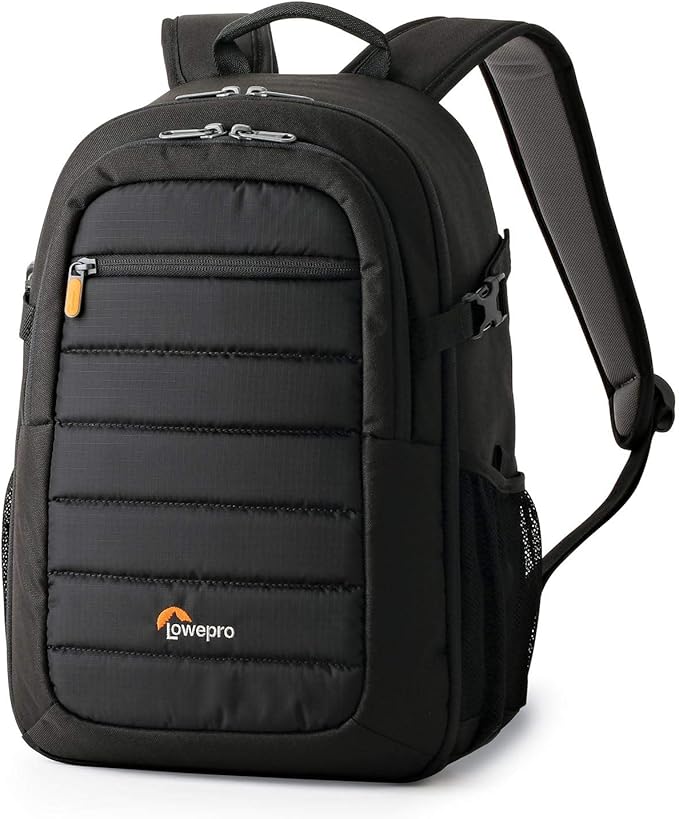
The non-negotiables — you need these before your first session. No upsell here, just what actually matters to get started safely.
Interchangeable Lenses



Worth it once you're committed. These items meaningfully improve your experience and are often bought within the first few months.


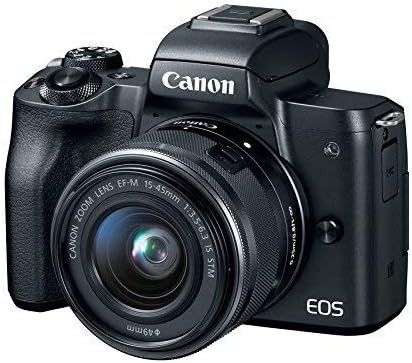
A used Sony a6000, Fujifilm X-T20, Canon M50, or Nikon Z30 paired with a kit lens is a capable starting point for under $400. The 50mm f/1.8 is the single most recommended first upgrade across almost every system — it is fast, sharp, cheap, and teaches you to work with a fixed focal length, which forces compositional decisions that zooms allow you to avoid.
The exposure triangle is the technical foundation of all of this. Here is how the three variables interact in practice:
| Setting | What It Controls | Wider / Higher Means | Narrower / Lower Means |
|---|---|---|---|
| Aperture (f-stop) | How wide the lens opens | More light, shallower depth of field (f/1.8) | Less light, more of the scene in focus (f/11) |
| Shutter Speed | How long the sensor is exposed | More light, motion blur (1/30s) | Less light, frozen motion (1/1000s) |
| ISO | Sensor sensitivity to light | Brighter image, more digital noise (ISO 3200) | Cleaner image, needs more light (ISO 100) |
Interactive Buyer's Guide
Compare all tiers, track what you own, see your full budget.
How to Get Started Step by Step
Shoot in Aperture Priority mode first
Set your aperture and let the camera handle shutter speed. This lets you control depth of field while learning to read the light, without managing all three exposure variables at once.
Learn the exposure triangle before anything else
Aperture, shutter speed, and ISO are not independent settings. Each one affects the others. Understanding the tradeoffs between them is the single most useful technical knowledge in photography.
Shoot RAW from the start
RAW files preserve all the data the sensor captures. JPEGs discard most of it. RAW gives you latitude to fix exposure, white balance, and colour in post-processing that a JPEG simply does not have.
Chase good light, not good locations
The same street looks ordinary at noon and extraordinary at golden hour. Learning to recognise and plan around good light improves images faster than any change in subject or equipment.
Review your own work critically
After each shoot, go through every frame and ask why it works or does not work. Delete the weak ones. Keeping every shot you take prevents you from developing the discrimination that separates good photographers from mediocre ones.
Study photographers you admire deliberately
Find one photographer whose work consistently moves you and spend time understanding how they work — their light, their framing, their timing. Imitation is not plagiarism in photography. It is how visual language is learned.
What to Expect From Your First Shoots
Here's what typically happens when you start — and why it's useful information, not failure.
Most shots will be slightly off in some way. Exposure, focus, or framing will miss by a small margin. This is normal. The gap between what you saw and what the camera captured closes through repetition, not through buying better equipment.
Auto-focus will hunt in low light. Every camera struggles to lock focus when there is not enough contrast or light for the sensor to work with. Learning to use focus-assist, manual focus, or brighter light sources solves this faster than assuming the camera is broken.
Colour will feel wrong indoors. Mixed artificial light creates a colour cast that the camera's auto white balance handles imperfectly. Shooting RAW and correcting white balance in post is the simplest fix. Setting a custom white balance for the light source you are working under is the more thorough one.
The keeper rate will be low. Even experienced photographers expect to select five to ten strong images from a hundred frames shot. A low keeper rate is not failure. Shooting more frames to find the good ones is standard practice, not a sign that you are doing something wrong.
One frame will stop you. In almost every shoot, there is one image that looks genuinely good. That single frame, arriving unexpectedly, is usually what hooks people on the hobby for years.
Beginner Tips That Actually Help
Move your feet before you touch the zoom
The instinct when something is not fitting in the frame is to zoom out. The better instinct is to move. Walking closer or changing your angle shifts perspective in ways that zooming in or out cannot replicate. Photographers who shoot at a fixed focal length for a period of time develop this habit quickly, and the compositional thinking it produces stays even when they return to a zoom.
Expose for the highlights
In a RAW file, blown highlights — areas so bright they contain no detail at all — cannot be recovered in post-processing. Underexposed shadows almost always can. When in doubt, expose slightly darker than the meter suggests and recover the shadows in editing. This produces cleaner results than the reverse.
Use a single fixed focal length for a month
Tape your zoom to 35mm, or shoot only with a prime. The constraint forces you to solve compositional problems with your feet and your timing rather than the lens. Most photographers who have done this describe it as the single most useful thing they did in their first year.
Learn one editing tool properly before trying others
Lightroom, Capture One, and Darktable all do roughly the same thing. Jumping between them looking for the one that produces better results is less useful than learning any one of them deeply enough to make it do what you want. The edit is a creative act, not a technical correction, and that understanding only comes from sustained use of a single tool.
Print something
Viewing images on a screen and viewing them printed are categorically different experiences. A print forces you to commit to a finished version and reveals qualities in an image — or weaknesses — that a backlit screen conceals. Even a single A4 print from a local print shop will change how you think about what a finished photograph is.
Study the work of one photographer seriously
Not casually on Instagram — seriously, in a book or a gallery. Photographers worth spending time with include Saul Leiter for colour and abstraction, Vivian Maier for street instinct, Sebastiao Salgado for light and scale, and Fan Ho for geometry and atmosphere. Understanding how one photographer's vision was constructed teaches more than following five hundred photographers casually.
Common Questions Answered
- Can you learn photography on a smartphone?
Yes, and many serious photographers do exactly that. Modern smartphone cameras are technically excellent, and the best smartphone camera is the one you have with you. The limitations — fixed focal length, small sensor in low light, no interchangeable lenses — only matter once you have outgrown what it can do. The compositional and light-reading skills you develop on a phone transfer directly to a camera when the time comes.
- When should a beginner switch to full manual mode?
When you understand why you are making each setting choice, not just that a certain combination produces a correct exposure. Shooting in Aperture Priority and Shutter Priority first is not a crutch — it is how most working photographers shoot the majority of the time. Manual mode is most useful in controlled environments like studio work, where the light does not change and you want to lock everything in place.
- Mirrorless or DSLR for a beginner?
Either works. Mirrorless cameras are lighter and have better video capabilities, and the used market for them is now deep enough that they are genuinely affordable. DSLRs have larger battery life, often more ergonomic grips, and an even deeper second-hand market. The more meaningful question is which lens system you want to invest in, since lenses retain value and accumulate over time in a way that camera bodies do not.
- Is post-processing cheating?
No. Editing has been part of photography since the darkroom. Ansel Adams spent as much time developing and printing his negatives as he did shooting them. The edit is a creative step, not a correction for bad photography. That said, heavy manipulation that misrepresents reality — in documentary or photojournalism contexts specifically — is a genuine ethical issue. In creative photography, the only question is whether the result reflects what you intended.
- How long before photos start looking consistently good?
Most people find their images improve noticeably within three to six months of shooting regularly and reviewing their work critically. The technical side — clean exposure, sharp focus, correct white balance — comes first and comes quickly. The creative side — composition, timing, a personal point of view — develops more slowly and continues developing for as long as you shoot.
- What is the most common mistake beginners make?
Buying more gear before developing skill. A second lens, a better body, or a new bag will not fix compositional problems or an inability to read light. The photographers who improve fastest are the ones who constrain their gear and expand their shooting. One camera, one lens, and a commitment to shooting regularly will outperform a full kit used occasionally every time.