
Drone Racing
Ideal for those who naturally thrive in environments demanding quick, precise movements..
0 usersCommunity fit
You end up with a performance to share.Weather-dependentTeens and up
Wondering if Drone Racing is your kind of thing?
See your match — 2-min quizGoggles on, the world narrows to a feed rushing through gates inches from disaster, and your hands react before your brain catches up.
The thrill is real and so is the carnage: early flights end in spectacular crashes, and you'll spend as much time soldering broken arms and re-flashing firmware as actually flying.
Building and fixing the quad is half the hobby, whether you wanted it to be or not.
Is this for you?
Honest tradeoffs before you spend money or clear space.
You'll enjoy this if
- The goggle-feed rush through gates inches from disaster is exactly your speed.
- You'd happily solder broken arms and reflash firmware between flights.
- Quick, precise reactions where your hands move before your brain are your strength.
Not for you if
- Your first drone arriving home as broken carbon and loose wires would gut you.
- Don't want half the hobby to be building and fixing the quad.
- Spectacular early crashes every few seconds would wear your patience thin.
Tends to suitThe MakerThe Builder
What to expect
Rough shape of the first few months — not a promise, a mental model.
- first session
Your first flight in first-person view lasts about eight seconds before you auger the quad into the ground at speed. The video feed in your goggles is disorienting, your thumbs overcorrect everything, and your first drone arrives home in a bag of broken carbon and loose wires.
- first month
You're soldering broken arms and reflashing firmware as often as you're flying, which means you're learning the quad as a machine rather than just a toy. Laps around a basic gate setup now happen without constant crashing, and the goggles finally feel like a window rather than a dizzy screen.
- few months in
Gate entries start to feel smooth rather than desperate, and you're flowing through a course instead of surviving it. You've tuned your rates enough to know your own style, and the split-second reaction in the goggles becomes reflexive. Crashing still happens constantly — it just bothers you less and costs you less time to fix.
What people say
My first flight in the goggles lasted about eight seconds before I planted the quad into the ground at speed and it came home in a bag of broken carbon. The feed is disorienting and your thumbs overcorrect everything. Building and fixing the thing turns out to be half the hobby whether you wanted that or not.
Tip: Fly a simulator on a cheap controller for a few weeks before you risk a real quad. It saves you a fortune in broken arms.
Just started · HobbyStackRealistically you'll spend as much time soldering and reflashing firmware as flying, especially early. The flip side is you actually learn the machine instead of treating it as a toy. Budget for spare parts as a running cost, not a one-off.
Tip: Learn to solder properly before you need to. A clean motor wire repair in the field is the difference between flying and going home.
A few months in · HobbyStackGate entries that used to be desperate now feel smooth, and flowing a whole course instead of surviving it is the actual thrill. Crashing never stops, you just get fast enough at fixing that it barely costs you a session. Tuning your own rates to your style is when it really becomes yours.
Tip: Keep a soldering kit, spare props and a charged battery in your field bag at all times. Downtime kills the fun fastest.
Years in · HobbyStack
Projects to get you started
Real things to make, beginner to advanced. Start with whatever appeals — nothing's locked, no set order.
Beginner
2 projectsIntermediate
2 projectsAdvanced
1 projectThe full kit
The essentials run about $457 — you don't need it all to start: each project above lists only what it uses, and the first is often free. Links open Amazon (affiliate tag).

Soldering Iron
Soldering Iron Kit 80W LCD Digital
~$23Buy
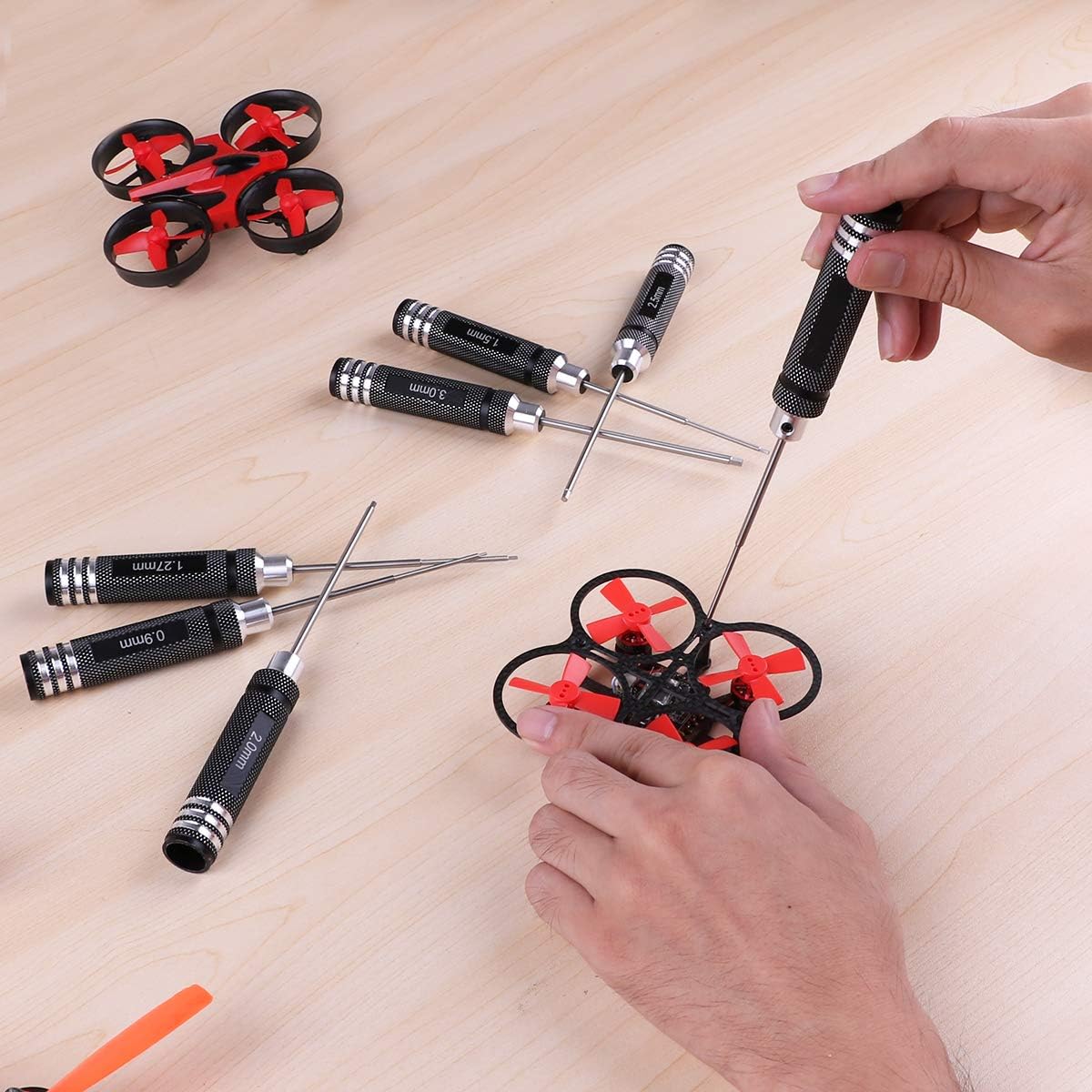
Hex Driver Set
RC Hex Driver Set
~$21Buy

Wire Stripper/Cutter
Haisstronica Self-Adjusting Wire Stripper 3-in-1
~$16Buy

Multimeter
KAIWEETS Smart Multimeter
~$55Buy

Zip Ties
ANOSON Assorted Sizes Zip Ties (400 Pack)
~$7Buy

FPV Goggles
Eachine EV800D FPV Goggles
~$117Buy

LiPo Battery Charger
C6X2 Dual LiPo Battery Charger DC 240W 10A,Smart Balance Charger
~$67Buy
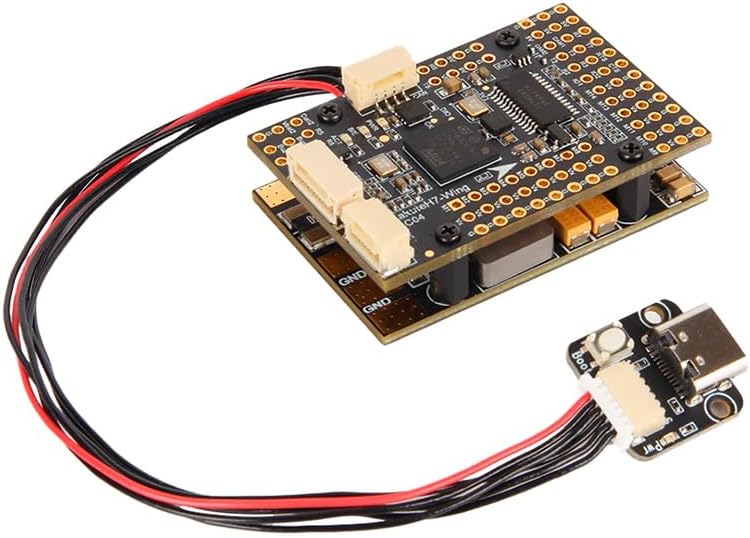
Flight Controller Tuning Software
HolyBro Kakute H743 Wing INAV Ardupilot Flight Controller
~$150Buy
Related hobbies
If Drone Racing appeals, these share its shape — same kind of pull, different craft.


Frequently asked questions
How much does it cost to start Drone Racing?
A solid starter setup for Drone Racing runs about $457 based on our curated picks — that covers the essentials without over-buying. Real spend varies by brand, condition (new vs. used), and what you already own. See the Tools & gear tab for the full itemised list with current pricing.
Is Drone Racing hard to learn?
Drone Racing has a genuine learning curve — expect months of regular practice before things feel natural. Early sessions can feel clunky, but that's normal. Most people find the progress itself motivating: there is always a clear next thing to improve. Starting with a structured lesson or class rather than self-teaching makes a meaningful difference in how fast you progress.
What do you actually need to start Drone Racing?
The Tools & gear tab on this profile lists the recommended starter pick per category with prices and direct links. For a first session, focus on the Essential items only — add the Optional upgrades later if you stick with it. Many beginners borrow or rent before buying anything.
Do you need to join a club or group to do Drone Racing?
Drone Racing is a naturally social activity — clubs and group sessions are where most people make real progress, not solo practice alone. You do not need a membership from day one: a beginner class or drop-in session is the right starting point. It introduces you to the community without a long-term commitment and lets you figure out whether the social side appeals before signing up for anything.
Can you try Drone Racing before committing to it?
Strongly recommended. Look for intro classes, club open days, or single-session rentals — most areas have options. Many gear shops let you demo or rent equipment for a day. Starting with a low-commitment first session before buying anything is the standard advice from people already in the hobby: it tells you whether you actually enjoy it, not just whether you think you will.