
Homebrewing
Ideal for those who like following detailed instructions to the letter..
0 usersCommunity fit
You end up with a memory worth keeping.
Wondering if Homebrewing is your kind of thing?
See your match — 2-min quizBrew day is a long, sticky afternoon of hauling hot wort, scrubbing kettles, and obsessing over sanitation, because one overlooked speck can sour the whole batch.
Then comes the hardest part — waiting weeks while it ferments and you have no idea yet if it worked.
Pouring a pint that's clear, carbonated, and genuinely good, that you made from grain and water, is a specific pride no store-bought six-pack ever gives you.
Is this for you?
Honest tradeoffs before you spend money or clear space.
You'll enjoy this if
- Pouring a clear, carbonated pint you made from grain and water is real pride for you.
- Like following a process to the letter, sanitation included.
- Don't mind weeks of waiting on the airlock to learn if it worked.
Not for you if
- A six-hour sticky brew day of hauling hot wort and scrubbing kettles would put you off.
- One overlooked speck souring the whole batch would discourage you.
- Want the payoff now, not after weeks of fermenting in the dark.
Tends to suitThe Cultivator
What to expect
Rough shape of the first few months — not a promise, a mental model.
- first session
Brew day takes six hours. You sanitize everything twice, wrestle a pot of hot wort that sloshes dangerously, and finally seal the fermenter. Then you watch airlock bubbles for a week and have absolutely no idea yet if you made beer or drain cleaner.
- first month
Your first pint pours clear with actual carbonation and tastes recognizably like the style you were chasing — maybe a little thin, maybe a touch too bitter, but genuinely drinkable beer you made from grain and water. You've already planned the next batch.
- few months in
You're adjusting water chemistry with gypsum and calcium chloride, tasting gravity samples to track fermentation, and dry-hopping IPAs with experimental varieties. The equipment list keeps growing and the garage smells faintly of yeast, which you've decided is fine.
What people say
Brew day was a six-hour sticky afternoon of hauling hot wort and scrubbing kettles, and then I sealed the fermenter and had absolutely no idea for a week whether I'd made beer or drain cleaner. When the first pint poured clear and carbonated and actually tasted like the style, I was stupidly proud.
Tip: Obsess over sanitation above everything. One overlooked speck can sour a whole batch, and it's the single most common way beginners ruin a brew.
Just started · HobbyStackThe hardest part is genuinely the waiting: weeks of fermentation where you can do nothing but watch an airlock and second-guess yourself. It's a hobby for people who like following a process to the letter. Patience and cleanliness matter more than any fancy ingredient.
Tip: Buy a cheap hydrometer and actually take gravity readings. It's the only way to know fermentation is done rather than guessing and bottling early.
A few months in · HobbyStackThe equipment list never stops growing and the garage permanently smells faintly of yeast, which you eventually decide is fine. You end up adjusting water chemistry and dry-hopping with experimental varieties. The pride of pouring something you made from grain and water never gets old.
Tip: Brew the same recipe a few times before chasing new ones. Controlling your variables is how you actually learn what each change does.
Years in · HobbyStack
Homebrewing guides
Projects to get you started
Real things to make, beginner to advanced. Start with whatever appeals — nothing's locked, no set order.
Beginner
2 projectsIntermediate
2 projectsAdvanced
1 projectThe full kit
The essentials run about $645 — you don't need it all to start: each project above lists only what it uses, and the first is often free. Links open Amazon (affiliate tag).
Beer Starter Kit
Northern Brewer Brew. Share. Enjoy. Starter Kit
~$150Buy
Fermenter
FerMonster 6 Gallon PET Carboy with Spigot
~$50Buy

Auto-Siphon
Regular 5/16 Auto-Siphon 24 Inch with Tubing
~$20Buy
Hydrometer and Test Jar
Tilt Hydrometer Wireless Bluetooth
~$145Buy

Bottling Wand
Fermtech ProFiller Bottling Wand
~$12Buy

Thermometer
TempPro TP509 Candy Thermometer with Pot Clip
~$19Buy
Brew Kettle
Bayou Classic 1064 Stainless 10-Gallon Stockpot
~$130Buy
Sanitizer
Five Star Star San 32 oz
~$25Buy
Beer Bottles
North Mountain Supply Amber Beer Bottles 12oz (Case of 24)
~$39Buy
Bottle Capper
Fastrack Red Baron Bottle Capper
~$30Buy
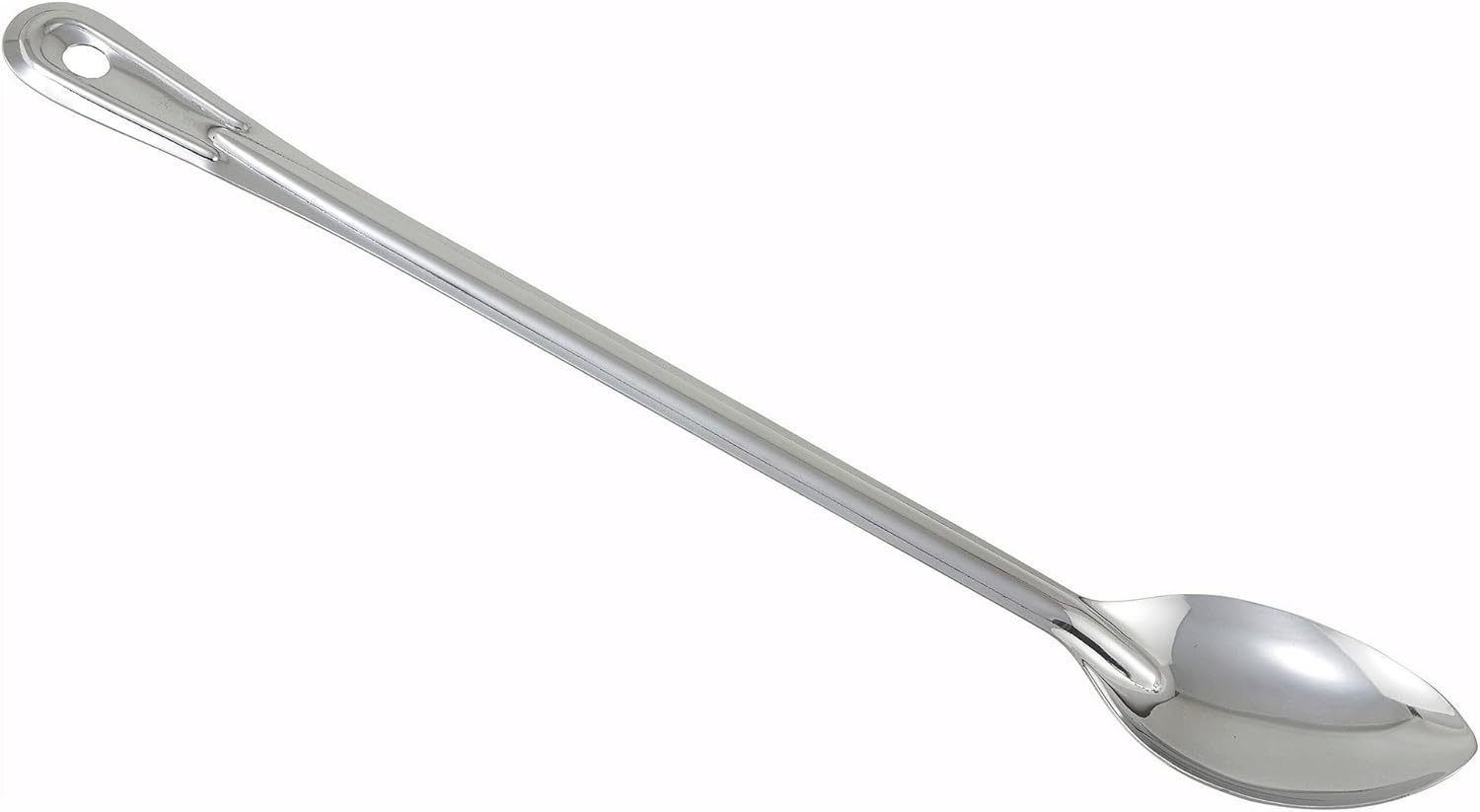
Stirring Spoon
Winco Stainless Steel Mixing Spoon 21 Inch
~$14Buy

Cleaning Brush
Holikme Bottle Brush Tube Cleaning Lab
~$11Buy
Related hobbies
If Homebrewing appeals, these share its shape — same kind of pull, different craft.


Frequently asked questions
How much does it cost to start Homebrewing?
A solid starter setup for Homebrewing runs about $645 based on our curated picks — that covers the essentials without over-buying. Real spend varies by brand, condition (new vs. used), and what you already own. See the Tools & gear tab for the full itemised list with current pricing.
Is Homebrewing hard to learn?
Homebrewing has a genuine learning curve — expect months of regular practice before things feel natural. Early sessions can feel clunky, but that's normal. Most people find the progress itself motivating: there is always a clear next thing to improve. Starting with a structured lesson or class rather than self-teaching makes a meaningful difference in how fast you progress.
What do you actually need to start Homebrewing?
The Tools & gear tab on this profile lists the recommended starter pick per category with prices and direct links. For a first session, focus on the Essential items only — add the Optional upgrades later if you stick with it. Many beginners borrow or rent before buying anything.
Can you do Homebrewing completely on your own?
Yes — Homebrewing is well-suited to solo practice. Most people do it on their own schedule without needing partners, clubs, or group sessions. That makes it easy to fit into a busy week, and your progress is not dependent on others showing up. Community is available if you want it, but it is entirely optional.
Can you try Homebrewing before committing to it?
Strongly recommended. Look for intro classes, club open days, or single-session rentals — most areas have options. Many gear shops let you demo or rent equipment for a day. Starting with a low-commitment first session before buying anything is the standard advice from people already in the hobby: it tells you whether you actually enjoy it, not just whether you think you will.