
Aquarium Keeping
Ideal for those who find satisfaction in carefully maintaining a living system..
0 usersCommunity fit
You end up with a memory worth keeping.
Wondering if Aquarium Keeping is your kind of thing?
See your match — 2-min quizIt looks like a calm glass box but it's really a small ecosystem you're constantly nudging toward balance — testing water, chasing ammonia spikes, and learning that patience is the whole game.
New keepers usually lose a few fish to a tank that cycled too fast, which stings.
Once it stabilizes, though, there's a real daily peace in feeding them and watching a little underwater world you keep alive glow on the shelf.
Is this for you?
Honest tradeoffs before you spend money or clear space.
You'll enjoy this if
- Watching a balanced little underwater world glow on the shelf settles you.
- Enjoy reading test numbers (ammonia, nitrite, pH) like a daily pulse.
- A calm five-minute feeding ritual is your kind of routine.
Not for you if
- Losing a few fish to a tank that cycled too fast would gut you.
- Want results now, not weeks of patiently waiting out the nitrogen cycle.
- Weekly water testing and partial changes sound like a chore you'd skip.
Tends to suitThe Cultivator
What to expect
Rough shape of the first few months — not a promise, a mental model.
- first session
You'll set up the tank, add water, and probably add fish too soon — before the nitrogen cycle completes — and a few will die within a week. That stings, but it's the lesson every new keeper learns the hard way.
- first month
You stop guessing and start testing: ammonia, nitrite, nitrate, pH. The numbers tell you what the fish can't, and once the cycle stabilises you start reading your tank's rhythms instead of panicking at every unusual behaviour.
- few months in
The tank hums at balance — water clear, livestock settled — and the daily five-minute feeding becomes something you genuinely look forward to. You're already eyeing a species upgrade or a planted section, because the calm glass box has quietly become a small living system you're proud to keep.
What people say
Nobody really drills it into you that you're supposed to run the tank empty for weeks before any fish go in. I added them on day three, lost two neons to an ammonia spike, and felt awful. Once it cycled properly though, the morning feed became the calmest five minutes of my day.
Tip: Buy a liquid test kit, not the dip strips. The strips lie and you need real ammonia and nitrite numbers while the tank is cycling.
Just started · HobbyStackIt is less a pet and more a small chemistry project that happens to have fish in it. Most of the actual work is testing water and topping up evaporation, not the scenic stuff you imagine. The upside is that once it stabilises it mostly runs itself.
Tip: Do a 20 percent water change every week on a fixed day. A regular small change prevents almost every problem people post about in panic.
A few months in · HobbyStackTwo things they don't warn you about. One tank becomes three because you find an excuse, and you will spend more on lighting and filtration than on the fish. But a planted tank that has found its balance is genuinely one of the most relaxing things to own.
Tip: Resist stocking fast. An understocked tank is forgiving, and an overstocked one punishes every mistake you make.
Years in · HobbyStack
Aquarium Keeping guides
Projects to get you started
Real things to make, beginner to advanced. Start with whatever appeals — nothing's locked, no set order.
Beginner
2 projectsIntermediate
2 projectsAdvanced
1 projectThe full kit
The essentials run about $362 — you don't need it all to start: each project above lists only what it uses, and the first is often free. Links open Amazon (affiliate tag).

Aquarium Starter Kit
Aqueon 20-Gallon SmartClean Aquarium Kit
~$188Buy
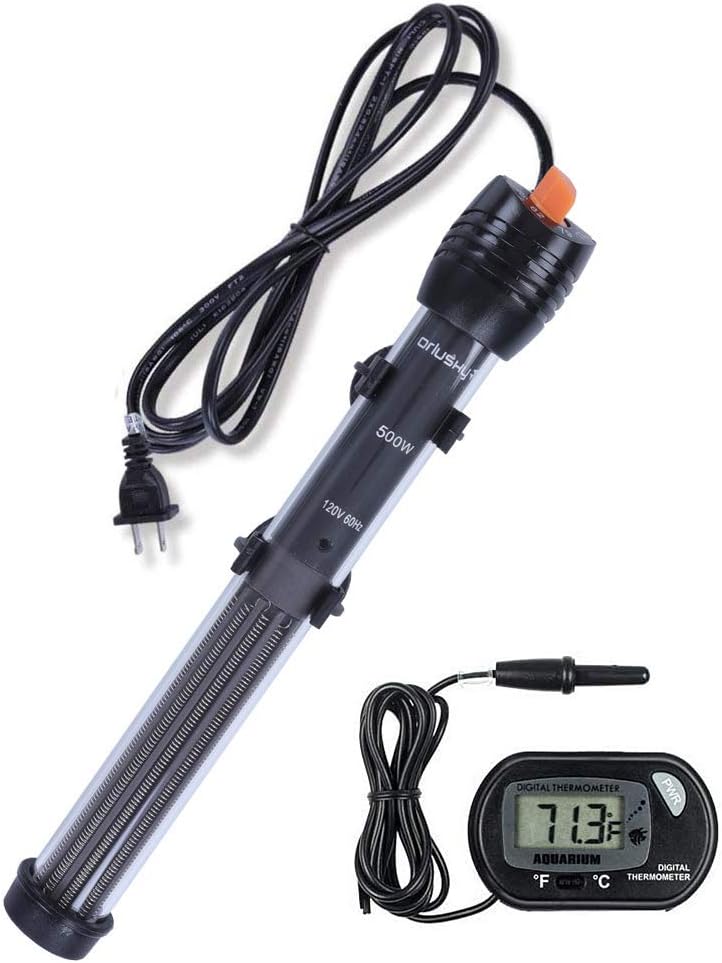
Aquarium Heater
Orlushy Submersible Aquarium Heater 300W
~$22Buy

Aquarium Filter
Tetra Whisper IQ Power Filter 20 Gallons
~$23Buy

Aquarium Thermometer
QZQ Wireless Touch Stick Digital Aquarium Thermometer
~$7Buy

Aquarium Water Test Kit
API Freshwater Master Test Kit
~$36Buy

Aquarium Gravel Vacuum
Python No Spill Clean and Fill Aquarium Maintenance System
~$81Buy

Aquarium Net
Aqueon Aquarium Fish Net 5 Inch
~$5Buy
Related hobbies
If Aquarium Keeping appeals, these share its shape — same kind of pull, different craft.


Frequently asked questions
How much does it cost to start Aquarium Keeping?
A solid starter setup for Aquarium Keeping runs about $362 based on our curated picks — that covers the essentials without over-buying. Real spend varies by brand, condition (new vs. used), and what you already own. See the Tools & gear tab for the full itemised list with current pricing.
Is Aquarium Keeping hard to learn?
Aquarium Keeping has a genuine learning curve — expect months of regular practice before things feel natural. Early sessions can feel clunky, but that's normal. Most people find the progress itself motivating: there is always a clear next thing to improve. Starting with a structured lesson or class rather than self-teaching makes a meaningful difference in how fast you progress.
What do you actually need to start Aquarium Keeping?
The Tools & gear tab on this profile lists the recommended starter pick per category with prices and direct links. For a first session, focus on the Essential items only — add the Optional upgrades later if you stick with it. Many beginners borrow or rent before buying anything.
Can you do Aquarium Keeping completely on your own?
Yes — Aquarium Keeping is well-suited to solo practice. Most people do it on their own schedule without needing partners, clubs, or group sessions. That makes it easy to fit into a busy week, and your progress is not dependent on others showing up. Community is available if you want it, but it is entirely optional.
Can you try Aquarium Keeping before committing to it?
Strongly recommended. Look for intro classes, club open days, or single-session rentals — most areas have options. Many gear shops let you demo or rent equipment for a day. Starting with a low-commitment first session before buying anything is the standard advice from people already in the hobby: it tells you whether you actually enjoy it, not just whether you think you will.