
Bonsai
Ideal for those who enjoy seeing slow, gradual changes over time.
0 usersCommunity fit
You end up with something you can hold.
Wondering if Bonsai is your kind of thing?
See your match — 2-min quizBonsai runs on a timescale that humbles you — you make one cut and then wait a season to see if you were right.
Some of your first trees will die from overwatering, a missed pruning, or a winter you misjudged, and that stings after months of care.
But standing in front of a tree you've shaped for years, reading exactly where it wants to grow next, is a quiet kind of mastery that's hard to find elsewhere.
Is this for you?
Honest tradeoffs before you spend money or clear space.
You'll enjoy this if
- Make one cut and happily wait a whole season to see it.
- Shaping a single tree across years sounds like quiet mastery, not tedium.
- Reading where a tree wants to grow next genuinely interests you.
Not for you if
- Losing a tree to overwatering after months of care would wreck you.
- Want visible progress now, not on a timescale of seasons.
- Watching the same juniper barely change for weeks would bore you flat.
Tends to suitThe CultivatorThe Grounded
What to expect
Rough shape of the first few months — not a promise, a mental model.
- first session
You repot a nursery stock juniper, wire a branch that promptly snaps off, and realise the tree looks about the same as when you started. Bonsai doesn't reward a single afternoon — it just quietly shows you how much patience you don't have yet.
- first month
You stop touching the tree so much. Overwatering kills more beginners' trees than anything else, and learning to read when the soil actually needs water — not just when you're anxious — is the first real skill. By the end of the month you understand your tree's watering rhythm and it's still alive, which counts.
- few months in
One deliberate pruning cut changes the whole silhouette and you finally see what practitioners mean about 'reading' a tree. You're thinking in seasons now — back-budding, repotting windows, dormancy — and a tree you've kept alive for four months feels genuinely yours in a way a plant you just bought never does.
What people say
I wired a branch on my first juniper and it snapped clean off, and the tree honestly looked the same as when I started. This is not an afternoon hobby, you make one cut and then wait a whole season to find out if you were right.
Tip: Start with cheap nursery stock, not a pricey pre-bonsai. You will make beginner mistakes and you want to make them on a ten dollar tree.
Just started · HobbyStackThe thing that kills most beginner trees is overwatering, not neglect, and learning to water when the soil needs it rather than when I felt anxious was the actual first skill. A month in mine was still alive, which genuinely counts as a win here.
Tip: Stick a finger or a wooden skewer into the soil before you water. If it comes out damp, walk away.
A few months in · HobbyStackYou start thinking in seasons, back-budding, repotting windows, dormancy, and a few of your first trees will still die from a winter you misjudged. Standing in front of one you have shaped for years and reading where it wants to go next is a quiet thing nothing else gives me.
Tip: Keep a simple log of when you watered, fed, and pruned each tree. Memory lies, and patterns over a year tell you what the tree actually wants.
Years in · HobbyStack
Bonsai guides
Gardening for Beginners: How to Start a Kitchen Garden from Scratch
Gardening works in almost any space — a few containers on a balcony or a single raised bed can produce food all season. This guide covers the easiest crops to start with, what soil and tools actually matter, and how to water correctly.
Bonsai for Beginners: How to Grow and Style Your First Tree
Bonsai is the art of cultivating miniature trees through careful pruning, wiring, and care. This guide gives you a clear, practical path from choosing your first tree to developing a long-term practice.
Why Is My Bonsai Dying? How to Diagnose and Save Your Tree
Most bonsai do not die from disease or pests — they die from a small number of fixable mistakes. This guide walks through every common cause of bonsai decline and exactly what to do about each one.
Gear guides
Best Beginner Bonsai Concave Cutter 2026: Stainless, Forged Alloy & KAKURI Made-in-Japan
The concave cutter is the tool that makes bonsai look like bonsai — it removes a branch with a hollow bite so the wound heals flush with the trunk instead of leaving a stub. Here are three beginner-friendly picks you can actually buy on Amazon, from an $18 stainless cutter to learn on to a Made-in-Japan KAKURI, plus when you actually need one.
Best Beginner Bonsai Shears 2026: Brussel's, Wazakura & Yasugi-Steel Picks
Bonsai pruning shears are the most-used tool in the hobby — you'll reach for them every time you touch a tree — so they're the one worth getting right first. Here are three genuinely good beginner picks you can actually buy on Amazon: a ~$20 pair from a trusted US nursery to learn on, a Made-in-Japan everyday pair, and a buy-it-once Yasugi-steel tool — plus how to choose the size and steel.
Best Beginner Bonsai Wire 2026: Aluminium Sets vs Wazakura Made-in-Japan Copper
Bonsai wire is how you actually shape a tree — you coil it around a branch, bend the branch where you want it, and the wire holds the new position until the wood sets. The one real decision is aluminium vs copper. Here are three picks you can buy on Amazon — two aluminium sets and a Made-in-Japan copper — and which to buy first.
Best Beginner Bonsai Wire Cutters 2026: Tinyroots vs KAKURI (Made in Japan)
Bonsai wire cutters do one job ordinary cutters can't — their narrow head snips training wire flush against a branch without nicking the bark. Here are three picks you can actually buy on Amazon, from a budget alloy cutter to a Made-in-Japan KAKURI, plus why you always cut wire off rather than unwind it.
From the blog
- Hobbies for Seniors and Retirees: 20 Activities Worth Starting
- Dopamine Hobbies: 15 That Reset Your Brain (Without a Screen)
- Hobbies for Introverts: 16 Solo Activities That Actually Recharge You
- Retirement Hobbies: 15 Ways to Fill Your Time With Things Worth Doing
- Indoor Hobbies for Adults: 18 Things to Do When You're Stuck Inside
- What Hobby Should I Try? A Practical Framework for Finding the Right Fit
Projects to get you started
Real things to make, beginner to advanced. Start with whatever appeals — nothing's locked, no set order.
Beginner
2 projectsIntermediate
2 projectsAdvanced
1 projectThe full kit
The essentials run about $253 — you don't need it all to start: each project above lists only what it uses, and the first is often free. Links open Amazon (affiliate tag).
Bonsai Pot
Tinyroots Glazed Ceramic Bonsai Pot 8 inch
~$35Buy

Wire Cutters
Tinyroots Bonsai Wire Cutters (Carbon Steel, 210mm)
~$25Buy

Concave Branch Cutter
GLOGLOW Forged Manganese-Alloy Concave Cutter 205mm
~$30Buy
Bonsai Starter Kit
Eastern Leaf Bonsai Starter Tool Set
~$75Buy
Bonsai Soil
American Bonsai Akadama / Pumice / Lava Mix
~$35Buy

Bonsai Pruning Shears
Hanafubuki Wazakura Bonsai Scissors (Made in Japan, 180mm)
~$35Buy
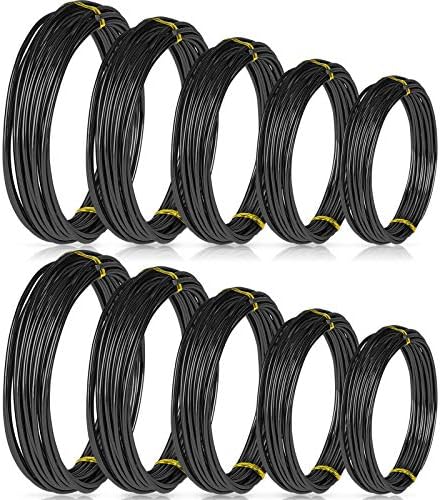
Bonsai Wire
Anodized Aluminium Bonsai Wire — 5-Size Set, 10 Rolls (~164 ft)
~$18Buy
Related hobbies
If Bonsai appeals, these share its shape — same kind of pull, different craft.


Frequently asked questions
How much does it cost to start Bonsai?
A solid starter setup for Bonsai runs about $253 based on our curated picks — that covers the essentials without over-buying. Real spend varies by brand, condition (new vs. used), and what you already own. See the Tools & gear tab for the full itemised list with current pricing.
Is Bonsai hard to learn?
Bonsai has a genuine learning curve — expect months of regular practice before things feel natural. Early sessions can feel clunky, but that's normal. Most people find the progress itself motivating: there is always a clear next thing to improve. Starting with a structured lesson or class rather than self-teaching makes a meaningful difference in how fast you progress.
What do you actually need to start Bonsai?
The Tools & gear tab on this profile lists the recommended starter pick per category with prices and direct links. For a first session, focus on the Essential items only — add the Optional upgrades later if you stick with it. Many beginners borrow or rent before buying anything.
Can you do Bonsai completely on your own?
Yes — Bonsai is well-suited to solo practice. Most people do it on their own schedule without needing partners, clubs, or group sessions. That makes it easy to fit into a busy week, and your progress is not dependent on others showing up. Community is available if you want it, but it is entirely optional.
Can you try Bonsai before committing to it?
Strongly recommended. Look for intro classes, club open days, or single-session rentals — most areas have options. Many gear shops let you demo or rent equipment for a day. Starting with a low-commitment first session before buying anything is the standard advice from people already in the hobby: it tells you whether you actually enjoy it, not just whether you think you will.