
You end up with something you can hold.
Wondering if Pottery is your kind of thing?
See your match — 2-min quizCentering clay on the wheel is humbling in a way you don't expect; your hands say one thing and the spinning lump does another, and for weeks the walls collapse just as they start to rise.
Then one day the clay locks under your palms and pulls up clean, and the feeling is almost physical.
It's wet, messy, and slow, and the kiln can still crack what you loved — but holding a bowl you actually made changes how you drink your coffee.
Is this for you?
Honest tradeoffs before you spend money or clear space.
You'll enjoy this if
- The day clay finally locks under your palms and pulls up clean is the goal.
- Not mind wet, messy hours and a studio full of other potters.
- Holding a lopsided bowl you actually threw would change how you drink coffee.
Not for you if
- Weeks of walls collapsing just as they rise would make you give up.
- Wet clay everywhere and a slow wheel are mess and pace you would dislike.
- The kiln cracking a piece you loved would be a sting you can't shake.
Tends to suitThe Maker
What to expect
Rough shape of the first few months — not a promise, a mental model.
- first session
Centering feels impossible: your hands say one thing and the spinning clay does another, wobbling, shifting, then collapsing as the walls rise. You'll make two or three lumpy, thick-bottomed shapes before you run out of clay. None of them are bowls. They're honest attempts.
- first month
You center consistently for the first time — the clay locks under your palms and pulls up clean — and trim a bisque-fired piece that holds its form through the kiln. It's not even, but it holds water. You drink from it on purpose.
- few months in
Your walls come up thin enough to feel delicate, not accidental. You're pulling cylinders before opening into bowls, planning a glaze in advance instead of picking one in panic. The kiln still cracks things you loved, and that sting doesn't go away — but your success rate is climbing and the shapes are starting to look like yours.
What people say
Centring clay on the wheel is so much harder than potters make it look, and your first dozen attempts will collapse into sad lumps. When one finally holds its shape it's pure magic though.
Tip: Take a class with wheel access first. Buying a wheel before you know you'll stick with it is a costly bet.
Just started · HobbyStackDeeply satisfying and very tactile, but it's messy and needs space and ideally a kiln, which most people rent or share. It's not a tidy spare bedroom hobby.
Tip: Find a community studio. Shared wheels and kilns make this affordable while you learn.
A few months in · HobbyStackMaking a mug you actually drink from every morning never gets old. Just accept the failure rate. Things crack, slump, or explode in the kiln, and that's part of it, not you doing it wrong.
Tip: Keep your clay and hands wetter than feels natural at first. Dry clay fights you.
Years in · HobbyStack
Pottery guides
From the blog
- Hobbies for Couples: 15 Activities Worth Doing Together
- Hobbies for Couples to Do at Home: 15 Activities Worth Sharing
- Hobbies for Anxiety: Activities That Calm a Racing Mind
- Hobbies for Women: 20 Activities Worth Starting at Any Age
- Dopamine Hobbies: 15 That Reset Your Brain (Without a Screen)
- Hobbies for Adults Who've Never Really Had One: 14 Easy On-Ramps
- Hobbies for Introverts: 16 Solo Activities That Actually Recharge You
- Hobbies for Kids: 15 Screen-Free Ideas That Actually Stick
- Retirement Hobbies: 15 Ways to Fill Your Time With Things Worth Doing
- Hobbies You Can Do With Your Hands: 18 Crafts to Get You Off a Screen
- Indoor Hobbies for Adults: 18 Things to Do When You're Stuck Inside
- 20 Impressive Hobbies That Make You More Interesting
- The Ultimate List of Hobbies: 200+ Ideas Sorted by Type
- Productive Hobbies: 14 Activities That Actually Leave You With Something
- Hobbies That Make Money: 10 That Can Actually Pay You Back
- Weekend Hobbies: 16 You Can Start (and Finish) by Sunday
- Winter Hobbies: 20 Activities to Pick Up When It Gets Cold
- How to Find a Hobby You'll Actually Stick With
Projects to get you started
Real things to make, beginner to advanced. Start with whatever appeals — nothing's locked, no set order.
Beginner
2 projectsIntermediate
2 projectsAdvanced
1 projectThe full kit
The essentials run about $306 — you don't need it all to start: each project above lists only what it uses, and the first is often free. Links open Amazon (affiliate tag).
Sponge and Chamois
Mudtools Pottery Chamois (3-pack)
~$15Buy
Pottery Tool Set
Kemper Pro 11-Piece Pottery Tool Kit
~$65Buy
Pottery Clay
Standard Ceramic 365 Stoneware Clay (25 lb)
~$38Buy
Potter's Wheel
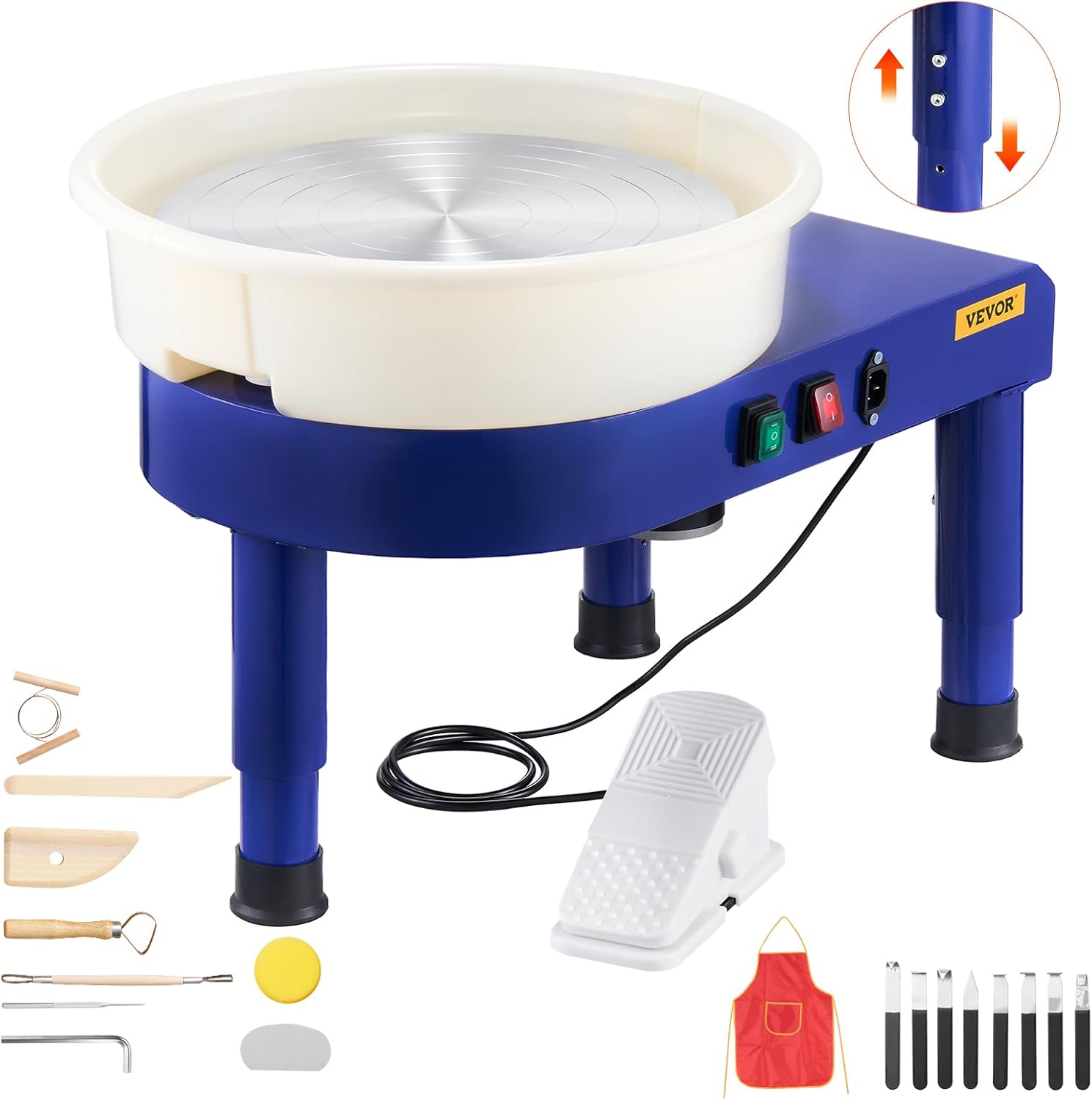
VEVOR 25cm Pottery Wheel (LCD + 18-pc tool kit)
~$170Buy
Clay Cutting Wire
Sherrill Mud Twisted Wire Cutter
~$18Buy
Related hobbies
If Pottery appeals, these share its shape — same kind of pull, different craft.


Frequently asked questions
How much does it cost to start Pottery?
A solid starter setup for Pottery runs about $306 based on our curated picks — that covers the essentials without over-buying. Real spend varies by brand, condition (new vs. used), and what you already own. See the Tools & gear tab for the full itemised list with current pricing.
Is Pottery hard to learn?
Pottery has a genuine learning curve — expect months of regular practice before things feel natural. Early sessions can feel clunky, but that's normal. Most people find the progress itself motivating: there is always a clear next thing to improve. Starting with a structured lesson or class rather than self-teaching makes a meaningful difference in how fast you progress.
What do you actually need to start Pottery?
The Projects tab lists exactly what each starter project uses, which is usually a short list. Avoid buying a full kit before your first session — borrow or rent what you can to keep the entry cost low until you know the hobby fits.
Do you need to join a club or group to do Pottery?
Pottery is a naturally social activity — clubs and group sessions are where most people make real progress, not solo practice alone. You do not need a membership from day one: a beginner class or drop-in session is the right starting point. It introduces you to the community without a long-term commitment and lets you figure out whether the social side appeals before signing up for anything.
Can you try Pottery before committing to it?
Strongly recommended. Look for intro classes, club open days, or single-session rentals — most areas have options. Many gear shops let you demo or rent equipment for a day. Starting with a low-commitment first session before buying anything is the standard advice from people already in the hobby: it tells you whether you actually enjoy it, not just whether you think you will.