Leatherworking for Beginners: How to Get Started
A complete guide to working with leather — understanding hides, choosing tools, mastering cuts and stitching, and building things that last decades.
Leather is among the oldest materials humans have shaped into useful objects, and working with it connects you to a craft tradition that spans thousands of years. What makes it compelling as a modern hobby is that the output is genuinely durable. A well-made leather wallet, belt, or bag does not wear out in a year. It develops character over decades and often outlasts the person who made it. That longevity changes how you approach the work.
What Leatherworking Actually Involves
Leatherworking is the craft of cutting, shaping, stitching, and finishing animal hide to create functional or decorative objects. The material itself is produced through tanning — a process that converts raw hide into a stable, workable material by treating it with tannins, chromium salts, or other agents. The tanning method determines the leather's character: its firmness, its ability to hold shape, whether it can be carved and tooled, and how it ages over time.
Every hide is different. Thickness varies across a single piece. The belly is softer and stretchier than the back. Scars, insect bites, and brand marks appear unpredictably. Learning to read a hide — to work with its variation rather than against it, to position cuts so that defects fall in hidden areas and the cleanest leather faces outward — is one of the skills that separates experienced leatherworkers from beginners.
The tools used in leatherworking are highly specialised and the quality difference between cheap and good is significant and immediately felt. A sharp swivel knife turns smoothly and cuts clean lines. A dull one drags and tears. A well-set pricking iron produces evenly spaced stitch holes that make saddle stitching look professional. A badly made one produces irregular spacing that no amount of careful stitching can compensate for. Buying fewer tools of better quality is the consistent advice of every experienced practitioner in this craft.
Types of Leatherworking to Explore
Small Goods and Accessories
Wallets, cardholders, key fobs, belts, watch straps, and coin purses. The most accessible entry point for beginners because the projects are small enough to complete in a single session, the material cost is low, and the techniques involved — cutting, edge finishing, and stitching — cover the foundational skills of the entire craft. A simple bifold wallet teaches pattern making, straight cutting, skiving, and saddle stitching in a single project.
Bags and Larger Goods
Tote bags, briefcases, backpacks, and messenger bags. Significantly more demanding than small goods in terms of planning, hardware installation, and structural understanding. The pattern work becomes more complex, the stitching runs longer, and decisions about lining, reinforcement, and hardware placement require more forethought. A well-made leather bag is among the most impressive things a hobbyist leatherworker can produce and one of the most used.
Carving and Tooling
Decorating the surface of vegetable-tanned leather using swivel knives, bevellers, and stamping tools to create raised, three-dimensional designs. Floral carving in the Western tradition is the most widely practiced style, producing organic patterns of leaves and flowers pressed into dampened leather. Celtic knotwork, geometric patterns, and pictorial scenes are also common. Tooling requires vegetable-tanned leather specifically — chrome-tanned leather does not hold impressions and cannot be carved.
Footwear and Saddlery
The most technically demanding branches of leatherworking, both with long apprenticeship traditions. Shoemaking involves lasting, welt construction, and sole attachment using techniques that take years to develop. Saddlery involves structural work designed to bear significant weight and stress. Both are rewarding to pursue but require substantially more knowledge and tooling than other leatherworking disciplines and are better approached after a solid foundation in the basics.
Wet Moulding and Armour
Vegetable-tanned leather can be soaked in water and moulded over a form, then allowed to dry in that shape permanently. This technique is used historically for armour, sheaths, and holsters, and continues to be practiced by historical reenactors, cosplayers, and craftspeople making fitted sheaths and cases. The material becomes rigid as it dries, producing a custom-fitted shape that no other material replicates as cleanly.
Make a simple cardholder or key fob as your first project. Both require only a small piece of leather, a handful of tools, and a few hours. They teach cutting, edge finishing, and saddle stitching without the complexity of patterns, hardware, or lining. Complete three or four small projects before attempting anything larger. The skills compound quickly and the early projects are genuinely useful from day one.
Tools and Materials You Will Need
Leatherworking tools are specialised and the investment is real, but a focused beginner kit covers a wide range of projects without buying everything at once. Here is what actually matters at the start:
The non-negotiables — you need these before your first session. No upsell here, just what actually matters to get started safely.
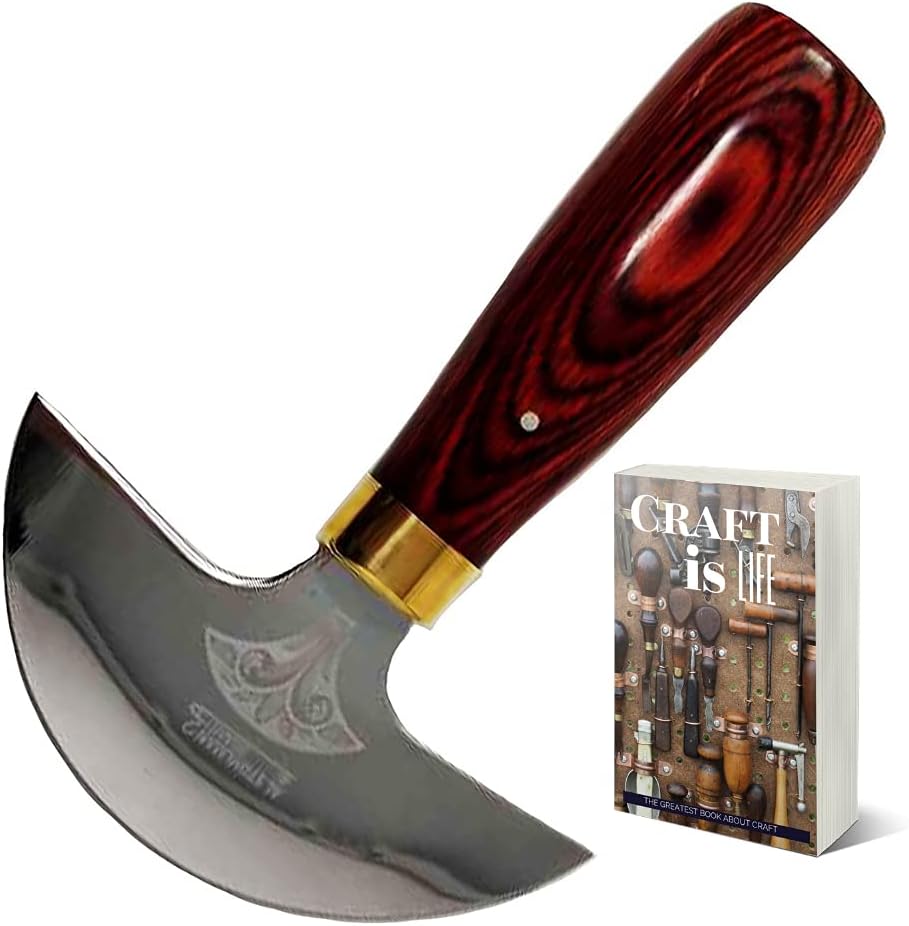
Leather Cutting Knife
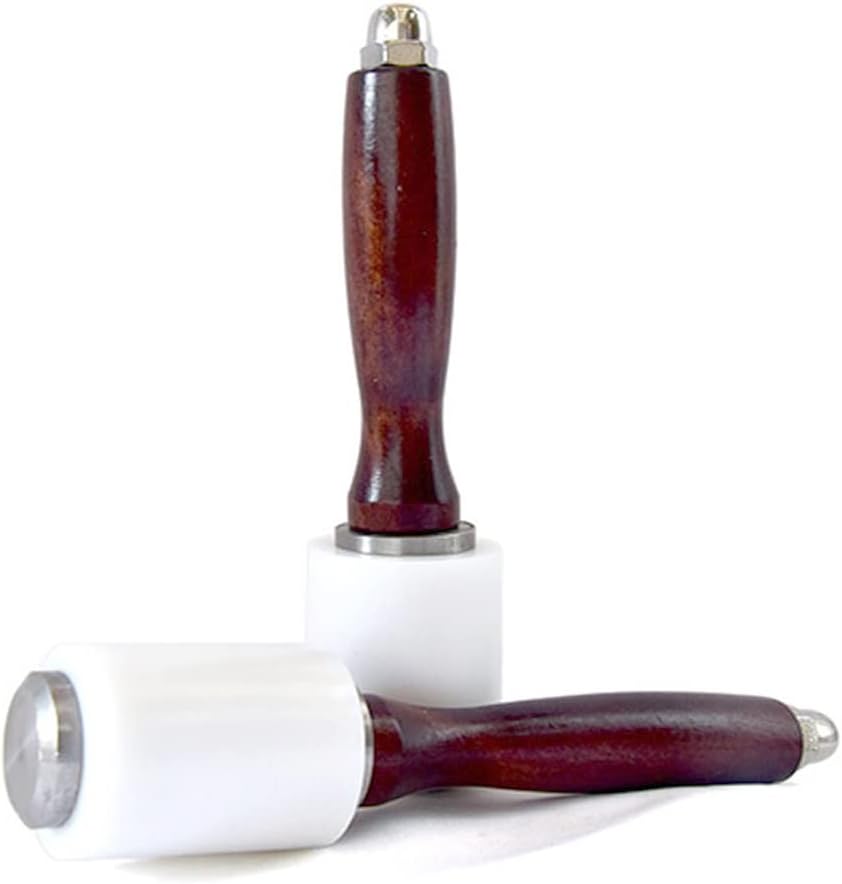
Leather Stitching Awl


Worth it once you're committed. These items meaningfully improve your experience and are often bought within the first few months.


Understanding leather types before buying is the most consequential knowledge a beginner can have. Here is a practical reference for what you will encounter:
| Type | Tanning Method | Character | Best For | Beginner Suitability |
|---|---|---|---|---|
| Vegetable Tan | Plant tannins | Firm, shapeable, develops patina, accepts tooling | Wallets, belts, bags, carving, moulding | Excellent — the standard beginner leather |
| Chrome Tan | Chromium salts | Soft, supple, consistent colour, water resistant | Garments, upholstery, soft bags | Good for soft goods, cannot be tooled |
| Bridle Leather | Veg tan with wax/tallow | Dense, waxy, extremely durable, slow patina | Belts, straps, watch bands, high wear items | Good — firm and forgiving to work with |
| Suede | Split hide, various tanning | Soft nap surface, less durable, marks easily | Garment lining, soft goods | Difficult to cut cleanly, not recommended first |
| Latigo | Combination tanned | Soft yet firm, oil-tanned, water resistant | Straps, laces, equestrian work | Good — holds shape well for straps and handles |
| Exotic Hides | Various | Distinctive texture, expensive, variable workability | Accent pieces, luxury small goods | Not recommended until skills are established |
Interactive Buyer's Guide
Compare all tiers, track what you own, see your full budget.
How to Get Started Step by Step
Start with vegetable-tanned leather
Vegetable-tanned leather is firm, holds its shape, accepts tooling and carving, develops a rich patina over time, and is the material used in virtually all traditional leatherworking. Chrome-tanned leather is softer and cheaper but cannot be tooled or wet-moulded. Beginning with vegetable tan teaches the material correctly from the start.
Cut on a hard, flat surface with a sharp blade
A cutting mat, a steel ruler, and a sharp craft knife or leather knife are the foundation of clean leatherwork. A dull blade drags the leather rather than slicing it, producing ragged edges that are difficult to finish. Change blades frequently. The cost of a blade is negligible compared to the cost of a piece of good leather cut badly.
Skive edges before gluing or stitching
Skiving means thinning the flesh side of leather at the edges where two pieces will join. Without skiving, overlapping layers create a thick, stiff, ungainly join. A skiving knife or a sharp bevelling tool used at a shallow angle produces a gradual taper that makes joins neat and professional. This single technique makes the difference between work that looks handmade and work that looks hand-crafted.
Learn saddle stitching before machine stitching
Saddle stitching uses two needles and a single thread to produce a stitch that is stronger and more repairable than machine stitching. If a machine stitch breaks, the whole seam can unravel. If a saddle stitch breaks, only the stitches adjacent to the break are affected. The technique is not difficult to learn and produces results that look and perform better than machine-stitched leather in most applications.
Finish edges before assembling pieces
Raw cut leather edges look unfinished and wear poorly. Bevelling the corners with an edge beveller, sanding progressively through grits, and burnishing with gum tragacanth or tokonole produces a smooth, rounded, sealed edge that characterises professional leatherwork. It is far easier to finish edges on flat pieces before assembly than to reach them once the project is constructed.
Condition the leather after completing each project
Leather dries out and cracks over time if not maintained. Applying a leather conditioner such as neatsfoot oil, leather balm, or beeswax-based cream after finishing a project feeds the fibres and protects the surface. A conditioned piece develops a richer colour and patina over years. An unconditioned one dries, stiffens, and eventually cracks along stress lines.
What to Expect From Your First Project
Here's what typically happens when you start — and why it's useful information, not failure.
Cutting straight lines is harder than it looks. Leather resists the knife slightly, and any deviation from the ruler translates directly into a visible edge on the finished piece. Pressing the ruler firmly into the leather surface, using a fresh blade, and pulling the knife in a single confident stroke rather than multiple short passes produces cleaner results. Practice cuts on scrap pieces before cutting your pattern pieces.
Stitching will be uneven at first. Consistent saddle stitching requires consistent tension on both threads and a consistent rhythm. The first few centimetres of a stitch line are almost always tighter or looser than what follows. Starting with a longer stitch line than the project requires, then trimming back to the beginning once the rhythm is established, is a useful workaround for early projects.
Edges take longer than the rest of the project combined. Bevelling, sanding, and burnishing four edges on a simple wallet takes longer than cutting the leather and stitching it. Beginners frequently underestimate this and rush the edge work, which is exactly what determines whether a piece looks finished or raw. The time spent on edges is the most visible investment in a leatherwork project.
The smell and feel of the material is immediately compelling. Vegetable-tanned leather has a distinct, warm smell and a pleasant firmness that responds to handling in a way no synthetic material replicates. Most people who begin leatherworking describe the sensory quality of the material as one of the unexpected reasons they stayed with it.
The first completed piece will be used. Unlike many crafts where early work goes on a shelf or gets repurposed, a leather cardholder or key fob goes directly into daily use. Watching it develop patina and character over months is a specific reward that leatherworking offers and that most other hobbies do not.
Beginner Tips That Actually Help
Wax your thread before stitching
Pre-waxed thread is available and adequate, but pulling your thread through a block of beeswax before stitching adds an extra layer of wax that smooths the thread, reduces friction through the stitch holes, and helps the completed stitch bed into the leather more cleanly. It takes ten seconds per length of thread and produces a visibly neater result. A block of beeswax costs a few dollars and lasts for years.
Use a stitching horse or clam for consistent work
A stitching horse or stitching clam holds the work piece at a comfortable height and angle while you stitch, freeing both hands for the needles and producing more consistent tension than holding the work in your lap or against a table edge. A basic wooden stitching clam costs $20 to $50 and makes longer stitch runs dramatically more comfortable and consistent. It is the first piece of ancillary equipment worth buying after the core tool kit.
Mark your stitch line before punching holes
Using a wing divider or stitching groover to scribe a line parallel to the edge at a consistent distance before punching stitch holes produces perfectly straight, consistently spaced stitching that is one of the clearest markers of quality in hand-stitched leather. Punching holes freehand without a guide line produces stitch lines that wander visibly. The grooved channel also sinks the thread slightly below the surface, protecting it from abrasion.
Dampen vegetable-tanned leather before tooling or moulding
Vegetable-tanned leather in its dry state is too hard to take a clean impression from a stamp or swivel knife. Dampening it with a sponge until it reaches a consistent, even tone called "casing" makes the fibres temporarily plastic and receptive to tooling. The leather should be damp throughout but not wet on the surface. Tooling leather that is too wet produces blurry impressions. Tooling leather that is too dry produces surface tears rather than clean cuts.
Study the work of makers whose output you admire
The leatherworking community produces an extraordinary range of work, from utilitarian everyday carry goods to objects of genuine artistic ambition. Spending time studying how specific makers solve construction problems, finish edges, and handle hardware develops a visual understanding of quality that accelerates your own work. Makers worth studying include Nigel Armitage for traditional English saddlery technique, Chuck Dorsett of Weaver Leather for educational content, and the work coming out of Japanese ateliers for precision and material sensitivity that represents the current high end of the craft.
Keep your scraps and use them for practice
Every cut produces offcuts. Keeping them in a box rather than discarding them gives you a supply of material for practising techniques, testing edge finishes, trying new stitching patterns, and experimenting with dyes and conditioners without committing to a full piece of leather. The practice time accumulated on scraps is what produces the consistency that makes finished work look professional. Nigel Armitage recommends stitching a minimum of one metre of practice stitch before beginning any project where the stitch line will be visible.
Common Questions Answered
- What is the difference between full-grain, top-grain, and genuine leather?
These terms describe the layer of the hide being used. Full-grain leather uses the outermost layer of the hide with the grain surface intact and no sanding or buffing to remove natural markings. It is the most durable, the most characterful, and the most expensive. Top-grain leather has the uppermost surface sanded away to remove imperfections and is then coated, producing a more uniform appearance at the cost of some durability and patina development. Genuine leather is a marketing term that can legally apply to any product containing some leather, including reconstituted leather bonded with adhesives, and generally indicates low quality. For leatherworking, full-grain vegetable-tanned leather is the correct material.
- Can you do leatherworking without a dedicated workspace?
Yes. A kitchen table with a cutting mat, a piece of granite or marble as a punching surface, and a small tool roll is a fully functional leatherworking setup. The footprint is small, the noise level is low, and the materials store compactly. The one genuine requirement is a hard, flat surface for cutting and a firm base for driving pricking irons. A thick piece of dense rubber or a small granite tile from a flooring supplier covers the punching surface requirement for under $10.
- How long does it take to make a leather wallet?
A simple bifold wallet takes an experienced maker two to three hours. For a beginner, the same project typically takes six to eight hours across the first attempt, with most of the time spent on edge work, measuring carefully, and re-doing stitching that did not come out as intended. That time reduces quickly with practice. By the fifth or sixth wallet, most beginners are working in three hours or less and the quality is markedly better than the first attempt.
- Is leatherworking an ethical hobby?
This is a question many beginners consider seriously. The leather used in craft work is almost entirely a byproduct of the meat industry — hides that would otherwise be discarded or processed into lower-grade materials. Using that material for long-lasting, high-quality objects is arguably a more ethical use of it than allowing it to go to waste. Vegetable-tanned leather specifically avoids the chromium salts used in most commercial tanning, which are a significant environmental concern in industrial processing. For those with ethical concerns, plant-based leather alternatives including cork leather, Piñatex, and Mylo are available and workable with similar tools, though they behave differently and have different limitations.
- What thickness of leather should a beginner buy?
Leather thickness is measured in ounces per square foot in the American system, where one ounce equals approximately 0.4mm. For small goods like wallets and cardholders, 2 to 3 oz leather (0.8 to 1.2mm) is correct. For belts and straps, 8 to 10 oz (3.2 to 4mm) provides the necessary stiffness and durability. For bags, 4 to 5 oz (1.6 to 2mm) is the standard range. Buying leather that is too thick for the project makes stitching and edge work unnecessarily difficult. Most specialist suppliers sell leather in half-hides or smaller cuts specifically sized for particular project types.
- Is leatherworking an expensive hobby to get into?
The initial tool investment is real but front-loaded. A complete beginner kit of good quality tools costs $100 to $200 and will last for decades with basic maintenance. The ongoing cost is leather and consumables, which scale directly with how much you make. A small piece of vegetable-tanned leather sufficient for a wallet costs $8 to $15. A half-hide sufficient for several bags or many smaller projects costs $80 to $150 depending on quality. The cost per finished object is low once the tools are in place, and the objects produced are durable enough that they are not replaced, which makes the per-use cost of something you made yourself effectively negligible over time.