Leatherworking Tools
Stepping into leatherworking means creating tangible, lasting items, but the sheer variety of tools can feel daunting. Forget the notion that you need a professional setup from day one. This guide cuts through the noise to show you exactly what you need to start crafting durable wallets, bags, and more. We're focusing on the essentials and smart upgrades for the serious hobbyist, cutting straight to the tools that offer the best value and learning experience. Avoid the common beginner pitfall of buying obscure, single-purpose gadgets too early. Instead, invest wisely in versatile tools that will serve you well as your skills grow and your projects become more ambitious. Let's get your workbench set up with the right gear to transform leather into heirlooms.
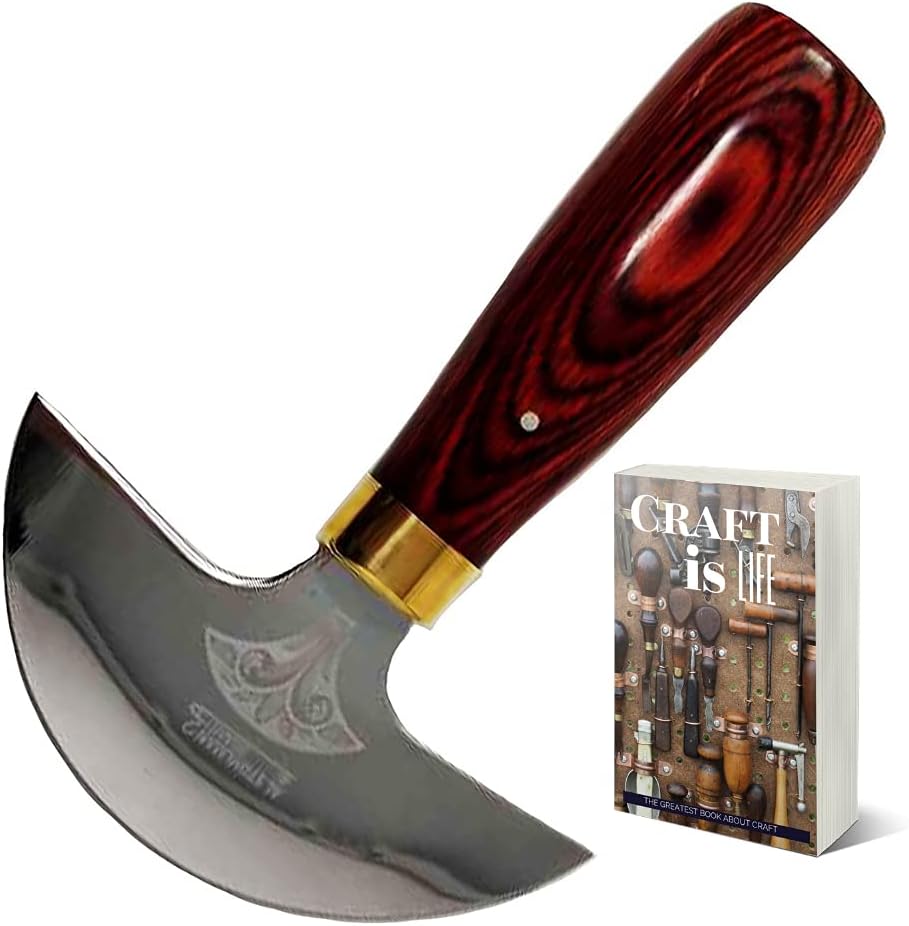
Leather Cutting Knife
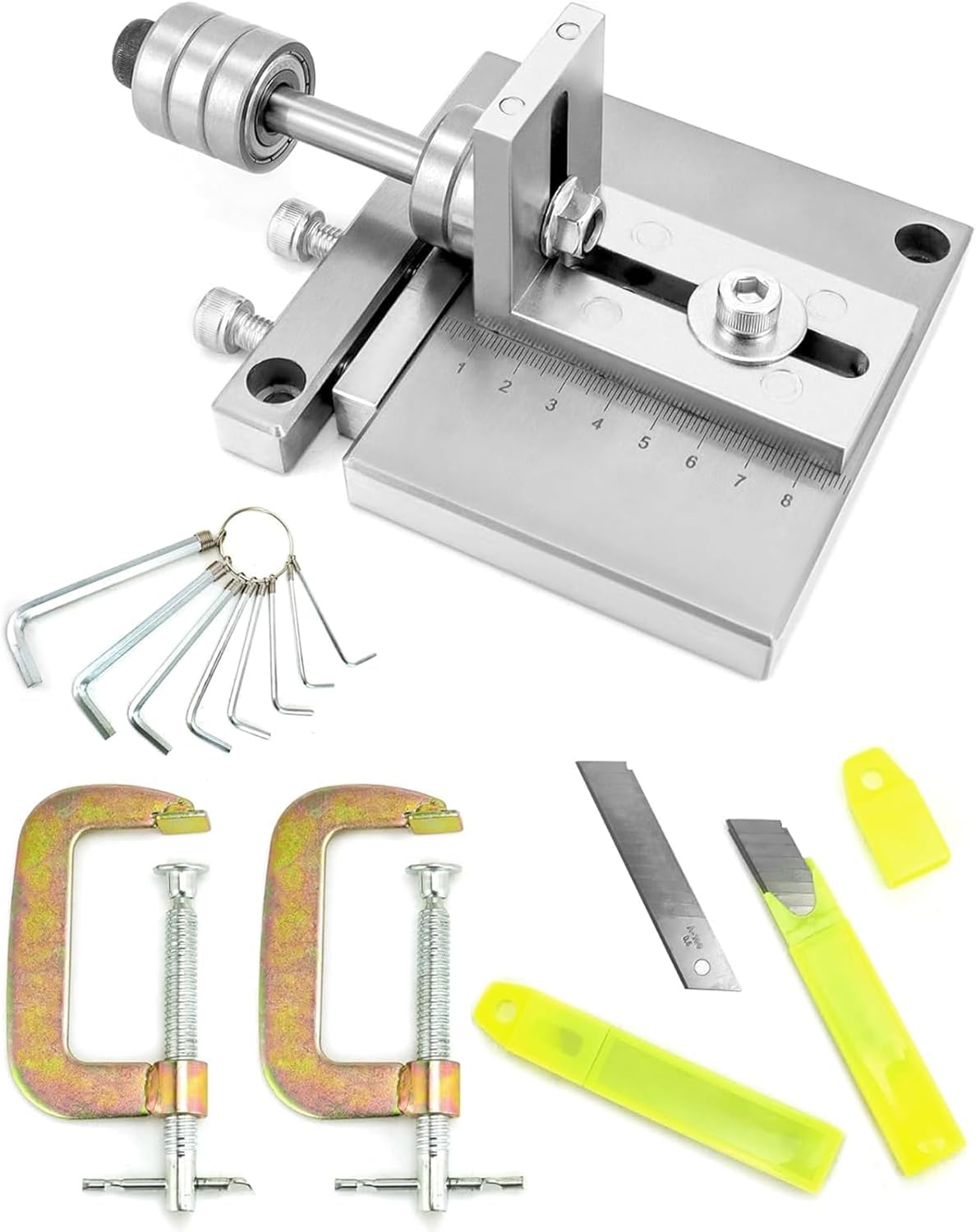
A sharp, reliable knife is paramount for precise leather cuts, ensuring clean edges and accurate shaping for all your projects.

Common Beginner Purchasing Mistakes
Leather Stitching Awl
Essential for creating precise stitching holes, ensuring strong, even seams that define the quality of your hand-stitched leather goods.


When to Upgrade Your Tools
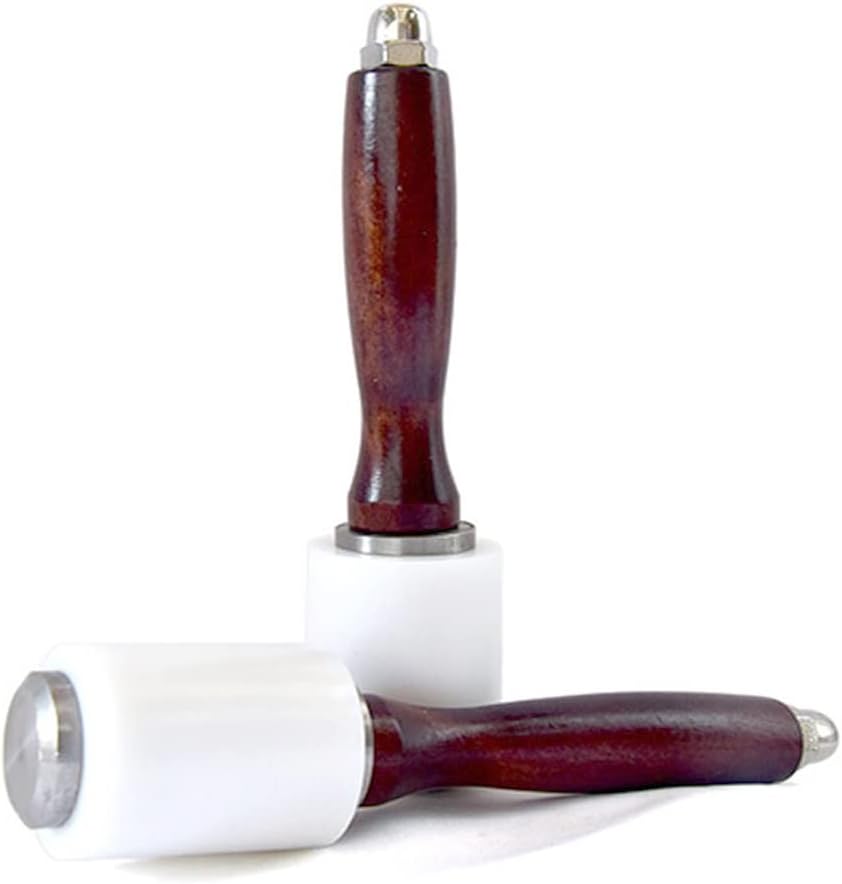
Leather Mallet
A good mallet is crucial for driving stamps, setting rivets, and flattening stitches without damaging the leather.


Essential vs. Optional Leatherworking Tools
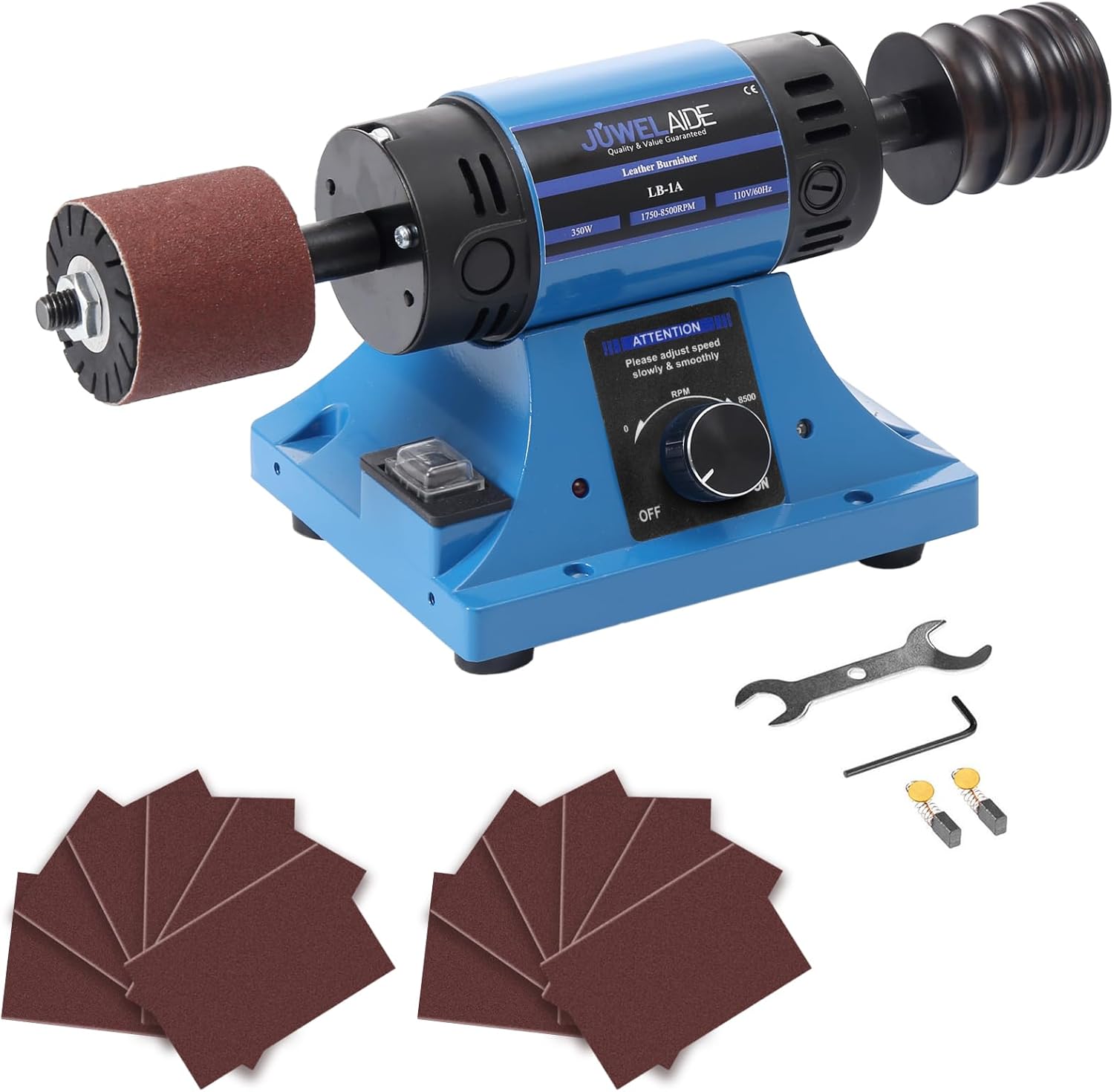
Leather Burnisher
Used to smooth and polish leather edges, creating a professional, sealed finish that enhances durability and appearance.


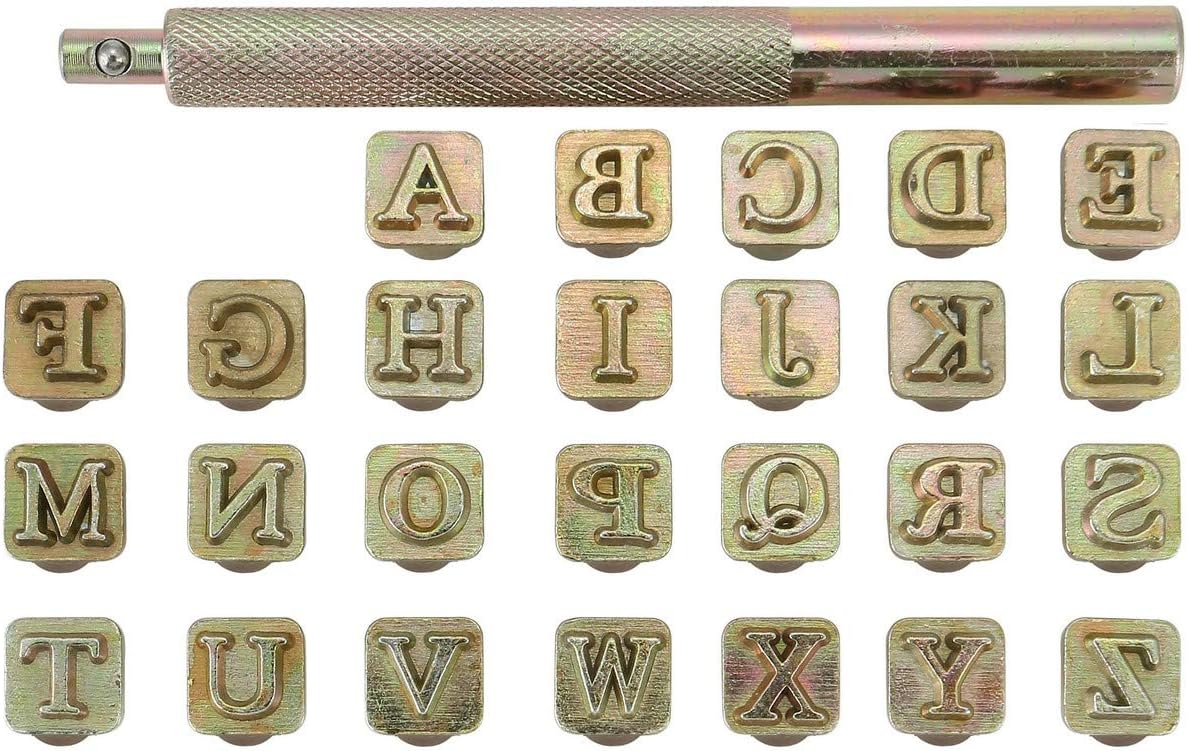
Leather Stamp Set
These tools allow you to create decorative patterns and textures on your leather, adding a professional and unique finish to your work.


Leather Rivet Setter
Necessary for securely attaching rivets, providing a strong and decorative fastening method for leather pieces.


Equipment Intelligence.
Maintenance & Logistics