Gardening for Beginners: How to Get Started
A complete guide to growing things — understanding soil, choosing what to plant, reading your conditions, and building a garden that survives your first season.
Gardening teaches patience in a way that almost nothing else does. Plants grow on their own schedule regardless of yours, and the most important skill a beginner develops is learning to read what is actually happening in the soil, the light, and the plant — rather than what should be happening according to a plan. The good news is that plants want to grow. Your job is mostly to stop getting in the way.
What Gardening Actually Involves
Gardening is the practice of cultivating plants — for food, for beauty, for habitat, or simply for the satisfaction of growing something. It is one of the oldest human activities and one that scales from a single pot on a windowsill to acres of productive land. What all forms of it share is the same fundamental skill: learning to observe carefully and respond appropriately to what the plants and the environment are telling you.
The variables that determine gardening success are interconnected in ways that take a season or two to feel intuitive. Soil quality determines what nutrients are available. Drainage determines whether roots can breathe. Light determines which plants are even viable in a given space. Water, temperature, pests, and timing all interact on top of that. A beginner who tries to manage all of these simultaneously usually becomes overwhelmed. A beginner who starts small enough to observe one or two variables at a time develops understanding that compounds quickly.
What gardening offers that most hobbies do not is a direct relationship with natural cycles. The garden changes every week, every season, every year. No two growing seasons are identical, which means the hobby never becomes static. Gardeners who have been growing for decades still encounter new problems, new combinations, and new surprises. The ceiling is effectively nonexistent.
Types of Gardening to Explore
Vegetable and Food Gardening
Growing edible plants — vegetables, herbs, fruit, salad crops. The most immediately rewarding category for beginners because the feedback loop is fast and the output is tangible. A tomato plant produces fruit within 60 to 80 days of transplanting. A herb pot on a kitchen windowsill produces usable leaves within weeks. Food gardening also has an inherent economy to it — the cost of seeds is a fraction of the cost of the same produce bought fresh.
Flower and Ornamental Gardening
Growing plants primarily for visual impact — borders, beds, containers, cut flowers. Ornamental gardening involves more design thinking than food gardening: colour combinations, height layering, succession planting so something is in bloom across the full season. It is more forgiving of gaps in knowledge because an ornamental plant that underperforms is disappointing rather than a failed crop.
Container Gardening
Growing in pots, raised beds, window boxes, or any contained system rather than open ground. The entry point for anyone without access to a traditional garden — balconies, patios, rooftops, and windowsills all become viable growing spaces. Container gardening also gives you complete control over the growing medium, which removes soil quality as a variable and simplifies the learning curve considerably.
Native and Wildlife Gardening
Planting species native to your region to support local pollinators, birds, and insects. Less intensive than food or ornamental gardening once established — native plants are adapted to local conditions and generally require less watering, feeding, and intervention than exotic ornamentals. The ecological dimension gives this style of gardening a purpose beyond aesthetics that many people find deeply motivating.
No-Dig Gardening
A method championed by Charles Dowding in which beds are built up with organic matter on top of existing ground rather than digging over the soil. This preserves soil structure, suppresses weeds, and dramatically reduces the physical labour of establishing a new bed. It has become the dominant method recommended for beginners in the UK and is gaining ground widely. The results are consistently better than traditional digging approaches for most food crops.
Start with a single raised bed or three to five containers rather than attempting to transform a full garden at once. Choose plants with short growing cycles and high success rates: radishes, lettuce, courgettes, basil, and cherry tomatoes are all forgiving of beginner mistakes and produce results quickly enough to sustain motivation through the first season.
Tools and Supplies You Will Need
A full tool shed is not a prerequisite for a productive garden. The following covers everything a beginner needs to get through a first season without improvising:
The non-negotiables — you need these before your first session. No upsell here, just what actually matters to get started safely.


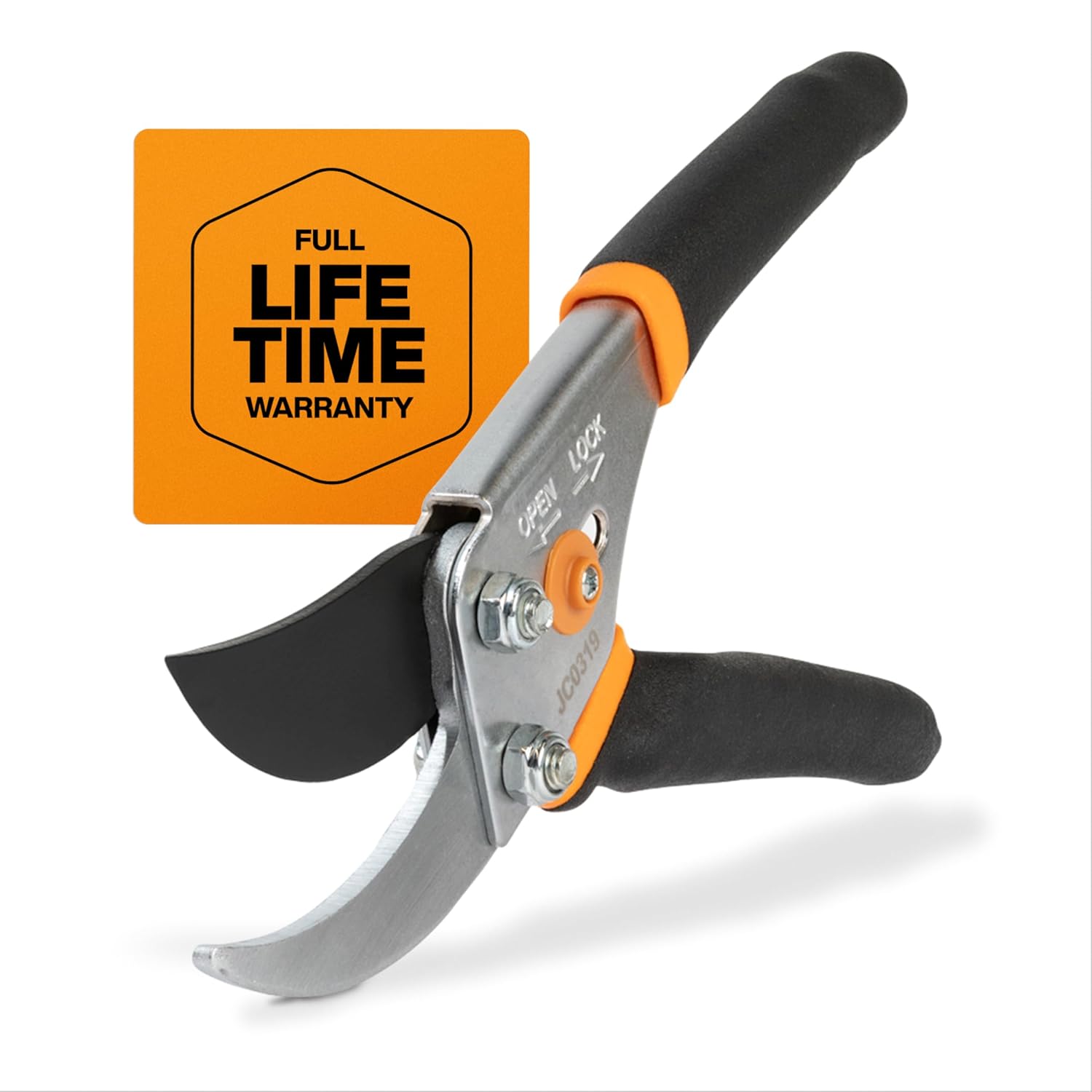
Worth it once you're committed. These items meaningfully improve your experience and are often bought within the first few months.
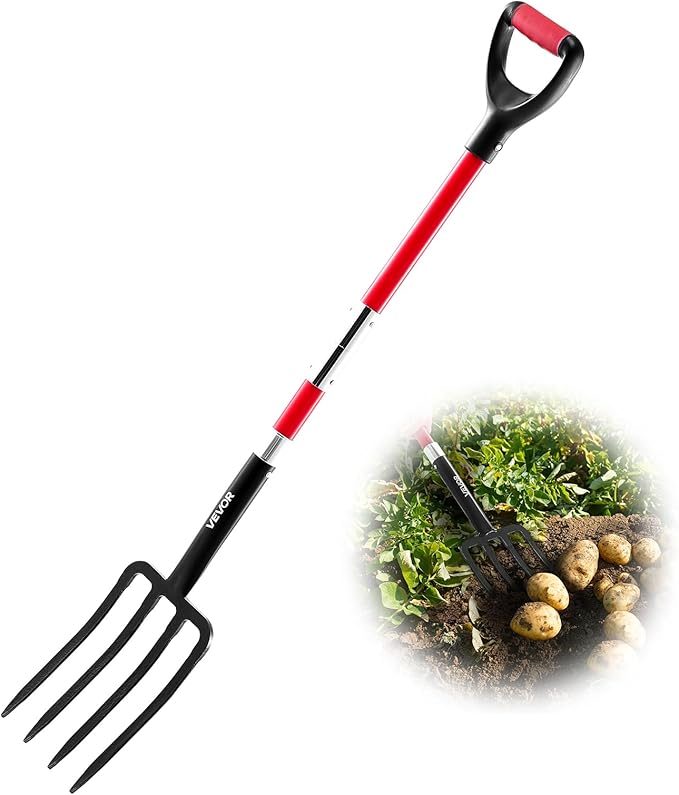


Understanding soil composition matters more than most beginners expect. Here is a practical reference for what you are likely to be working with:
| Soil Type | Characteristics | Main Challenge | How to Improve It |
|---|---|---|---|
| Clay | Heavy, slow draining, nutrient-rich | Compacts easily, waterlogged in winter | Add grit and compost; never dig when wet |
| Sandy | Light, fast draining, warms quickly | Dries out fast, nutrients wash through | Add compost heavily and regularly |
| Loam | Balanced mixture, drains well, fertile | Relatively few — this is the ideal | Maintain with annual compost top dressing |
| Chalky | Alkaline, shallow, free draining | High pH limits plant choices and nutrient availability | Acidify with sulphur; grow chalk-tolerant plants |
| Peaty | Dark, moisture retentive, acidic | Low in nutrients, very acidic | Add lime to raise pH; supplement nutrients |
| Silty | Smooth, fertile, moisture retentive | Compacts under rainfall, poor structure | Add organic matter to improve structure |
Interactive Buyer's Guide
Compare all tiers, track what you own, see your full budget.
How to Get Started Step by Step
Assess your light before choosing plants
The single most common beginner mistake is choosing plants for a space without first measuring how much direct sun it receives. Most vegetables need six to eight hours of direct sun daily. Shade-tolerant plants genuinely exist, but they are the exception. Spend a day tracking light across your space before deciding what to grow.
Test or improve your soil before planting
Ground soil in most gardens is either compacted, nutrient-poor, or both. A basic soil test from a garden centre reveals pH and major nutrient levels. Adding a generous layer of compost before planting addresses most beginner soil problems inexpensively and immediately.
Start with transplants rather than seeds for your first season
Raising plants from seed adds another skill layer on top of an already steep learning curve. Buying young transplants from a nursery lets you focus on soil, water, and light management without simultaneously managing germination. Start seeds in your second season once the basics feel solid.
Water less than you think you should
Overwatering kills more beginner plants than underwatering. Before watering, push a finger an inch into the soil. If it is still moist, wait. Deep, infrequent watering that encourages roots to grow downward produces more resilient plants than frequent shallow watering that keeps the surface permanently damp.
Feed the soil, not just the plants
Chemical fertilisers feed plants directly but do nothing for the soil ecosystem that makes long-term growing viable. Adding compost, worm castings, or well-rotted manure builds soil biology over time. A garden with healthy soil biology requires progressively less intervention as the seasons pass.
Keep a garden journal from day one
Note what you planted, when, where, and what happened. Gardening success is deeply site-specific — what works in your garden may not work in the one next door. A journal converts each season's experience into knowledge that compounds across years into a genuine understanding of your specific conditions.
What to Expect in Your First Season
Here's what typically happens when you start — and why it's useful information, not failure.
Something will fail. A plant will be eaten by slugs, die in an unexpected frost, bolt in unexpected heat, or simply not thrive for no obvious reason. This is gardening. Every experienced gardener has lost plants to every one of these causes repeatedly. The question is not how to prevent all failure but how to learn which conditions each plant needs and provide them better next time.
Weeds will appear faster than expected. Weed seeds are present in almost every soil and germinate rapidly in the same conditions that encourage your chosen plants. Weeding little and often — removing small weeds before they set seed — is dramatically more manageable than letting them establish and attempting a clearance. A Dutch hoe run between rows on a dry day is ten minutes of work that prevents hours of hand weeding later.
Timing matters more than most beginners realise. Planting too early before the last frost, sowing seeds in soil too cold to germinate them, or transplanting into waterlogged ground are all timing errors that cost beginners entire crops. Following local last frost dates and soil temperature guidelines rather than calendar dates prevents most of these losses.
The successes will be disproportionately satisfying. Eating something you grew — even a single lettuce, even a handful of cherry tomatoes — produces a satisfaction that is genuinely difficult to explain to someone who has not experienced it. That first harvest, however modest, is usually what commits people to the hobby for years.
The garden will look different from your plan. Plants grow at unexpected rates, in unexpected directions, and respond to conditions you did not anticipate. Experienced gardeners treat plans as starting frameworks rather than fixed designs. Adapting to what is actually happening in the garden rather than insisting on the original plan is a skill that develops over several seasons and separates gardeners who enjoy the process from those who find it frustrating.
Beginner Tips That Actually Help
Grow what you actually eat or use
Beginners often plant vegetables they find interesting to grow rather than ones they want to eat. A garden full of unusual crops that go unpicked because nobody in the household likes them is demoralising. Start with five or six things your household consumes regularly. The connection between growing and eating is what sustains the hobby through difficult seasons.
Mulch everything you are not actively planting
A thick layer of mulch — wood chips, straw, compost, or leaf mould — laid over bare soil suppresses weeds, retains moisture, regulates soil temperature, and feeds soil biology as it breaks down. The single most labour-saving intervention in any garden, and the one most consistently skipped by beginners. Apply it generously in spring before the weeds germinate and the difference is immediate.
Learn to identify what is eating your plants
Slug damage, aphid colonies, caterpillar feeding, and vine weevil damage all look different and require different responses. Treating every pest problem with the same intervention wastes money and often makes things worse. A hand lens or phone camera used to identify the actual culprit before responding saves significant frustration and produces better outcomes than guessing.
Visit other people's gardens
Open garden events, allotment associations, community garden open days, and botanic gardens all provide exposure to approaches and plant combinations you would not discover through reading alone. Talking to experienced gardeners in your local climate and soil conditions provides more relevant advice than any general gardening book, because local knowledge accounts for variables that national publications cannot address. The gardening community is, by and large, extremely generous with knowledge.
Accept that gardening is seasonal work, not constant work
There are periods in the gardening year — midsummer in a food garden, mid-winter in most ornamental gardens — where the garden needs very little from you. Beginners sometimes interpret quiet periods as failure or neglect. They are not. Understanding the rhythm of the year in your garden, and working with it rather than against it, is one of the most important things a beginner learns in the first two seasons.
Read gardeners who write for your climate
Gardening advice is heavily climate-specific. A book written for English gardens gives poor guidance on drought management. A guide written for the American South is irrelevant to a Minnesota gardener. Seek out writers who garden in conditions similar to yours. Worth reading broadly include Charles Dowding for no-dig vegetable growing, Monty Don for ornamental and kitchen garden practice, and Niki Jabbour for extending the food growing season in cold climates.
Common Questions Answered
- Can you garden without a garden?
Yes. A sunny windowsill grows herbs. A balcony with containers grows salad crops, tomatoes, peppers, and strawberries. A community allotment provides ground space for people without private gardens, and waiting lists, while sometimes long in cities, are worth joining early. Vertical growing systems — wall-mounted planters, stacked containers, grow bags hung from railings — extend what is possible in tight spaces significantly beyond what most people assume.
- How much time does gardening actually take?
It scales to whatever time you have available. A single raised bed of salad crops requires perhaps 20 to 30 minutes per week during the growing season. A productive kitchen garden supplying a family takes several hours per week at peak season. The trap for beginners is starting with more space than they can maintain, which produces an overwhelming amount of work and a garden that looks neglected. Starting small and expanding as capacity and interest grow is the more sustainable approach.
- What are the easiest vegetables for a first-time grower?
Courgettes and zucchini are essentially impossible to fail with in reasonable conditions — they grow aggressively and produce abundantly. Cherry tomatoes are more forgiving than larger varieties. Radishes germinate in days and are ready to harvest in three to four weeks. Lettuce and salad leaves tolerate partial shade, grow quickly, and can be harvested as cut-and-come-again crops for months. Herbs — basil, parsley, chives — produce usable results with minimal space and attention. All of these give beginners early wins that build confidence for more demanding crops.
- How do you deal with slugs and snails without chemicals?
Copper tape around container rims creates a deterrent barrier. Collecting slugs by hand after dark on damp evenings is effective and costs nothing. Beer traps — shallow containers sunk into the soil and filled with cheap beer — catch large numbers. Encouraging hedgehogs, frogs, and ground beetles into the garden by providing habitat creates a natural predator population that reduces slug pressure over time. Wool pellet mulches deter slugs while feeding the soil. Iron phosphate slug pellets are approved for organic growing and are less harmful to other wildlife than metaldehyde-based products.
- When is the best time to start a garden?
The best time to start is whenever you are ready. Spring is the most natural starting point in temperate climates — soil is warming, days are lengthening, and the full season lies ahead. But autumn is an excellent time to prepare beds, plant garlic and spring bulbs, and sow winter salad crops under cover. Even winter is useful for planning, ordering seeds, and improving soil structure. There is no season in which a gardener has nothing to do or learn.
- Is organic gardening harder than conventional gardening?
In the short term, organic methods sometimes require more patience — slug damage before a predator population is established, nutrient release from compost being slower than synthetic fertiliser. In the medium to long term, organic gardening produces more resilient soil, lower pest pressure as the garden ecosystem balances itself, and produce free from synthetic residues. Most experienced gardeners who have tried both describe the organic approach as less work over time, not more, once the soil biology is established.