
Gardening
Put plants in soil and coax food and flowers out of the ground.
0 usersCommunity fit
You end up with a memory worth keeping.Seasonal
Wondering if Gardening is your kind of thing?
See your match — 2-min quizYou are mostly negotiating with things outside your control: weather, pests, soil that won't drain, and seedlings that bolt the week you go on vacation.
Plants die for reasons you only understand in hindsight, and the payoff runs on the season's clock, not yours, so patience isn't optional.
But there's a steady, grounding satisfaction in tending something daily, and the first homegrown tomato or the bed that finally fills in makes the dirt under your nails feel earned.
Is this for you?
Honest tradeoffs before you spend money or clear space.
You'll enjoy this if
- The first homegrown tomato off your own plant tastes earned to you.
- Find tending something daily grounding rather than tedious.
- Accept the payoff runs on the season's clock, not yours.
Not for you if
- Plants dying for reasons you only grasp in hindsight would defeat you.
- Negotiating endlessly with weather, slugs, and bad drainage would frustrate you.
- Want a result faster than waiting eight weeks from sowing to harvest.
Tends to suitThe CultivatorThe Grounded
What to expect
Rough shape of the first few months — not a promise, a mental model.
- first session
You dig over a bed, plant seeds or plugs with optimism, and water everything. Most of it will come up; some of it will damp off, bolt, or get eaten by slugs before you even notice. The gap between the seed packet photo and your actual bed is humbling and specific.
- first month
You start reading the bed rather than just tending it — which seedlings are thriving, which are pale from too much shade, where the drainage pools after rain. A few things go wrong and you learn more from each failure than from the plants that just grew themselves without your help.
- few months in
You're thinking in seasons: what to sow now for harvest in eight weeks, what to lift before the first frost, what needs cutting back to flower again. The first homegrown tomato or handful of beans off your own plant tastes disproportionately good, and the dirt under your nails stops feeling like a downside.
What people say
Nobody tells you how much of it is negotiating with things you can't control: weather, slugs, soil that won't drain, seedlings that bolt the week you go away. The gap between the seed packet photo and my actual scrappy bed was humbling. And then the first homegrown tomato tasted absurdly good.
Tip: Start with a few easy, forgiving crops like courgettes, beans or salad leaves. Early wins keep you going through the inevitable failures.
Just started · HobbyStackThe payoff runs on the season's clock, not yours, so patience genuinely isn't optional. Plants die for reasons you only understand in hindsight. What surprised me is how grounding the daily ten minutes of pottering became, separate from any harvest.
Tip: Keep a simple notebook of what you planted and when. Next year you'll thank yourself for knowing what bolted and what thrived.
A few months in · HobbyStackYou start thinking in seasons rather than days: what to sow now for a harvest in eight weeks, what to lift before frost. The failures still come and you still learn more from them than the plants that grew themselves. The dirt under your nails stops feeling like a downside years ago.
Tip: Improve your soil before you fuss over plants. Compost and mulch fix more problems than any clever technique.
Years in · HobbyStack
Gardening guides
Gardening for Beginners: How to Start a Kitchen Garden from Scratch
Gardening works in almost any space — a few containers on a balcony or a single raised bed can produce food all season. This guide covers the easiest crops to start with, what soil and tools actually matter, and how to water correctly.
Gardening for Beginners: Your First Plants, First Tools, and How to Not Kill Everything
Gardening looks straightforward and regularly humbles people who think so. The difference between a productive garden and a season of dead plants usually isn't work ethic — it's timing and soil. Knowing when to plant what, and whether your soil supports it, is the entire game. Here's how to start with something that will actually grow.
From the blog
- Hobbies for Couples to Do at Home: 15 Activities Worth Sharing
- Hobbies for Anxiety: Activities That Calm a Racing Mind
- Hobbies for Seniors and Retirees: 20 Activities Worth Starting
- Hobbies for Women: 20 Activities Worth Starting at Any Age
- Cheap Hobbies: 17 You Can Start for Under $30
- Dopamine Hobbies: 15 That Reset Your Brain (Without a Screen)
- Hobbies for Adults Who've Never Really Had One: 14 Easy On-Ramps
- Hobbies for Kids: 15 Screen-Free Ideas That Actually Stick
- Retirement Hobbies: 15 Ways to Fill Your Time With Things Worth Doing
- The Ultimate List of Hobbies: 200+ Ideas Sorted by Type
- Productive Hobbies: 14 Activities That Actually Leave You With Something
- Hobbies That Make Money: 10 That Can Actually Pay You Back
- Summer Hobbies: 16 Ways to Make the Most of the Warm Months
- Weekend Hobbies: 16 You Can Start (and Finish) by Sunday
- How to Find a Hobby You'll Actually Stick With
Projects to get you started
Real things to make, beginner to advanced. Start with whatever appeals — nothing's locked, no set order.
Beginner
2 projectsIntermediate
2 projectsAdvanced
1 projectThe full kit
The essentials run about $256 — you don't need it all to start: each project above lists only what it uses, and the first is often free. Links open Amazon (affiliate tag).
Garden Hose
Craftsman Premium Rubber Garden Hose 75ft
~$90Buy
Hand Pruners
Felco F-2 Classic Hand Pruner
~$65Buy
Hand Trowel
Kemaier Stainless Steel Hand Trowel with Sharpened Edge
~$25Buy
Garden Gloves
HandyLandy Thorn-Proof Leather Garden Gloves
~$28Buy
Watering Can
Behrens Galvanized Steel Watering Can 2.5 Gallon
~$35Buy
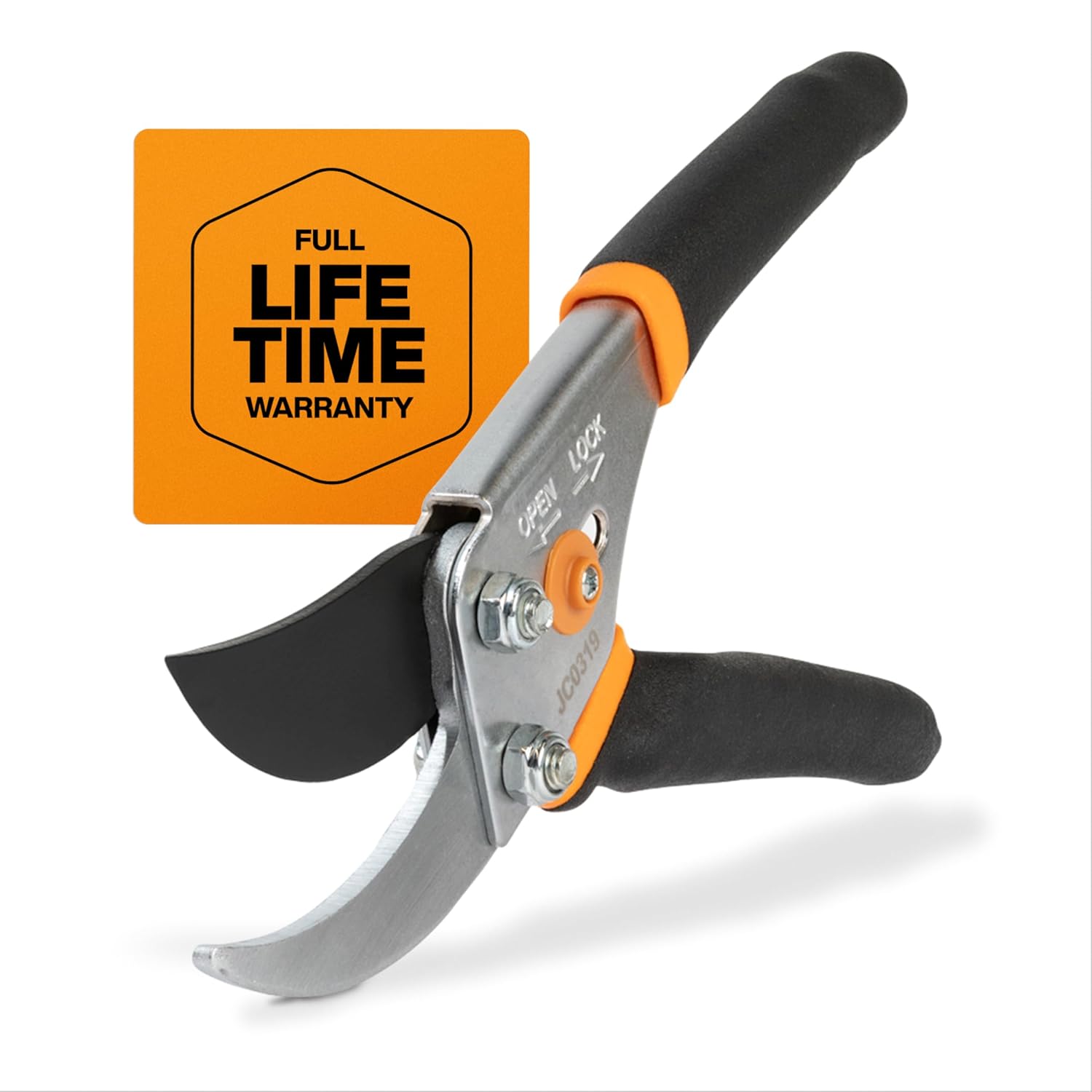
Hand Pruner
Ergonomic Bypass Pruners
~$13Buy
Related hobbies
If Gardening appeals, these share its shape — same kind of pull, different craft.


Frequently asked questions
How much does it cost to start Gardening?
A solid starter setup for Gardening runs about $256 based on our curated picks — that covers the essentials without over-buying. Real spend varies by brand, condition (new vs. used), and what you already own. See the Tools & gear tab for the full itemised list with current pricing.
Is Gardening hard to learn?
Gardening has a genuine learning curve — expect months of regular practice before things feel natural. Early sessions can feel clunky, but that's normal. Most people find the progress itself motivating: there is always a clear next thing to improve. Starting with a structured lesson or class rather than self-teaching makes a meaningful difference in how fast you progress.
What do you actually need to start Gardening?
The Tools & gear tab on this profile lists the recommended starter pick per category with prices and direct links. For a first session, focus on the Essential items only — add the Optional upgrades later if you stick with it. Many beginners borrow or rent before buying anything.
Can you do Gardening completely on your own?
Yes — Gardening is well-suited to solo practice. Most people do it on their own schedule without needing partners, clubs, or group sessions. That makes it easy to fit into a busy week, and your progress is not dependent on others showing up. Community is available if you want it, but it is entirely optional.
Can you try Gardening before committing to it?
Strongly recommended. Look for intro classes, club open days, or single-session rentals — most areas have options. Many gear shops let you demo or rent equipment for a day. Starting with a low-commitment first session before buying anything is the standard advice from people already in the hobby: it tells you whether you actually enjoy it, not just whether you think you will.