

Historical Cooking vs Homebrewing
Side-by-side on feel, cost, and what your week needs to look like — so you can pick Historical Cooking or Homebrewing with your real life in mind, not just the aesthetic.
Historical Cooking and Homebrewing can feel similar on paper, but they ask for different weeks — Historical Cooking suits moderate (occasional supplies / fees), Homebrewing suits significant (regular spend to continue). The clearest personality split is payoff: Hours for Historical Cooking, Months for Homebrewing.
Historical Cooking
Cook from centuries-old recipes the way they were actually made.
Homebrewing
Brew your own beer or cider and pour a pint you made.
Ideal for those who like following detailed instructions to the letter..
Which is right for you?
Choose Historical Cooking if…
- You like being half-detective with a recipe that just says 'cook until done'.
- Tasting exactly what someone tasted four hundred years ago thrills you.
- Sourcing verjuice and grinding your own spice blends sounds like fun.
Choose Homebrewing if…
- Pouring a clear, carbonated pint you made from grain and water is real pride for you.
- You like following a process to the letter, sanitation included.
- You don't mind weeks of waiting on the airlock to learn if it worked.
Experience profile75% overlap
Light
Light
Deep focus
Deep focus
Solo
Solo
Rule-based
Structured
Hours
Months
Light tweaks
Expressive
Depth & mastery
Historical Cooking
Progression · Lifelong craft
Homebrewing
Progression · Gradual mastery
Practical fit
Shaded rows show where they differ.
Sensory & flags
Shared
Before you commit
Historical Cooking
- Eating gluey, bland, or genuinely strange dishes to learn isn't worth it to you.
- You want a recipe with temperatures and amounts, not 'a sufficient quantity'.
- Cross-referencing manuscripts to reconstruct a flavor sounds like homework.
Homebrewing
- A six-hour sticky brew day of hauling hot wort and scrubbing kettles would put you off.
- One overlooked speck souring the whole batch would discourage you.
- You want the payoff now, not after weeks of fermenting in the dark.
Starter gear
What you'll need
Essential kit only — what you actually buy on day one.
Historical Cookbook
Cooking Apicius: Roman Recipes for Today by Sally Grainger
Mortar and Pestle
Thai Stone Granite Mortar and Pestle (8 inch)
Cast Iron Dutch Oven
Lodge Camping Dutch Oven 6 Quart with Lid Lifter
Chef's Knife
Wüsthof Classic 8" Chef's Knife
Beer Starter Kit
Northern Brewer Brew. Share. Enjoy. Starter Kit
Fermenter
FerMonster 6 Gallon PET Carboy with Spigot

Auto-Siphon
Regular 5/16 Auto-Siphon 24 Inch with Tubing
Hydrometer and Test Jar
Tilt Hydrometer Wireless Bluetooth

Bottling Wand
Fermtech ProFiller Bottling Wand

Thermometer
TempPro TP509 Candy Thermometer with Pot Clip
Brew Kettle
Bayou Classic 1064 Stainless 10-Gallon Stockpot
Sanitizer
Five Star Star San 32 oz
Beer Bottles
North Mountain Supply Amber Beer Bottles 12oz (Case of 24)
Bottle Capper
Fastrack Red Baron Bottle Capper
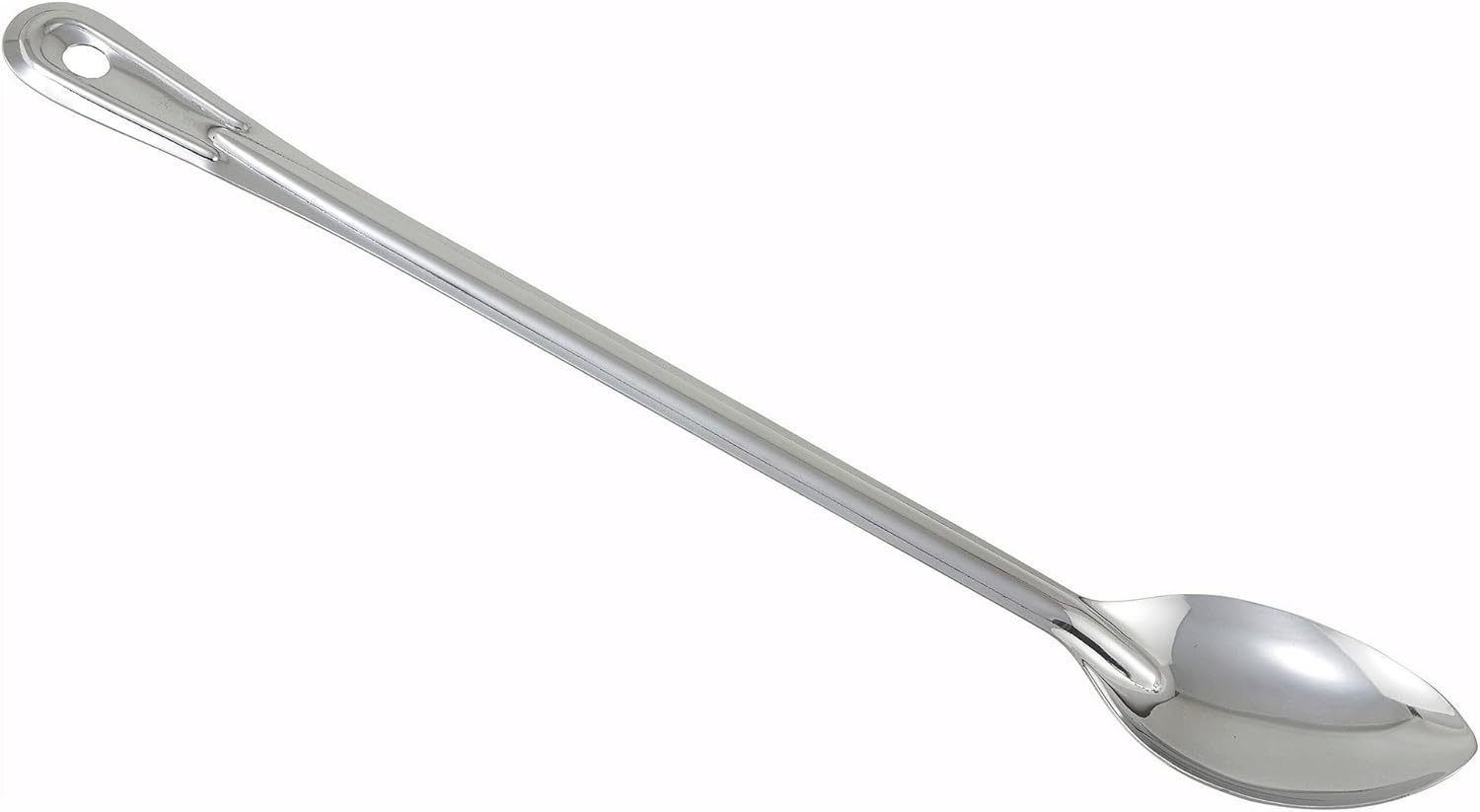
Stirring Spoon
Winco Stainless Steel Mixing Spoon 21 Inch

Cleaning Brush
Holikme Bottle Brush Tube Cleaning Lab
Amazon affiliate links — we earn a small commission at no extra cost to you.
Common questions
Should I pick Historical Cooking or Homebrewing?
How different are Historical Cooking and Homebrewing?
Which is easier for beginners — Historical Cooking or Homebrewing?
Which costs more to start — Historical Cooking or Homebrewing?
Next steps
Still undecided?
Take the quiz — we'll match you to the right hobby for your life.