

Bonsai vs Urban Farming
Side-by-side on feel, cost, and what your week needs to look like — so you can pick Bonsai or Urban Farming with your real life in mind, not just the aesthetic.
Bonsai and Urban Farming can feel similar on paper, but they ask for different weeks — Bonsai suits at home, Urban Farming suits outdoors. The clearest personality split is physical: Still for Bonsai, Moderate for Urban Farming.
Bonsai
Shape a full-grown tree in miniature over years of patient pruning.
Ideal for those who enjoy seeing slow, gradual changes over time.
Urban Farming
Grow real food in small city spaces, balcony to rooftop.
Which is right for you?
Choose Bonsai if…
- You can make one cut and happily wait a whole season to see it.
- Shaping a single tree across years sounds like quiet mastery, not tedium.
- Reading where a tree wants to grow next genuinely interests you.
Choose Urban Farming if…
- Eating a tomato you grew on a fire escape lands harder than any yield.
- You like calibrating your setup to your own particular patch of sky.
- You value the tactile work in a space that wasn't designed for growing.
Experience profile88% overlap
Still
Moderate
Engaged
Engaged
Solo
Solo
Structured
Structured
Months
Months
Open-ended
Expressive
Depth & mastery
Bonsai
Progression · Lifelong craft
Urban Farming
Progression · Gradual mastery
Practical fit
Shaded rows show where they differ.
Activity type
Sensory & flags
Shared
Bonsai only
Urban Farming only
Before you commit
Bonsai
- Losing a tree to overwatering after months of care would wreck you.
- You want visible progress now, not on a timescale of seasons.
- Watching the same juniper barely change for weeks would bore you flat.
Urban Farming
- Hauling soil up stairs and fighting aphids isn't worth a small handful of food.
- Watching half your seedlings damp off and die would demoralize you.
- You have no balcony, rooftop, or sunny corner to work with.
Starter gear
What you'll need
Essential kit only — what you actually buy on day one.
Bonsai Pot
Tinyroots Glazed Ceramic Bonsai Pot 8 inch

Wire Cutters
Tinyroots Bonsai Wire Cutters (Carbon Steel, 210mm)

Concave Branch Cutter
GLOGLOW Forged Manganese-Alloy Concave Cutter 205mm
Bonsai Starter Kit
Eastern Leaf Bonsai Starter Tool Set
Bonsai Soil
American Bonsai Akadama / Pumice / Lava Mix

Bonsai Pruning Shears
Hanafubuki Wazakura Bonsai Scissors (Made in Japan, 180mm)
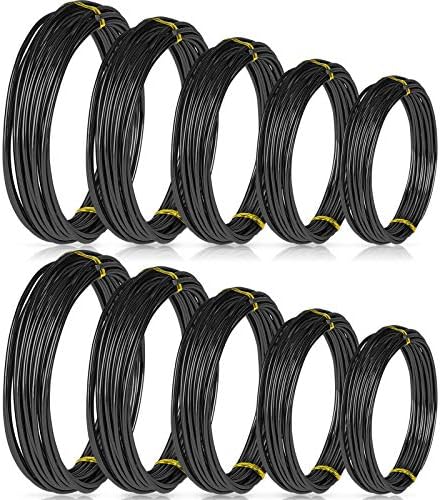
Bonsai Wire
Anodized Aluminium Bonsai Wire — 5-Size Set, 10 Rolls (~164 ft)
Amazon affiliate links — we earn a small commission at no extra cost to you.
Common questions
Should I pick Bonsai or Urban Farming?
How different are Bonsai and Urban Farming?
Which is easier for beginners — Bonsai or Urban Farming?
Which costs more to start — Bonsai or Urban Farming?
Next steps
Still undecided?
Take the quiz — we'll match you to the right hobby for your life.