Best Beginner Hiking Boots 2026: Merrell Moab 3 vs Salomon X Ultra 4
Your first hiking boots need to do three things: not blister you, stay dry on wet trails, and grip technical terrain. The Merrell Moab 3 Waterproof checks all three for around $130. Here are three real boots — a non-waterproof breathable option, the waterproof all-rounder, and a stiffer upgrade for rocky terrain — each with a confirmed Amazon link.
HobbyStack may earn a commission from links on this page at no extra cost to you. Our picks are chosen on merit; the commission helps fund the research.
- Your first hiking shoe needs to not blister you on day one — which means Vibram rubber, a waterproof membrane if you hike wet trails, and a proper fit with a thumb's width at the toe.
- Our pick: Merrell Moab 3 Waterproof (~$130). The consensus first boot across REI, OutdoorGearLab, and CleverHiker — comfortable straight out of the box, Vibram TC5+ outsole, sealed waterproofing.
- Drier climates or runs hot: Merrell Moab 3 (~$100, non-waterproof). The identical shoe, more breathable and faster-drying — the right call if your trails are mostly dry.
- Moving to technical terrain: Salomon X Ultra 4 GTX (~$165). Stiffer midsole, Contagrip outsole that bites harder on rock, Gore-Tex waterproofing — the natural step-up for rocky day hikes and long distances.
- Fit beats brand. Get sized for length and width before buying — hike with the socks you'll actually wear, and try boots in the afternoon when your feet are at their largest.
Why beginner hikers get this wrong
Most first-timers either buy a cheap no-name boot that blisters them off the trail within an hour, or spend $200+ on a mountaineering-grade stiff boot that's overkill for anything short of a multi-day summit attempt. The real sweet spot is the $100–170 range: real hiking-specific traction (Vibram or Contagrip rubber), a proper waterproof membrane (not "water resistant" fabric that soaks through in minutes), and a last — the shape of the sole — designed for uneven terrain rather than pavement.
The other mistake is ignoring fit. Hiking boots aren't running shoes. You need at least a thumb's width between your longest toe and the tip (feet swell on descents), a snug heel that doesn't slip (heel slip causes blisters faster than anything), and no pressure points anywhere. The right boot will feel immediately right. If it doesn't, try a different width or brand.
How we picked
We weighted these on what actually matters to a beginner who's day hiking: out-of-the-box comfort (no extended break-in), traction on dirt and wet rock (Vibram TC5+ and Contagrip MA are the standards), waterproofing (a real Gore-Tex or M-Select DRY membrane, not a coating), weight (lighter is more forgiving for untrained legs), and price-to-durability ratio. All three picks use genuine hiking-specific rubber compounds and have been independently reviewed by OutdoorGearLab and/or CleverHiker, not just ranked by sales volume.
Merrell Moab 3 Waterproof
$130The Merrell Moab 3 Waterproof earns its reputation by being the rare hiking shoe that doesn't need a week of breaking in. The M Select DRY membrane seals the upper against wet grass, stream crossings, and rain without trapping heat the way heavier boots do. Vibram TC5+ rubber on the outsole grips dirt, rock, and roots reliably. The bellows tongue (attached so debris can't sneak in) and a cushioned midsole make multi-hour hikes comfortable without the stiffness of a heavier mountaineering boot. A genuine workhorse first boot — the one most OutdoorGearLab editors recommend to friends who are just starting out. Note: this listing is the men's version; women's version available separately (ASIN B098KKFSQD).
What's good
- Comfortable straight out of the box — minimal break-in
- M Select DRY waterproofing handles wet grass, rain, and light crossings
- Vibram TC5+ outsole grips on wet rock and dirt
- Bellows tongue keeps trail debris out
- Cushioned midsole absorbs impact on long descents
What's not
- Runs slightly narrow — wide-foot hikers should size up or try wide version
- Not a technical alpine boot — no crampon compatibility
- Waterproofing traps heat in summer; non-WP version is better for hot climates
Merrell Moab 3
$100Same DNA as the Merrell Moab 3 Waterproof — same Vibram TC5+ outsole, same last and cushioning, same break-in-free comfort — just without the waterproof membrane. That makes it 10–15% lighter and significantly more breathable on hot summer days, and if you do get soaked, it dries faster than a sealed boot. For hikers in dry climates (the Southwest, Southern California, summer in the Rockies) or anyone who runs hot, this is the smarter buy. The $30 you save over the waterproof version pays for a pair of trail gaiters that keep debris out better than the membrane keeps rain out anyway.
What's good
- Identical Vibram TC5+ outsole to the Waterproof version
- More breathable — significantly cooler on hot summer hikes
- Lighter than the waterproof version
- Dries faster when soaked than a sealed boot
- Same proven comfort straight out of the box
What's not
- Not waterproof — wet trails and stream crossings will soak through
- Mesh upper is less durable than leather uppers over rough terrain
- Not the right pick for Pacific Northwest, fall/spring hiking, or rainy climates
Salomon X Ultra 4 GTX
$165The Salomon X Ultra 4 GTX sits between a trail runner and a hiking boot — lighter than a traditional mid-cut leather boot but more supportive and protective than a soft trail shoe. Gore-Tex waterproofing is fully sealed and more durable than Merrell's M Select DRY. Contagrip MA rubber is a harder compound than Vibram TC5+, which means it edges better on exposed rock — the difference you feel on granite and shale. The chassis underfoot provides torsional rigidity that prevents ankle fatigue on long days. If your trails involve sustained rocky terrain, loose scree, or 15+ mile days, this is the boot to grow into.
What's good
- Gore-Tex waterproofing — more durable seal than most competitors
- Contagrip MA outsole edges on exposed rock better than soft compounds
- Supportive chassis reduces ankle fatigue on long days
- Lighter than traditional mid-cut leather boots
- More protective and stiffer than trail runners on technical terrain
What's not
- Stiffer — not as immediately comfortable out of the box as the Moab 3
- More expensive than the Merrell options
- Overkill for easy-to-moderate day hiking on well-maintained trails
Wear your new boots around the house and on short walks for 2–3 days before taking them on a real trail. Hiking boots are stiffer than running shoes — skipping break-in is the single biggest cause of beginner blisters, especially on the heel. The Merrell Moab 3 is unusually comfortable from day one, but still worth a day or two of neighborhood walks before a 10-miler.
Before you buy
Size up half a size — your feet swell on long hikes (especially on descents). You want at least a thumbnail's width between your longest toe and the boot tip.
Always try boots with the hiking socks you'll actually wear. Thick wool socks change the fit significantly from the thin socks you might wear to a store.
Check for heel slip in the store: lace up snugly and walk downhill (use a ramp or slope). A heel that lifts more than 3–4mm will cause blisters on descents.
Waterproof vs non-WP: if you hike in the Pacific Northwest, spring conditions, or do stream crossings — waterproof. If you're in the desert Southwest or hike in summer — the breathable version is cooler and dries faster.
Break them in over 3–5 short sessions before a long hike. Even comfortable boots have friction points that only reveal themselves after an hour on the trail.
Common questions about beginner hiking boots
Do beginners really need hiking boots vs trail runners?
How much should a beginner spend on hiking boots?
Waterproof or non-waterproof hiking boots?
How long do hiking boots last?
Low-cut vs mid-cut hiking boots?
How do I know if hiking boots fit correctly?
The Merrell Moab 3 Waterproof is the right first hiking boot for most beginners — proven, comfortable from day one, and built to last. If your trails are dry and hot, the non-WP version is the smarter buy. When you start logging technical terrain or bigger mileage, the Salomon X Ultra 4 GTX is the natural step-up.
The HobbyStack editorial team researches each guide using practitioner communities, published resources, and direct input from active hobbyists. Every guide is reviewed for accuracy before publication and updated when practices change.
About our editorial process →More gear guides
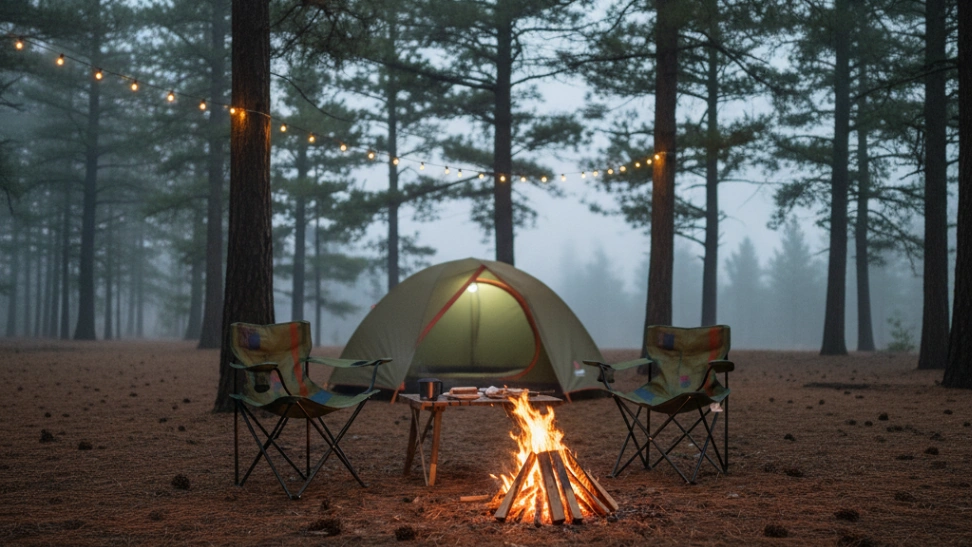
Best Beginner Camping Tent 2026: Coleman Sundome vs REI Wonderland vs Big Agnes Big House
The first tent makes or breaks whether you stick with camping. Buy a cheap pop-up and you'll quit by the second wet weekend. Buy a real tent for $100-450 and you'll camp for decades.
Best Beginner Fishing Rod and Reel Combo 2026: Spinning Setups That Just Work
For your first setup, a matched spinning rod-and-reel combo is the right call — it's pre-balanced, forgiving to cast, and gets you fishing without choosing parts you don't understand yet. Here are three combos that punch above their price, from a near-indestructible classic to a saltwater-ready upgrade.
Best Beginner Mirrorless Camera 2026: Canon EOS R50 vs Sony ZV-E10 II
The best beginner mirrorless camera teaches you photography, not menus. It needs reliable autofocus, a grip that makes sense, and enough image quality to reward good technique. The Canon EOS R50 with its kit lens is the right camera for most people who are just starting out. Here's why — and who should buy something different.
Best Mountain Bike Knee Pads for Beginners
Once your trails get real features, knee pads are the highest-value protection you can add — knees hit the ground and the bike most often. Modern flexible pads are comfortable enough to forget you’re wearing them. Here are three, how we chose them, and what to expect.
Best Hydration Packs for Mountain Biking
Once rides get longer than a quick loop, you need water you can drink without stopping — plus room for a spare tube, tools, and a snack. A hydration pack carries it all hands-free. Here are three, how we chose them, and what to expect.
Best Mountain Bike Gloves for Beginners
Gloves are the cheapest, most useful thing to add after a helmet: better grip, less vibration, and saved skin when (not if) you go down. Full-finger, always, for trail riding. Here are three worth pulling on, how we chose them, and what to expect.