Best Golf Balls for Beginners: Soft, Straight, and Cheap to Lose
Beginners lose a lot of golf balls — so the best beginner ball is soft, straight, and inexpensive, not the $55-a-dozen tour ball the pros play. Here is what to put in your bag, how we chose, and what to expect.
HobbyStack may earn a commission from links on this page at no extra cost to you. Our picks are chosen on merit; the commission helps fund the research.
- Beginners should play soft, low-compression balls — they feel good, fly straight, and cost a fraction of tour balls.
- The Callaway Supersoft is the value favourite; the Titleist TruFeel is the soft, branded step up.
- Save the Titleist Pro V1 until your shots are consistent enough to actually feel the difference — and until you stop losing a sleeve a round.
- Low compression suits the slower swing speeds most beginners have, helping distance and feel.
- Buy by the dozen (or more) and do not get attached — early on, balls go in the water and the woods.


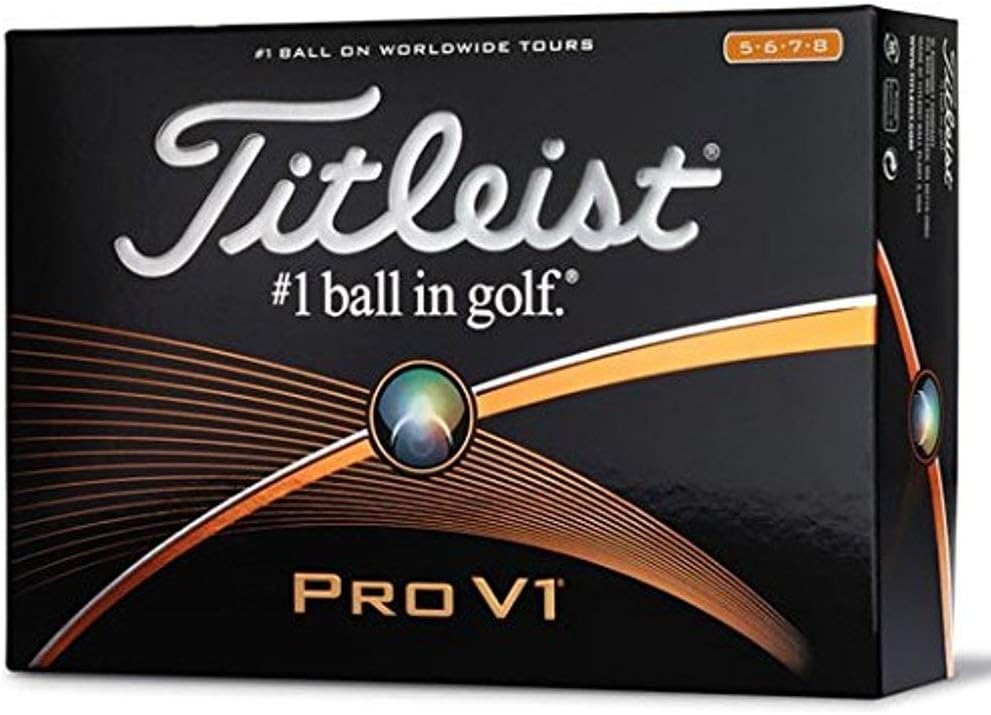
Why beginners should not play tour balls yet
The Titleist Pro V1 is a brilliant ball — and the wrong first purchase. Premium tour balls are built around high spin and feel that only matter once you can reliably control your shots, and they cost three to four times as much as a beginner ball. Early on you will lose balls by the sleeve to water, trees, and out-of-bounds, and there is no faster way to make golf feel expensive than fishing $4 balls out of a pond.
A soft, low-compression ball gives a developing swing everything it can use — good distance, a soft feel off the putter, and straighter flight — for a third of the price. Play those until both your consistency and your ball-retention improve.
How we picked
We chose balls for the golfer you are now, not the one you hope to be. Low compression: balls that squash easily at slower swing speeds, so you get distance and a soft feel without needing tour-level clubhead speed. Straight, forgiving flight: less side-spin means fewer shots curving into trouble — exactly what a developing swing needs. Price you won’t resent losing: because you will lose plenty, the value matters as much as the performance. We included a tour ball at the top not as a beginner buy but as the thing to graduate to, so you know what “better” looks like and when it is actually worth it.
 Best value ball
Callaway Supersoft (Dozen)
$25The beginner value champion, and the ball most new golfers should put in the bag. Its very low compression (around 35) squashes easily even at slower swing speeds, so you get genuinely good distance and a soft, pleasant feel off every club without needing a fast swing to "activate" it. The flight is straight and forgiving — less side-spin means fewer shots curving into the trees — and the price is low enough that losing a few barely stings. It gives up some greenside spin and shot-shaping control versus a tour ball, but neither of those matters while you are still finding the fairway.
What's good
- Very soft feel and easy distance
- Straight, forgiving flight
- Inexpensive — buy plenty
- Suits slower swing speeds
What's not
- Less greenside spin than a tour ball
- Not built for shot-shaping control
- Cover less durable than premium
 Best feel for the price
Titleist TruFeel (Dozen)
$28The best-feeling ball in the value tier, and a great everyday gamer as you improve. Titleist’s softest ball pairs a low-compression core for easy distance with a thinner, reformulated cover that gives noticeably better feel and a touch more control around the greens than most budget balls — without the Pro V1 price. It is the ball to choose if you want that crisp Titleist feel off the putter and a little more shot feedback while still keeping things straight and affordable. It costs slightly more than the Supersoft and still is not a high-spin tour ball, but for the money the feel is excellent.
What's good
- Excellent soft feel for the money
- A little more greenside control than basic balls
- Trusted Titleist quality
- Straight, forgiving flight
What's not
- Slightly pricier than the Supersoft
- Still not a high-spin tour ball
- Marginal gains a beginner may not notice
 Best (when you are ready)
Titleist Pro V1 (Dozen)
$55The ball the pros play — and the one to graduate to, not start with. The Pro V1’s urethane cover delivers high greenside spin and drop-and-stop control on approach shots, with low spin off the driver for distance, the combination that makes it the most-played ball in professional golf. The catch is that you only feel those benefits once your contact is consistent enough to impart and control spin — on a beginner’s strike, the performance is largely wasted, and at three to four times the price of a beginner ball, losing them genuinely hurts. Buy it when your ball-striking is reliable and you have stopped losing a sleeve a round; until then, it is aspiration, not equipment.
What's good
- Best-in-class greenside spin and control
- Tour-validated all-round performance
- The ball to aspire to
- Durable urethane cover
What's not
- Three to four times the price of a beginner ball
- Benefits wasted on inconsistent contact
- Expensive to lose while learning
While you are still spraying shots, there is no shame in playing “lake balls” (recovered, refurbished balls sold cheaply by the bucket) or balls you find on the course. They perform fine for a beginner and cost almost nothing — so losing one to the water stings a lot less. Save fresh premium balls for when you stop losing them.
What to expect
For your first season, golf balls are a consumable, not a prized possession — plan to lose several a round to water, trees, and out-of-bounds, and price your buying accordingly. The good news is you genuinely will not be giving anything up by playing a soft value ball; at your swing speed it goes just as far and feels great. As you improve you may start to notice a ball checking up on the green or feeling softer off the putter, which is the moment a step up like the TruFeel starts to earn its keep. The Pro V1 reveals itself even later — once your strike is consistent enough to control spin. A practical tip: play one model consistently so you learn how it behaves, and consider coloured or matte balls early on because they are far easier to spot in the rough.
Beginners often agonise over which ball to play — it is the wrong thing to optimise. At a developing swing speed and strike consistency, the difference between a good value ball and a tour ball is far smaller than the difference one lesson would make. Pick a soft, cheap ball, stop thinking about it, and put your energy (and money) into your swing.
Before you buy
Choose soft, low-compression balls — they suit slower swings and feel great.
Buy by the dozen (or in bulk) and expect to lose plenty early on.
Skip tour balls like the Pro V1 until your contact is consistent.
Coloured or matte balls are easier to find in the rough — a practical beginner perk.
Consider refurbished “lake balls” while you are still losing several a round.
Golf ball questions
What golf balls are best for beginners?
Should a beginner play the Titleist Pro V1?
What does golf ball compression mean?
How many golf balls should I buy?
Do coloured golf balls perform differently?
Does the golf ball really matter for a beginner?
Play a soft, low-compression ball and do not overthink it. The Callaway Supersoft is the value pick that suits almost every beginner; the Titleist TruFeel is the soft, branded step up. Leave the Pro V1 for when your contact is consistent and you have stopped losing a sleeve a round — and feel free to play cheap refurbished balls until then. Put the money you save toward a lesson.
The HobbyStack editorial team researches each guide using practitioner communities, published resources, and direct input from active hobbyists. Every guide is reviewed for accuracy before publication and updated when practices change.
About our editorial process →More gear guides
Best Beginner Golf Club Sets: Complete Boxed Sets That Won’t Hold You Back
A complete boxed set is the smartest first golf purchase there is — every club you need, built to forgive the mishits beginners actually make, for far less than buying clubs one at a time. Here are the three sets worth your money, how we chose them, and what to expect.
Best Golf Bags for Beginners: Carry, Stand, and Cart
Your starter set probably came with a bag, but it’s often heavy and basic. If you walk the course, a lighter stand bag transforms the round. Here are three, how we chose them, and what to expect.
Best Golf Gloves for Beginners: Fit, Material, and Which Hand
A glove is the cheapest piece of golf gear that helps every single swing — better grip, fewer blisters. Worn on your lead hand only. Here are three worth pulling on, how we chose them, and what to expect.
Best Golf Rangefinders for Beginners
A rangefinder gives you the exact yardage to the flag, which speeds up play and sharpens your club selection once you know your distances. It’s a luxury, not a necessity — but a good-value one delivers most of a premium model’s usefulness. Here are three, how we chose them, and what to expect.
Best Beginner Recurve Bow 2026: Samick Sage vs PSE Razorback vs Bear Grizzly
Takedown recurves are the right beginner archery purchase — swappable limbs grow with your strength, the skills build fundamental archery technique, and the picks here have been the standard for years.
Best Beginner Mirrorless Camera 2026: Canon EOS R50 vs Sony ZV-E10 II
The best beginner mirrorless camera teaches you photography, not menus. It needs reliable autofocus, a grip that makes sense, and enough image quality to reward good technique. The Canon EOS R50 with its kit lens is the right camera for most people who are just starting out. Here's why — and who should buy something different.