Woodworking Tools
Starting woodworking can feel like stepping into a workshop filled with a thousand tools, and knowing where to begin is crucial. Forget the fancy, professional-grade equipment for now; this guide cuts through the noise to focus on what *you* actually need to turn that first plank of wood into something tangible. We’re talking about the essential hand tools and foundational power tools that let you learn the basics safely and effectively, without breaking the bank. Many beginners get caught up buying every gadget they see, only to find they rarely use half of it. We’ll help you avoid that mistake by prioritizing practical, durable tools that serve multiple purposes and grow with your skills. Get ready to build with confidence.
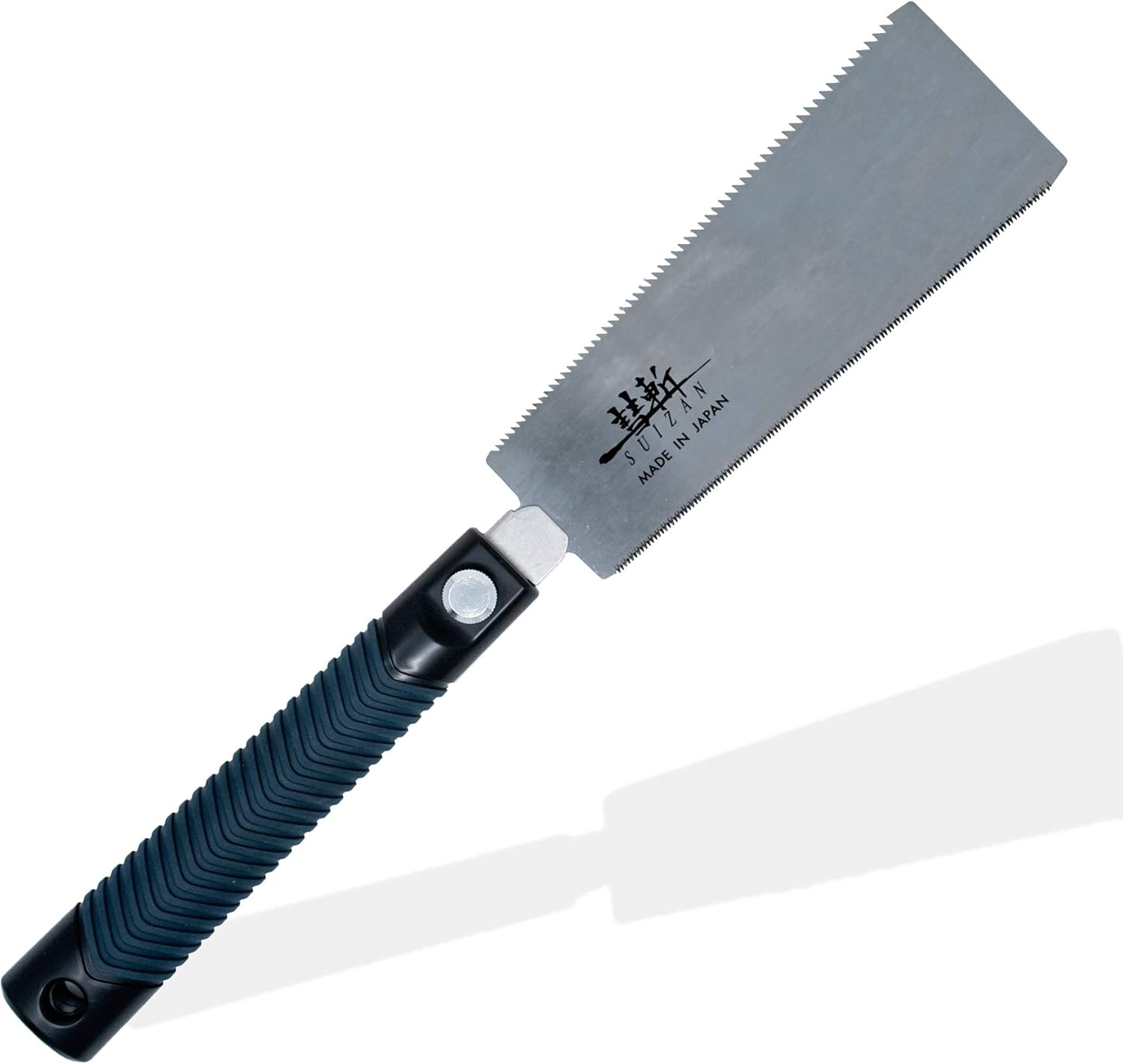
Hand Saw
A reliable hand saw is the cornerstone of any woodworking toolkit, essential for making straight cuts to size lumber and shaping pieces accurately.


Common Beginner Woodworking Tool Mistakes
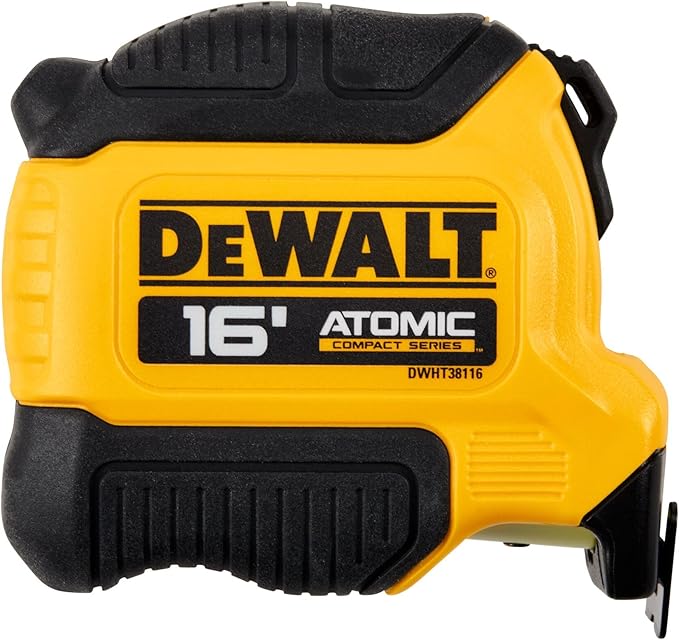
Measuring Tape
Accurate measurements are non-negotiable in woodworking; a quality measuring tape ensures your cuts and assemblies are precise.


When to Upgrade Your Tools
Clamps
Clamps are vital for holding pieces securely during gluing, assembly, and cutting, ensuring stability and accuracy.


Hand Tools vs. Power Tools for Starters
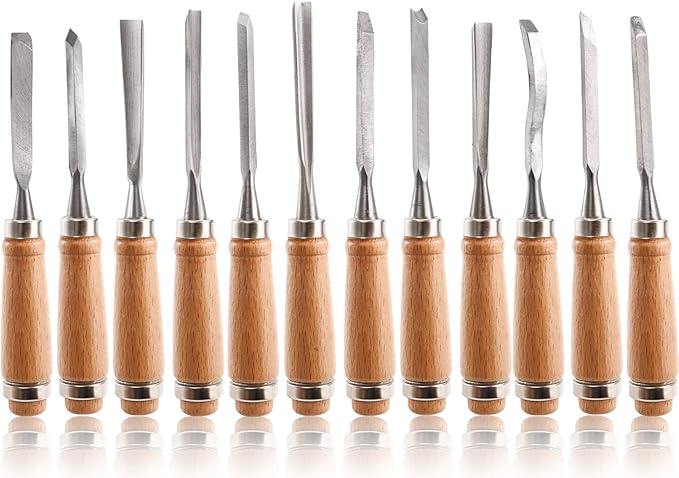
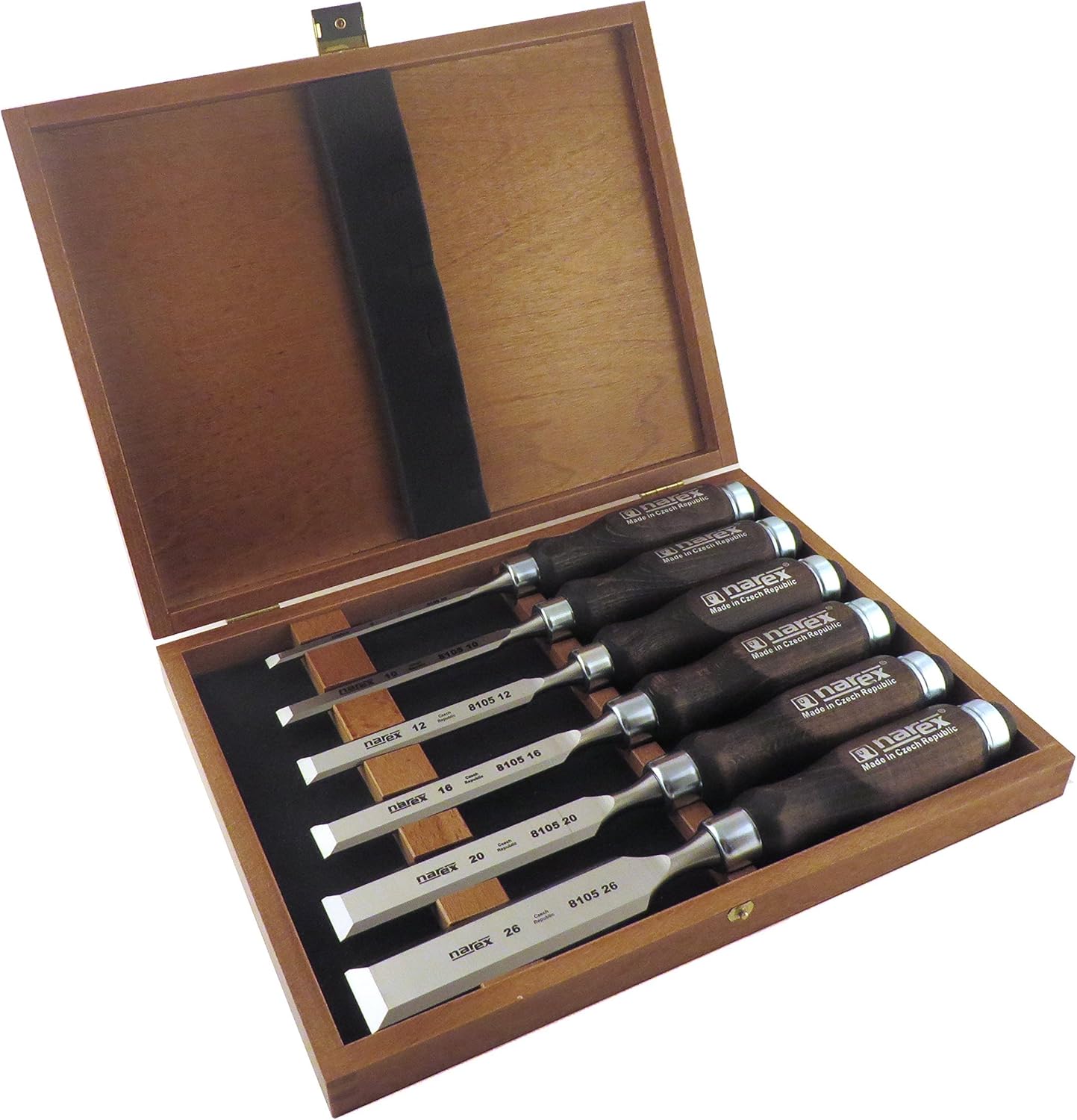
Chisels
Wood chisels are indispensable for paring, shaving, and chopping wood with precision, enabling detailed work and joinery.

Safety Glasses
Eye protection is paramount in woodworking; safety glasses shield your eyes from flying debris and dust.


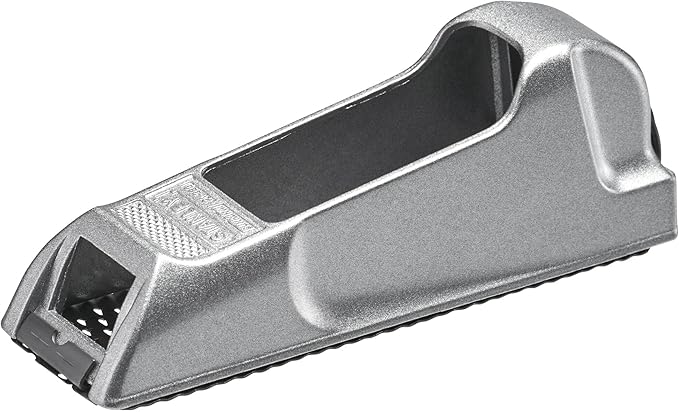
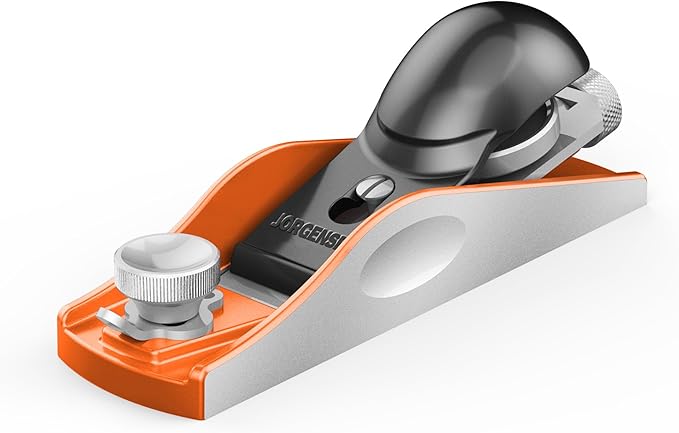
Block Plane
A block plane is a compact hand plane used for small tasks like chamfering edges, trimming end grain, and fitting joints.

Orbital Sander
An orbital sander dramatically speeds up the finishing process, smoothing surfaces efficiently and preparing them for stain or paint.


DEWALT 20V MAX XR 5 in. Cordless Random Orbital Sander
Powerful cordless orbital sander with smooth finish capability and long battery life ideal for expanding toolkits.
Equipment Intelligence.
Maintenance & Logistics