Thru-hiking Tools
Alright, you're thinking about thru-hiking. This isn't a casual weekend trip; it's an expedition that will push your limits and redefine your relationship with the outdoors. The gear you carry isn't just equipment; it's your lifeline, your shelter, and your comfort for thousands of miles. Forget the fluff and marketing hype – what you need are reliable tools that perform under pressure. This guide cuts through the noise, focusing on the essential gear that seasoned thru-hikers trust. We'll cover everything from your shelter to your sleep system, ensuring you invest in quality that won't fail when you're days from the nearest town. Get this right, and you're setting yourself up for success on the trail.
Backpack
Your backpack is your mobile home, carrying all your essentials. Its capacity, weight, and fit are paramount for comfort and endurance over long distances.


Common Thru-Hiking Gear Mistakes
Tent
Your shelter protects you from the elements and provides a crucial private space. It needs to be lightweight, durable, and easy to set up in any condition.


When to Upgrade Your Gear
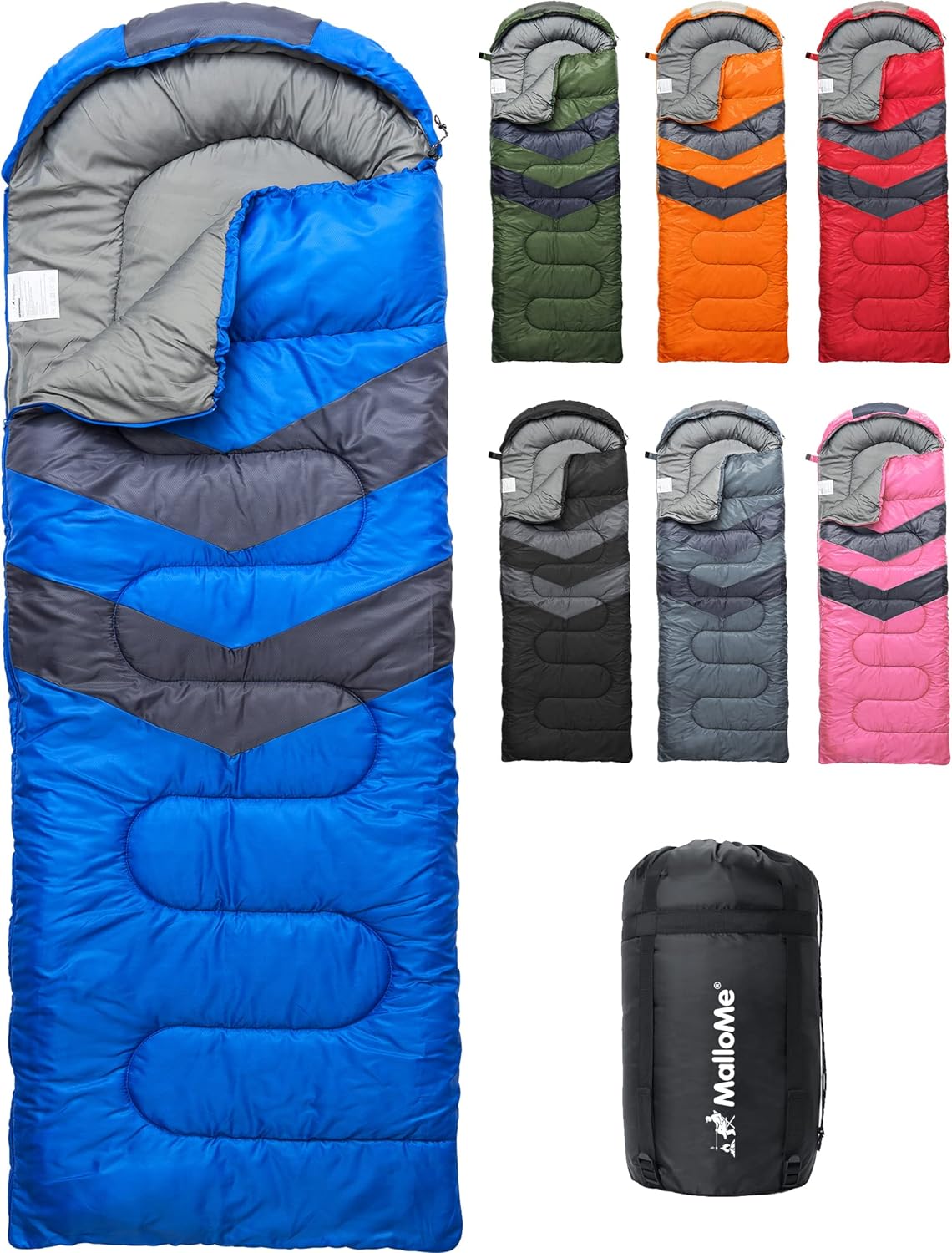
Sleeping Bag
Essential for warmth and recovery, your sleeping bag's temperature rating and weight are critical for comfortable nights on the trail.


Essential vs. Optional Gear: Prioritizing Your Budget
Sleeping Pad
Insulation from the ground and cushioning for sleep. A good sleeping pad is as important as your sleeping bag for temperature regulation.


Water Filter
Ensuring access to safe drinking water is non-negotiable. Filters are lightweight, reliable, and remove harmful bacteria and protozoa.


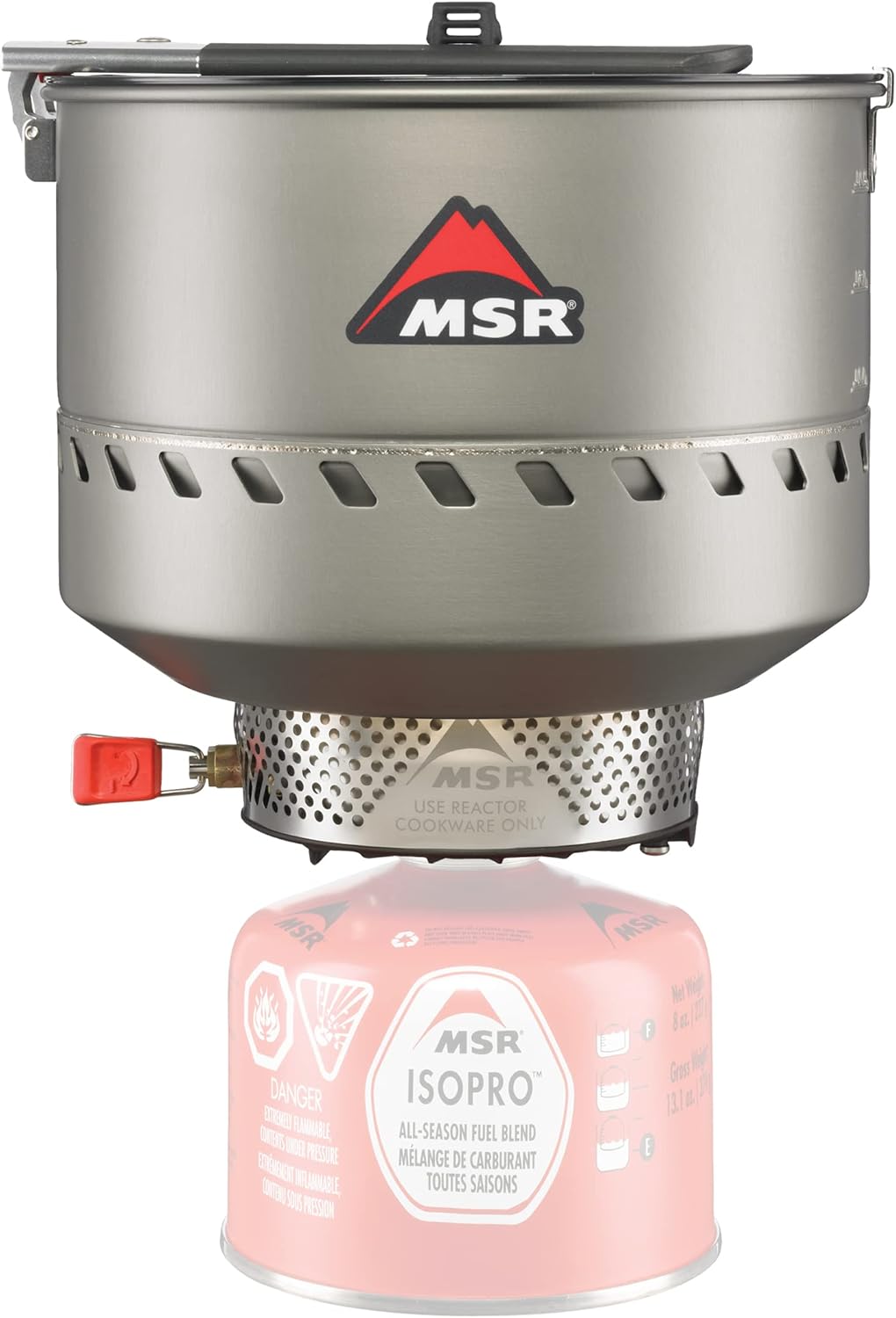
Stove System
For cooking warm meals and boiling water, a reliable stove is vital. Lightweight and fuel-efficient options are key for thru-hiking.


Headlamp
Essential for navigating, setting up camp, and moving in the dark. Brightness, battery life, and weight are key considerations.


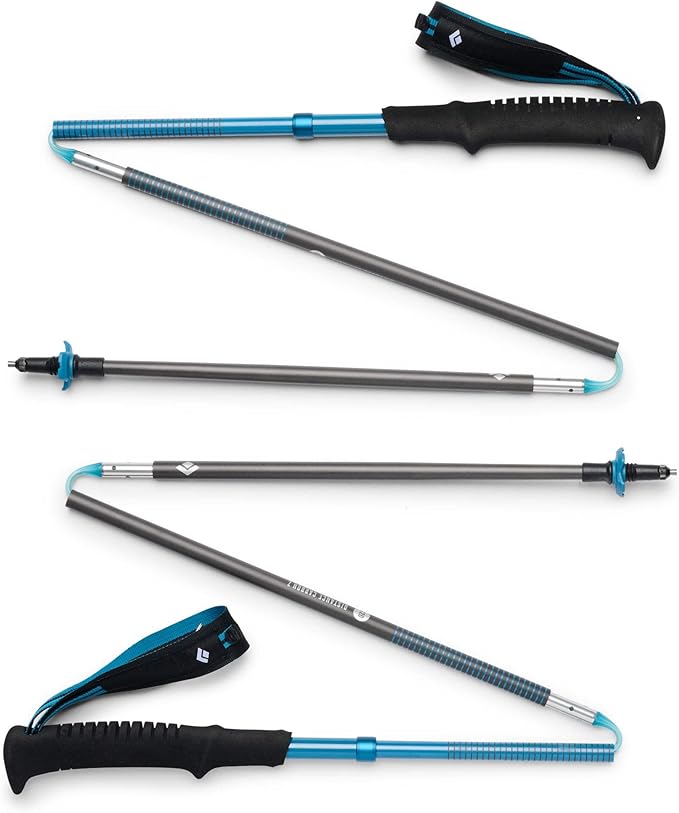
Trekking Poles
Reduce strain on your knees and improve balance on challenging terrain. Lightweight and durable poles are a game-changer.


Navigation Device
While maps and compass are essential, a GPS device or satellite communicator adds a layer of safety and navigation ease.


Equipment Intelligence.
Maintenance & Logistics