Sculpting for Beginners: How to Get Started
A complete guide to three-dimensional art — materials, tools, techniques, and what to focus on before spending money on equipment you do not need yet.
Sculpting is one of the most direct creative acts there is. You start with a material and remove, add, or rearrange it until something exists that did not before. Unlike drawing or painting, you work in three dimensions from the beginning, which changes how you think about form, proportion, and space. The barrier to entry is lower than most people assume, and the right starting material can be bought for under twenty dollars.
What Sculpting Actually Involves
Sculpting is the practice of creating three-dimensional forms from raw materials. The material can be almost anything: clay, wax, stone, wood, wire, foam, resin, or polymer clay. The process can be additive (building up from nothing), subtractive (carving away from a block), or both at once depending on the material and approach.
What separates sculpting from other visual arts is that you are always thinking about the object from every angle simultaneously. A painting has a fixed viewing point. A sculpture exists in space and has to work from the front, the side, the back, and from below. Developing this spatial awareness is a large part of what the early learning curve is about.
The range of what counts as sculpting is wider than most beginners realise. Carving a figurine from polymer clay at a kitchen table is sculpting. So is chiseling marble in a studio, casting bronze, or building a large-scale steel armature. You do not need professional equipment or expensive materials to make serious work. Most great sculptors started with the cheapest material available to them.
Types of Sculpting to Explore
[object Object],[object Object],[object Object],[object Object],[object Object],[object Object]
Start with polymer clay. A $15 starter pack of Sculpey III and a few basic tools is enough to begin learning form, proportion, and surface texture. You can bake your results in a kitchen oven, the material is forgiving of mistakes, and the investment is low enough that getting it wrong costs nothing. Once you know what kind of sculpting interests you, then consider more specialised materials.
Basic Gear You'll Need
The non-negotiables — you need these before your first session. No upsell here, just what actually matters to get started safely.


Worth it once you're committed. These items meaningfully improve your experience and are often bought within the first few months.
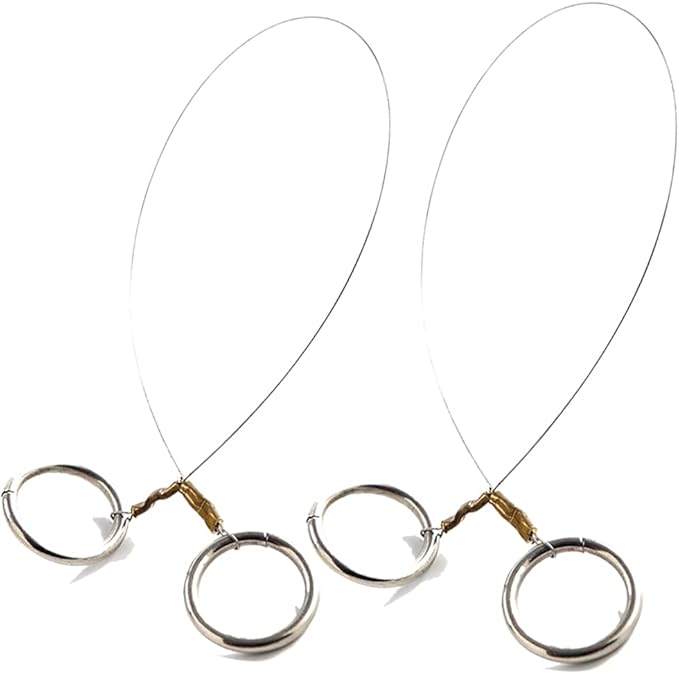
Modeling Tools for Smoothing

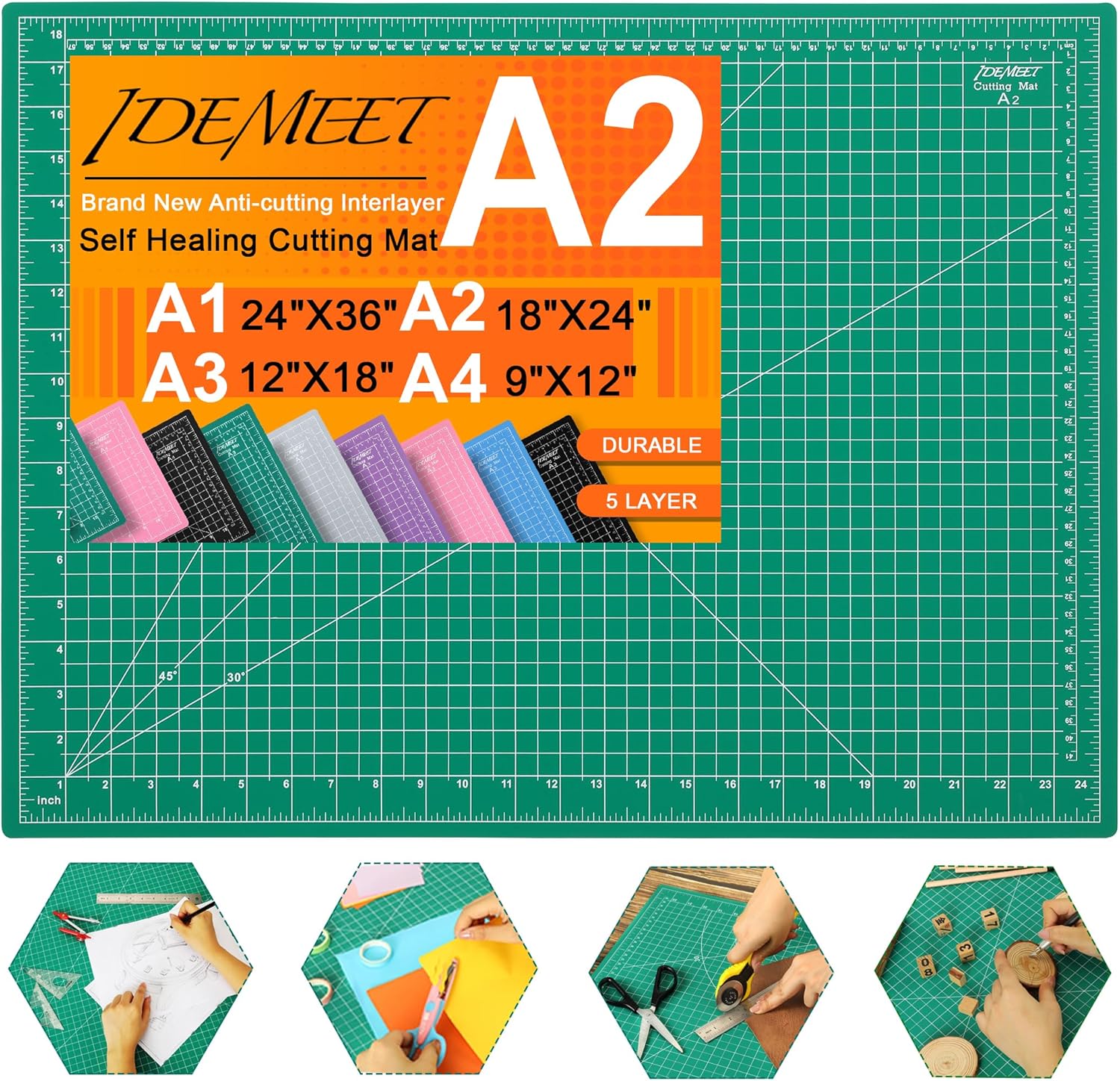
Interactive Buyer's Guide
Compare all tiers, track what you own, see your full budget.
How to Get Started Step by Step
Pick one material and stick with it
Do not spread across materials early. Pick polymer clay or air-dry clay and stick with it long enough to actually learn its behaviour before moving on.
Start with simple forms
Spheres, cylinders, and cones are the building blocks of every sculpture. Practice making clean, consistent basic shapes before attempting complex subjects.
Sculpt from reference
Use photos or physical objects as references. Sculpting from imagination is harder than it sounds because your brain fills in detail your hands cannot reproduce without guidance.
Build armatures for larger pieces
Any sculpture taller than 4 inches needs an internal wire skeleton to support the material and prevent drooping or cracking during construction.
Work in layers
Build up mass first, then refine shapes, then add surface detail last. Trying to detail too early wastes time on forms that will change anyway.
Finish and display
Sand, paint, or seal your finished piece. Even a basic acrylic paint job transforms a raw sculpture. Photographing your work from the start is worth the habit.
What to Expect in Your First Session
Here's what typically happens when you start — and why it's useful information, not failure.
Proportions will be off. The human brain is very good at detecting when a face or figure looks wrong but much less good at identifying exactly why. Your first few figurative attempts will look slightly off in ways you cannot immediately pinpoint. This is normal and corrects itself with practice and reference use.
The material behaves unexpectedly. Polymer clay from a cold room is stiff and resistant. Oil clay is dense and unresponsive until warmed. Every sculpting material has a temperature and moisture range where it works well. Finding that range is part of your first session.
Details are tempting too early. The impulse to add eyes, texture, and surface detail before the underlying form is solid is nearly universal among beginners. Resist it. Detail applied over a weak form still looks wrong.
It is more meditative than expected. Once you get past initial frustration, sculpting produces a focused, quiet state of attention that many people find genuinely restorative. The physical engagement of working with your hands seems to quiet other thoughts in a way screen-based hobbies do not.
Your first finished piece will feel significant. Even a simple, imperfect sculpture that you made with your own hands has a different quality to it than any image on a screen. Most beginners keep their first pieces for years.
Beginner Tips That Actually Help
Rotate your sculpture constantly
The single most common beginner mistake is sculpting from one angle and neglecting the others. Check your piece from the front, side, back, and top every few minutes. Problems that are invisible from one angle are obvious from another. A turntable makes this habit easier to maintain.
Use reference at every stage
Professional sculptors use reference constantly. There is no shame in working from photos, anatomical references, or physical objects. Sculpting from imagination without reference produces consistently weaker results until you have years of observation stored. Build the reference habit from the start.
Warm your clay before working
Cold polymer clay and oil clay are stiff and crack when pushed. Knead it with your hands for a few minutes before starting, or place it under a warm lamp briefly. Clay at working temperature responds completely differently from cold clay and is far easier to control.
Work large to small
Establish the overall silhouette and major masses before working on any detail. A sculpture with a strong silhouette reads well from across a room. A sculpture with intricate detail but a weak silhouette only looks good up close. The silhouette is the foundation everything else builds on.
Photograph your progress
Photos reveal things your eye misses when you are close to a piece. Taking a photo and reviewing it on a screen gives you a fresh perspective on proportions and problem areas. Many sculptors photograph work in progress specifically to catch errors they cannot see in person.
Sharpen your tools regularly
Dull carving tools tear rather than cut, which damages the material and makes control impossible. A sharp blade removes material cleanly and predictably. For stone and wood carvers especially, tool sharpening is a skill worth learning early and doing consistently.
Common Questions Answered
- Do I need formal art training to start sculpting?
No. Most sculptors are self-taught or learned through informal instruction and observation. A basic understanding of proportion and form helps, but both can be developed through practice rather than formal study. Starting with simple subjects and working from reference builds these skills faster than any class for most people.
- What is the best material for a complete beginner?
Polymer clay for most people. It is cheap, widely available, hardens in a kitchen oven, and comes in enough variety to suit different types of work. If you are specifically interested in larger figurative work or character design, Monster Clay is worth the small additional cost once you have the basics down.
- How long does it take to make a finished sculpture?
Completely dependent on size, material, and complexity. A small polymer clay figurine might take 4 to 10 hours of work spread over a few sessions. A stone carving of similar size might take 20 to 40 hours. A detailed character bust in oil clay can take 30 to 80 hours for an experienced sculptor. Beginners should expect to work slowly and plan for pieces to take longer than they anticipate.
- Can sculpting lead to professional work?
Yes, through several routes. Character and creature sculpting for film, games, and toys is a professional field. Jewellery design often involves sculpted originals used as casting masters. Fine art sculpture is exhibited and sold through galleries. Digital sculpting is a standard skill in the games and animation industries. The professional paths exist but require years of dedicated development to reach a competitive level.
- Is digital sculpting worth learning alongside physical sculpting?
They complement each other well but are genuinely different skills. Physical sculpting develops tactile sensitivity and spatial thinking in ways that digital work does not replicate fully. Digital sculpting offers undo functionality, scale flexibility, and direct 3D printing output. Many professionals work in both. For a beginner, start with one and add the other once you have a foundation in three-dimensional thinking generally.
- What subjects should I sculpt as a beginner?
Simple geometric objects first, then organic forms like fruit or hands, then faces. Faces are the most demanding subject in figurative sculpting because viewers are extraordinarily sensitive to facial proportions. Working up to faces through simpler subjects builds the spatial reading skills you need before tackling them. Animals are a good intermediate subject between abstract forms and human figures.