Pyrography Tools
Pyrography tools might seem straightforward – a hot pen, right? Wrong. While the core concept is simple, the tools you choose dramatically impact your creative journey, from the subtle shading you achieve to the sheer frustration (or joy!) you experience. Forget about those cheap, flimsy craft store pens; they’ll barely get hot enough to scorch paper, let alone create beautiful wood grain effects. This guide cuts through the noise to get you the right gear from the start, focusing on reliable tools that offer control and longevity. We’re talking about the difference between a beginner’s struggle with inconsistent heat and an artist confidently producing deep, rich burns. Let's get you set up with tools that actually work with you, not against you.
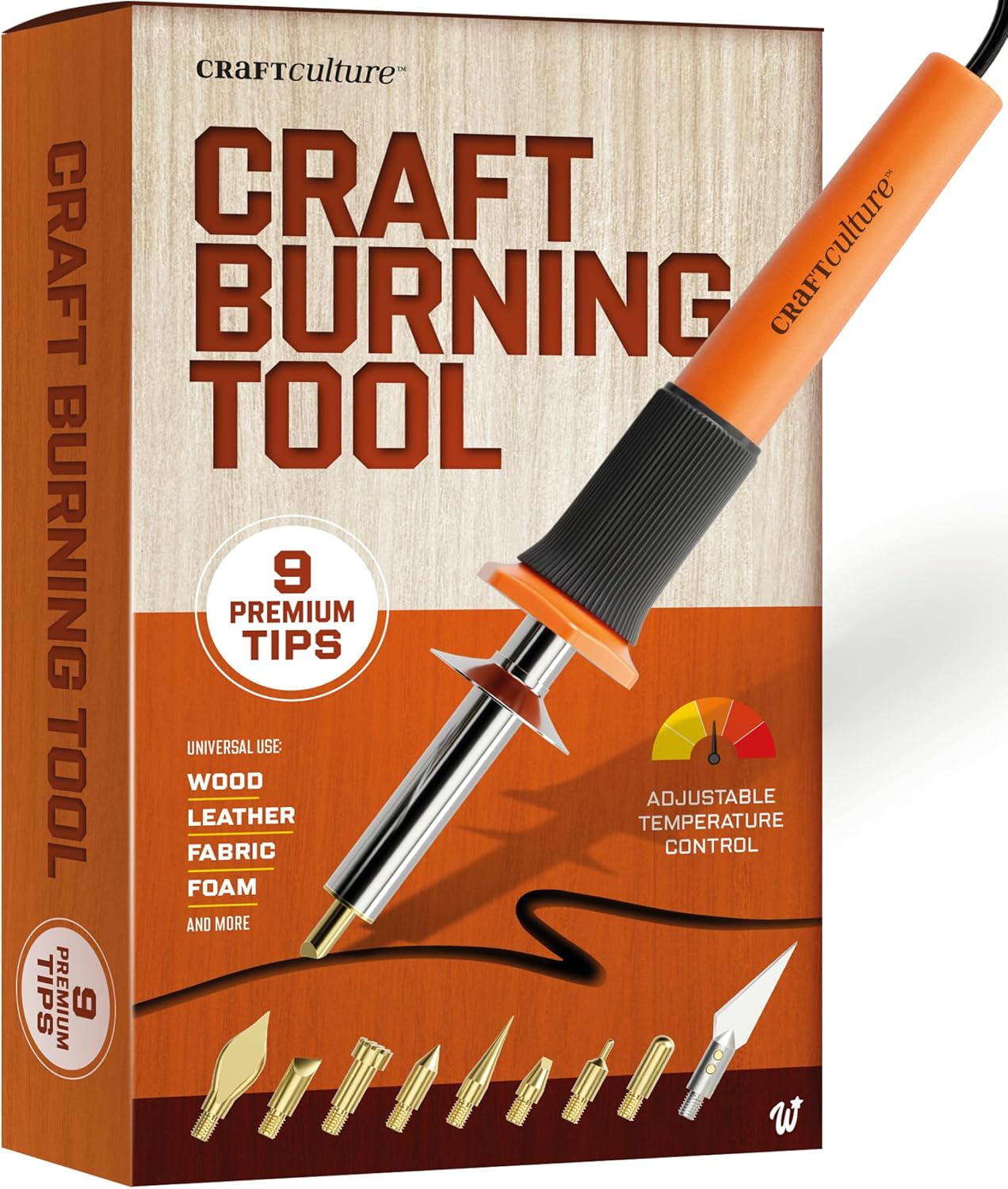
Pyrography Pen
The primary tool for wood burning, these pens transfer heat to interchangeable tips to create various marks.


Common Beginner Pyrography Mistakes
Wood Surface Preparation
Preparing your wood surface is crucial for clean burns and preventing unwanted scorching or unevenness.


Choosing Your First Pyrography Pen
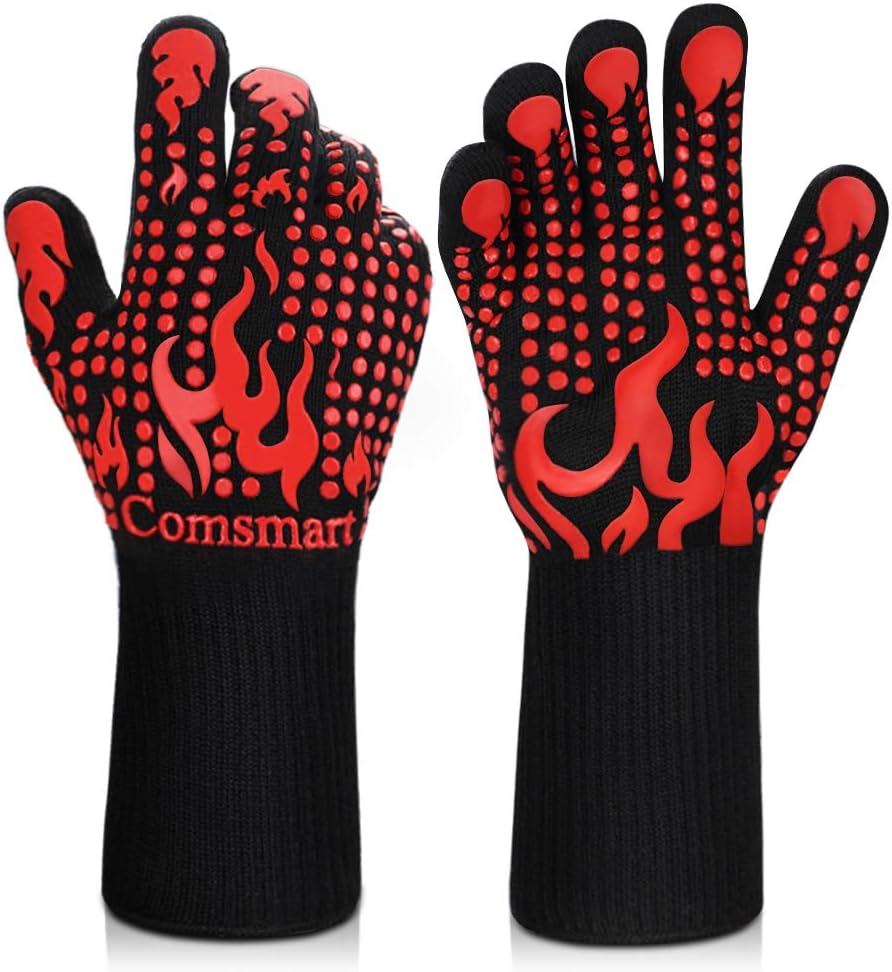
Safety Equipment
Protecting yourself from heat and fumes is paramount when engaging in pyrography.


Essential vs. Optional Pyrography Tools
Work Surface Protection
Shielding your primary workspace from accidental burns and stray marks is vital.


Transfer Paper
Allows you to accurately transfer your designs from paper to the wood surface before burning.


Wood Burning Styli
These are specialized, often finer-tipped tools used for very detailed line work or stippling.


Equipment Intelligence.
Maintenance & Logistics