Painting Tools
Getting into painting means you'll need the right gear, but don't fall into the trap of thinking you need a pro studio from day one. This isn't about expensive canvases or obscure mediums; it's about understanding the core tools that let you actually *paint*. Whether you're drawn to the vibrant immediacy of acrylics, the subtle blending of oils, or the transparent washes of watercolor, the foundational tools are remarkably similar. We'll cut through the noise and focus on what truly matters for your first strokes, helping you avoid common beginner mistakes like buying flimsy brushes or the wrong type of paint for your surface. Let's get you set up with reliable gear that won't hold you back.
Artist Paint Brushes
Brushes are your primary tools for applying paint. Different shapes and sizes are crucial for various techniques, from broad strokes to fine details.


Common Beginner Purchasing Mistakes
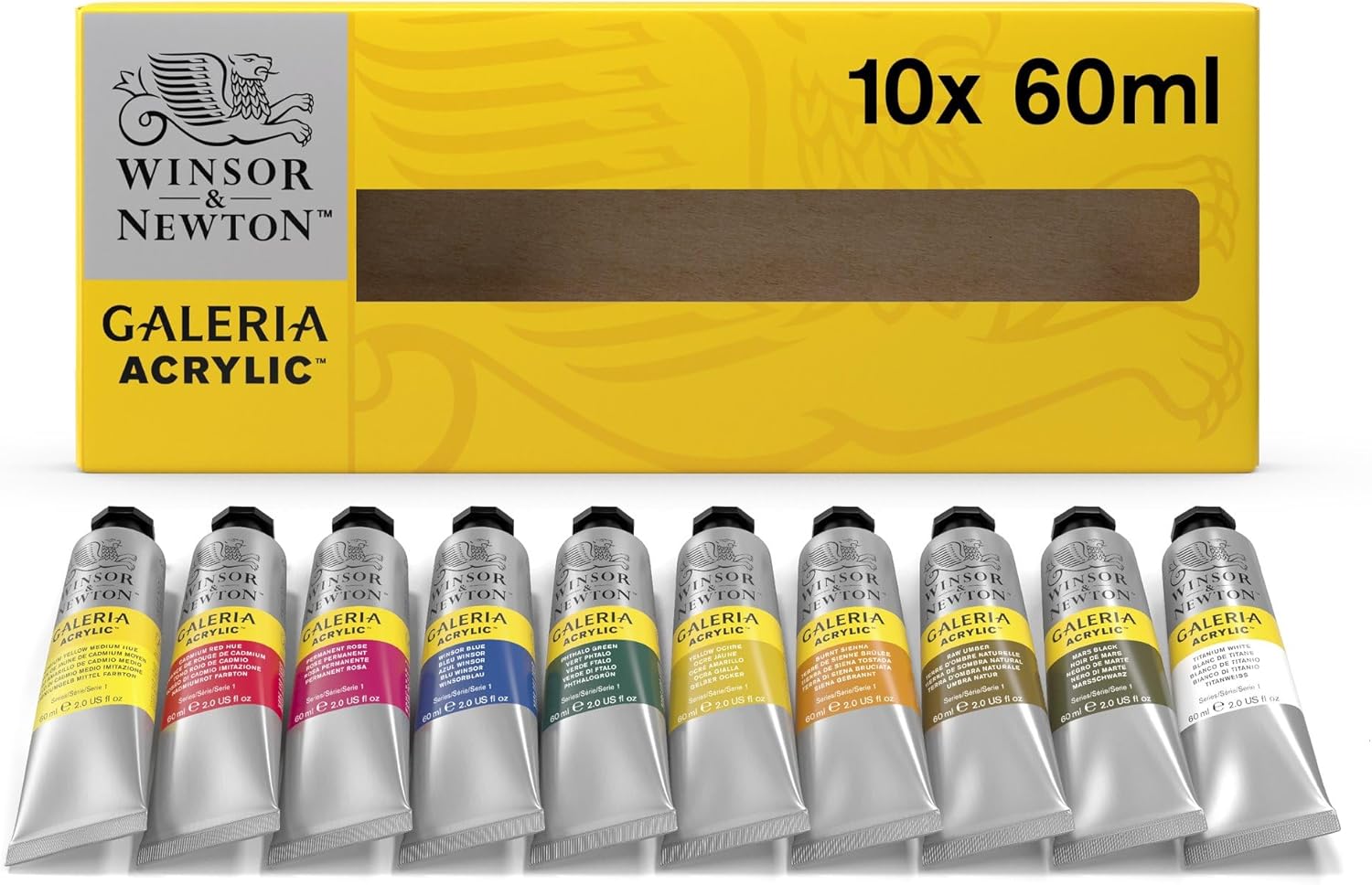
Artist Paints
The medium itself is fundamental. Choosing the right type of paint based on your desired effects and drying time is critical to the painting process.


When to Upgrade Your Tools
Painting Surfaces
The substrate you paint on significantly impacts the final look and feel of your artwork, affecting paint adhesion and texture.


Choosing Your First Medium: Acrylics vs. Oils vs. Watercolors
Paint Palettes
A surface to mix your paints on is crucial for color blending and organization, preventing contamination and waste.


Palette Knives
Beyond brushes, palette knives are essential for mixing paints and applying them thickly to create texture and impasto effects.


Easel
An easel provides stable support for your canvas or paper, allowing for comfortable painting at an angle and better viewing of your work.


Equipment Intelligence.
Maintenance & Logistics