Model Railroading Tools
Diving into model railroading means building a world, and that world needs infrastructure. Don't fall into the trap of buying every flashy gadget you see; focus on the core tools that will let you build, connect, and operate your railway effectively from day one. This isn't about expensive professional gear; it's about smart, practical choices for a satisfying hobby experience. We'll cut through the noise and show you exactly what you need to start laying track, detailing scenery, and bringing your miniature empire to life. Get ready to build something you're proud of, starting with the right equipment.
Model Railroad Track
Reliable track is the backbone of any railway, dictating smooth operation and the overall flow of your layout. Choosing the right type and quality early on prevents operational headaches.



Common Beginner Tool Mistakes
Track Laying Tools
These tools ensure your track is accurately positioned, level, and securely fastened, which is critical for preventing derailments and ensuring reliable operation.


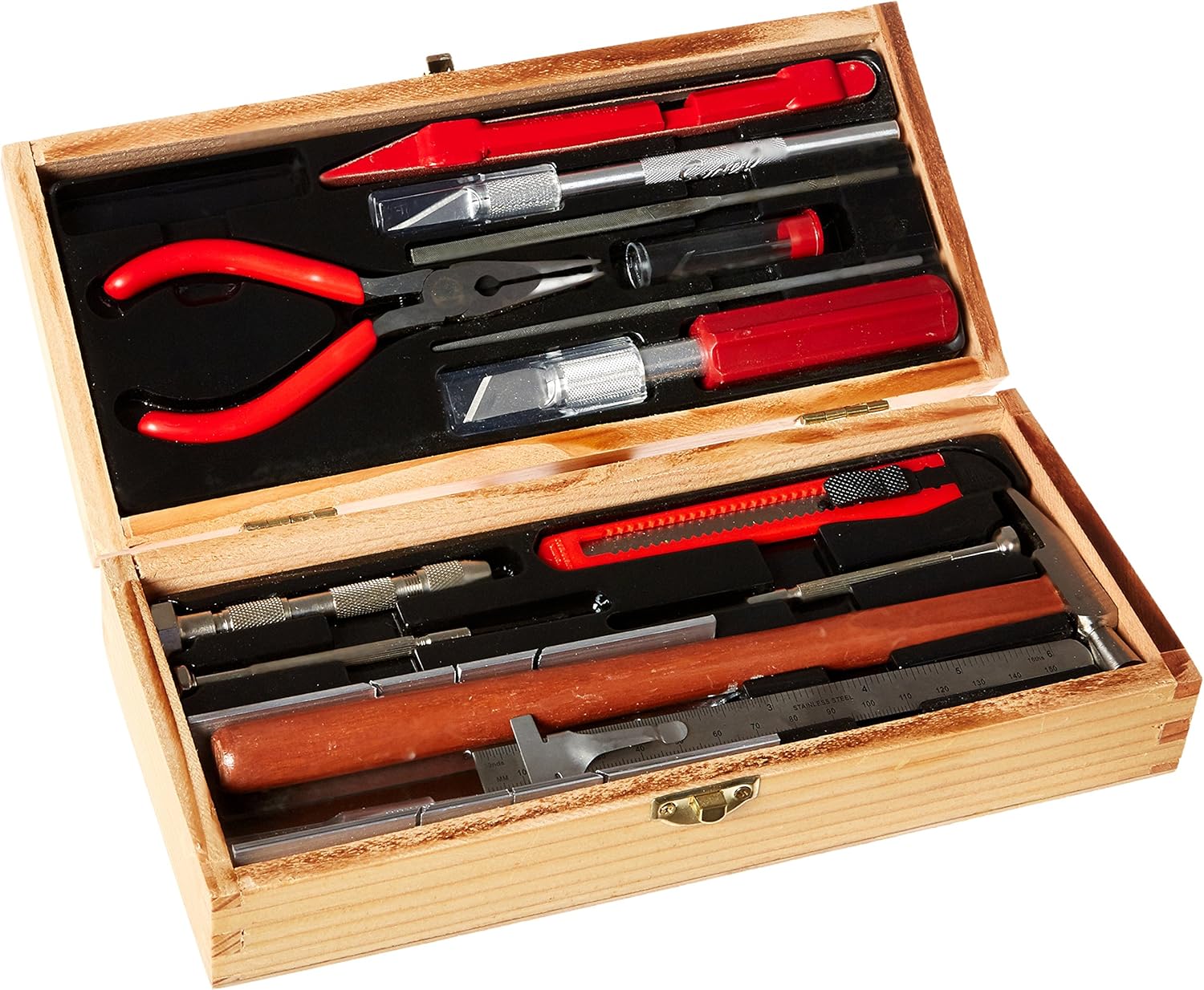
When to Upgrade Your Tools
Model Scenery Materials
Adding realistic scenery transforms your layout from simple tracks to a living miniature world. These materials form the foundation of your landscape.


Track Planning and Laying Essentials
Modeling Adhesives
The right glue is crucial for securing scenery, structures, and other details to your layout without damaging the materials.


Small Parts Tweezers
Handling tiny components like track joiners, electrical connections, and scenic details requires precision tools to avoid dropping or damaging them.


Model Cutting Tools
Precise cutting is essential for trimming parts, modifying structures, and creating custom scenery elements for your layout.


Detail Painting Brushes
Accurate painting of locomotives, rolling stock, structures, and scenery details brings your model railroad to life with realism.


Equipment Intelligence.
Maintenance & Logistics