String Instrument Building (Luthierie) Tools
Diving into luthierie means embracing a craft where precision and the right tools are paramount. Forget about fancy marketing – you need gear that actually helps you shape wood into a sonic masterpiece. As a beginner, the sheer volume of specialized tools can be intimidating, leading many to buy expensive, unnecessary items or cheap substitutes that hinder progress. This guide cuts through the noise. We'll focus on the physical tools you'll use to build string instruments, from carving the neck to bracing the top. We'll cover essential lumber preparation, shaping, joining, and finishing tools, ensuring your first build isn't hampered by a lack of crucial equipment. Let's get your workshop ready for your first instrument.
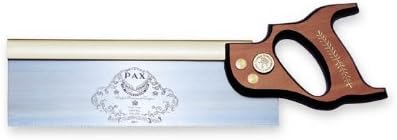
Hand Saw
Accurate and versatile saws are essential for rough cutting lumber and making precise joinery cuts in instrument building.


Common Beginner Tool Mistakes
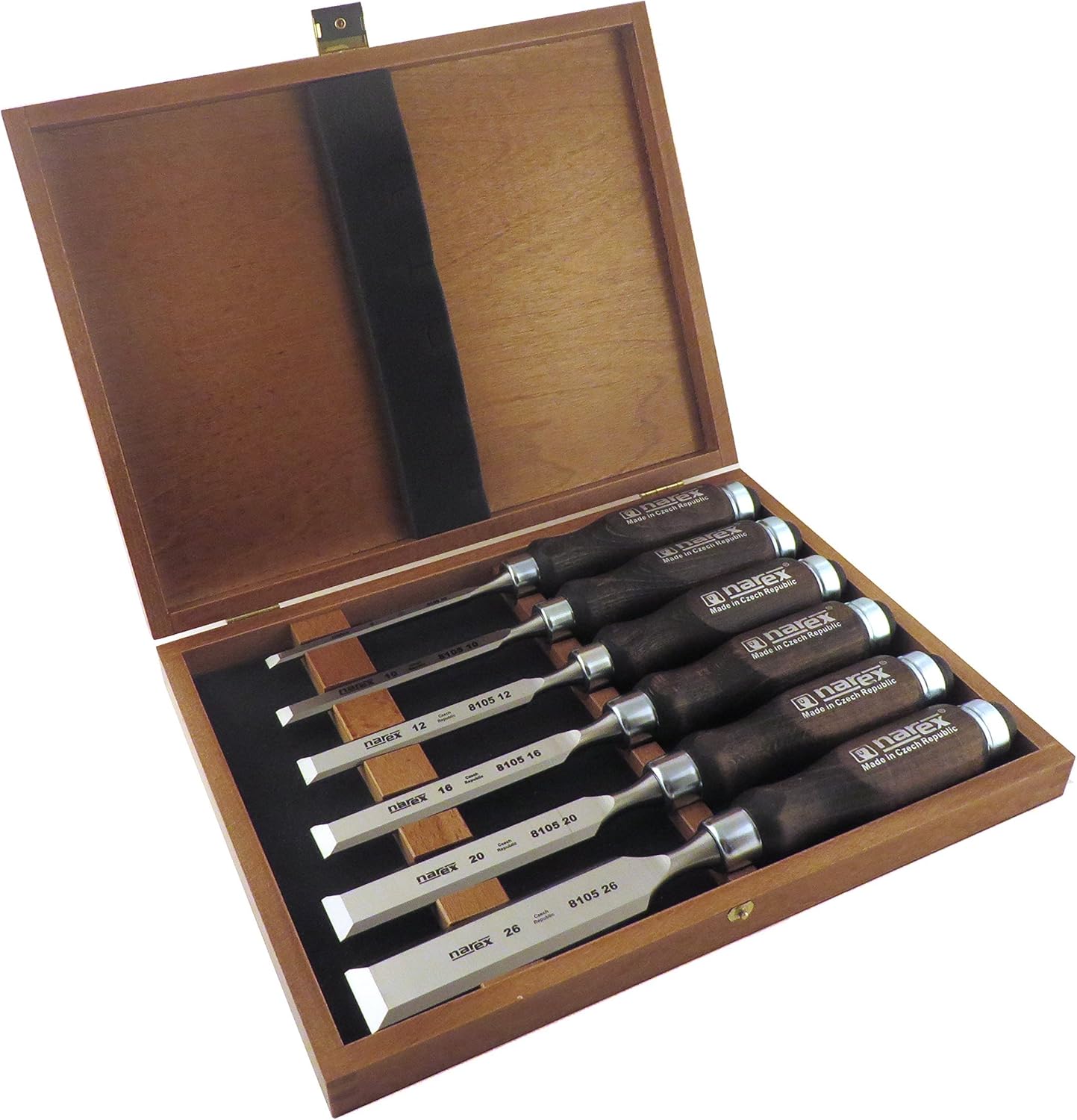
Chisel Set
Chisels are fundamental for paring, cleaning up joints, and shaping wood with high precision.


When to Upgrade Your Tools
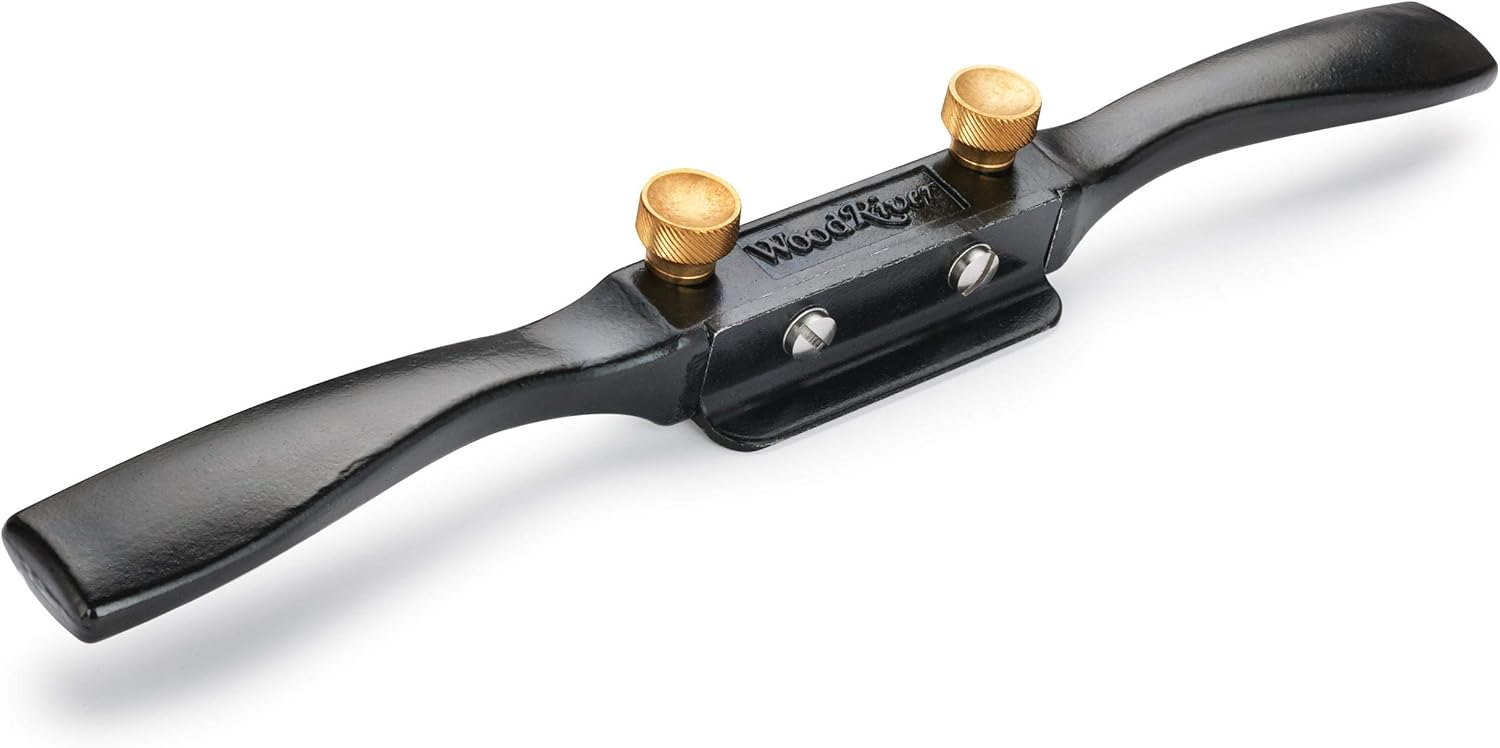
Spokeshave
A spokeshave is crucial for smoothing and shaping curved surfaces like instrument sides and necks.


Hand Tools vs. Power Tools for Beginners
Block Plane
A small, versatile plane ideal for fitting small parts, chamfering edges, and fine adjustments.


Radius Gauges
Ensuring consistent fretboard and bracing radiuses is critical for playability and structural integrity.


Violin Maker's Vise
A specialized vise is indispensable for securely holding instrument parts during gluing and assembly.


Fret Slotting Saw
Accurately cutting fret slots is critical for proper fret placement and intonation.


Body Clamps
Securing the instrument body during glue-up requires a variety of specialized clamps.


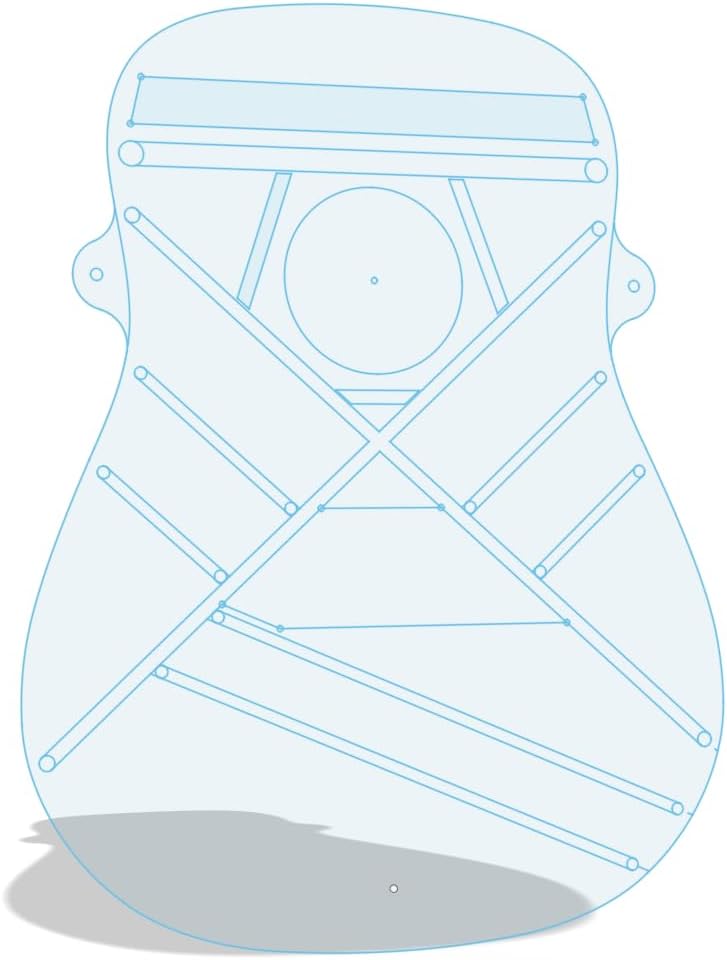
Bracing Template
Accurate bracing patterns are vital for the instrument's tone and structural integrity.


Soundhole Rosette Saw
Precisely cutting intricate rosettes requires a specialized tool for decorative soundhole work.

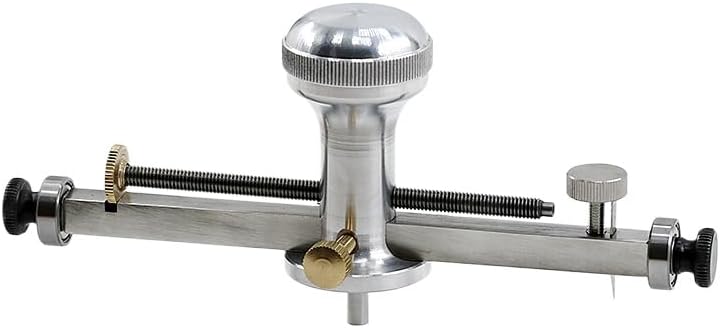

Purfling Groove Tool
Creating clean channels for purfling inlay requires a specialized tool for precise depth and width control.


Equipment Intelligence.
Maintenance & Logistics