Hiking Tools
Hitting the trail is a fantastic way to connect with nature, challenge yourself, and clear your head. But showing up unprepared can quickly turn an epic adventure into a miserable slog. Forget the romantic notions; hiking is about smart preparation and having the right gear. If you're just starting, the sheer volume of equipment can be daunting. This guide cuts through the noise, focusing on the critical items that will make your first few hikes safe, comfortable, and enjoyable. We'll cover everything from the absolute must-haves that are non-negotiable for safety and basic function, to the upgrades that’ll significantly improve your experience as you tackle more challenging routes. Don't waste money on gear you don't need; let's get you equipped for adventure.
Backpack
A well-fitting backpack is crucial for carrying essentials comfortably, distributing weight evenly, and keeping your gear organized on the trail.


Common Beginner Hiking Gear Mistakes
Hiking Boots
Proper footwear provides essential ankle support, traction, and protection against the elements and uneven terrain.


When to Invest in Premium Hiking Gear
Water Bottle
Staying hydrated is paramount on any hike; reliable water containers are non-negotiable for safety.


Footwear: Boots vs. Trail Shoes
Navigation Device
Knowing where you are and where you're going is critical for safety, especially on unfamiliar or challenging trails.


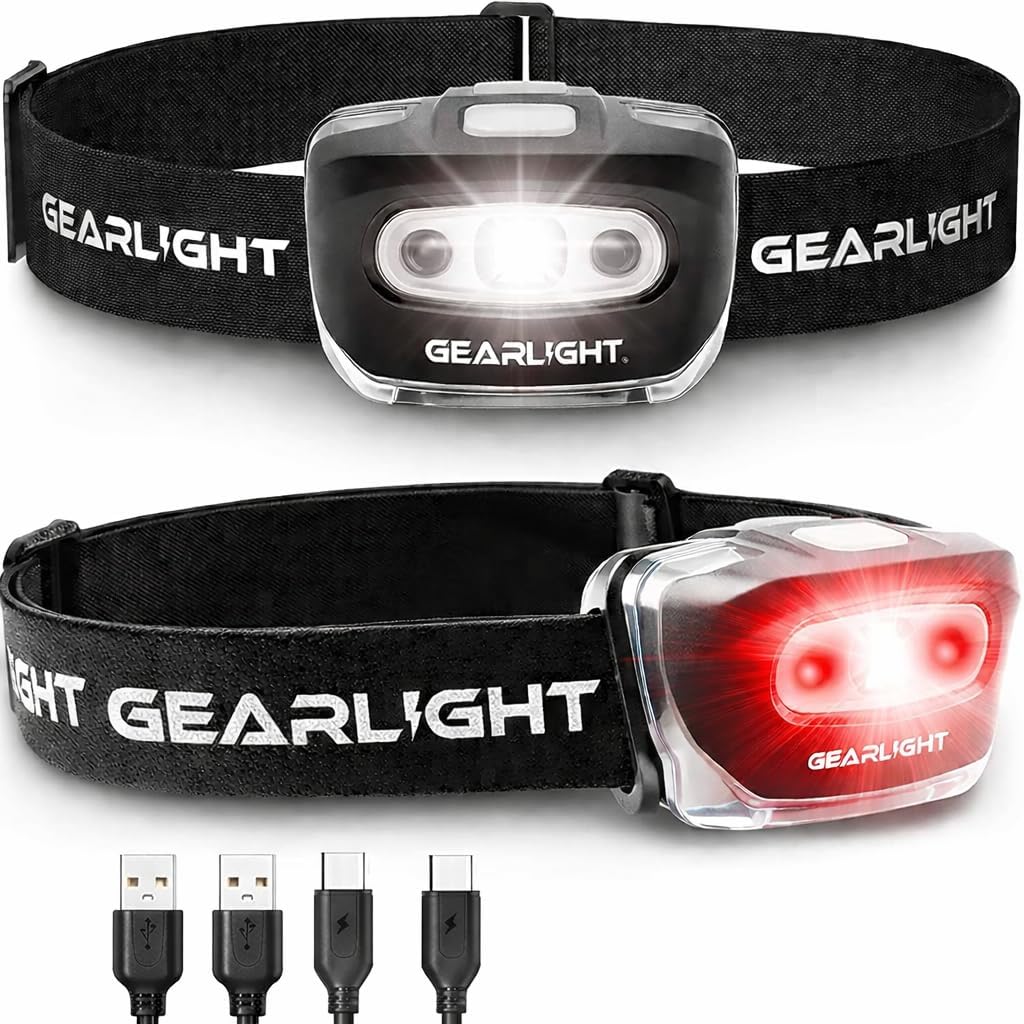
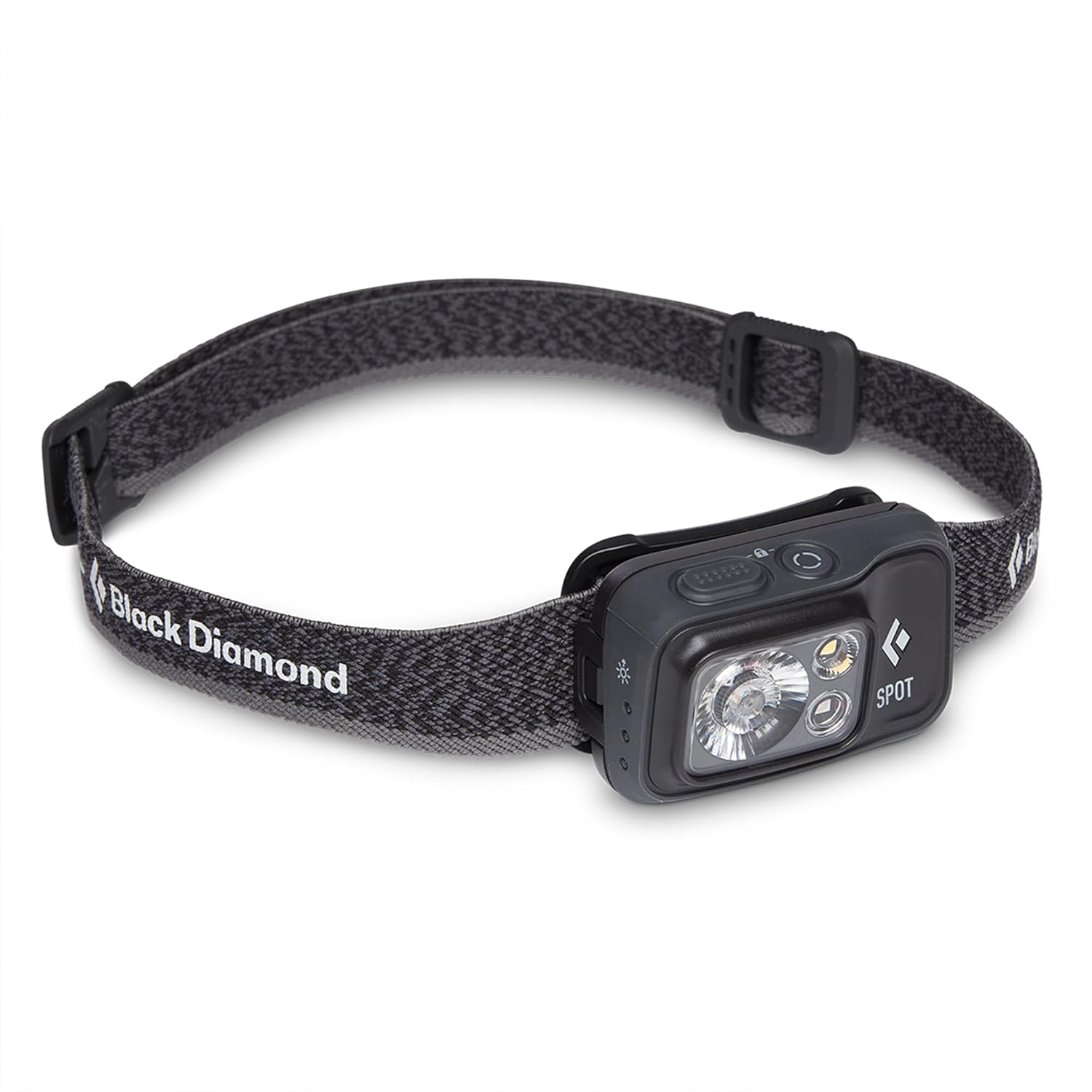
Headlamp
Essential for visibility in low-light conditions or unexpected delays, ensuring you can see and be seen.

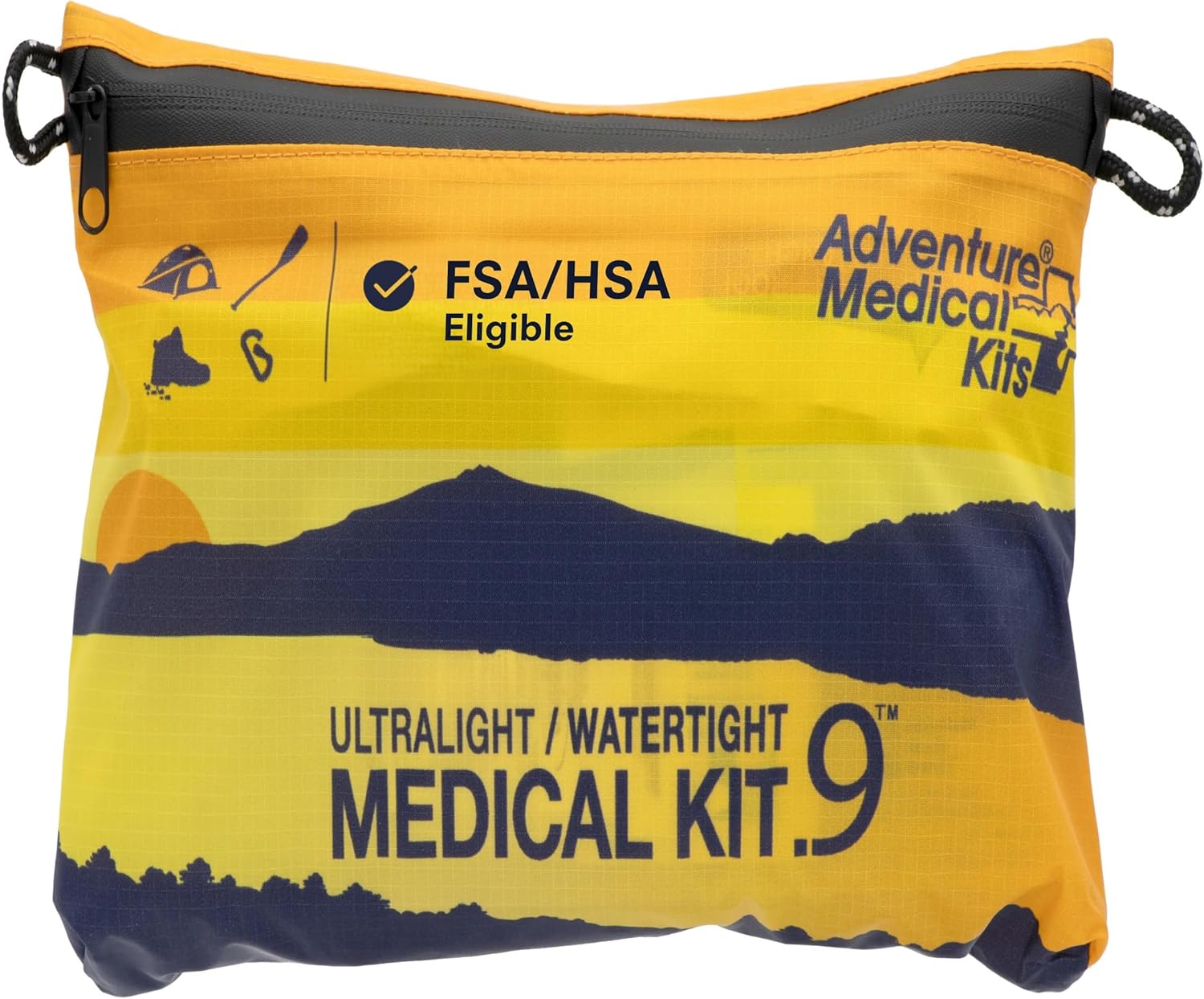
First-Aid Kit
A well-stocked first-aid kit is vital for addressing minor injuries and stabilizing more serious ones until help arrives.


Trekking Poles
These optional poles significantly reduce strain on your knees and ankles, improve balance, and provide propulsion on ascents.


Equipment Intelligence.
Maintenance & Logistics