
Garment Construction
Ideal for those who enjoy making sure every seam and stitch is just right..
0 usersCommunity fit
You end up with something you can hold.
Wondering if Garment Construction is your kind of thing?
See your match — 2-min quizYour first few garments will not fit, and the fixing is the craft: ripping out seams you spent an hour sewing, adjusting a pattern that assumes a body shaped nothing like yours, wrestling fabric that shifts as you stitch.
It's slow, exacting, and humbling early on.
The reward is steep though, the day you put on something you made that actually fits your shoulders and hips, and realize you'll never look at store sizing the same way again.
Is this for you?
Honest tradeoffs before you spend money or clear space.
You'll enjoy this if
- Wearing something you made that finally fits your shoulders sounds worth it.
- Happy ripping out a seam you spent an hour sewing to fix it.
- Adjusting a pattern to a body it was never drafted for interests you.
Not for you if
- Your first garments not fitting would feel like wasted effort, not craft.
- Want speed, not slow hours spent with a seam ripper.
- Fitting muslins and grading between sizes sounds tedious rather than satisfying.
Tends to suitThe Maker
What to expect
Rough shape of the first few months — not a promise, a mental model.
- first session
You cut the pattern pieces, sew the side seams, try it on — and the shoulders don't sit right and the waist hits three inches off. You spend more time with a seam ripper than a needle. Fitting a pattern to an actual body turns out to be the whole craft in miniature.
- first month
You finish a garment with a working zip and hems that don't flare, and you wear it. Not to a special occasion — just a normal Tuesday — and you spent the day quietly smug about the seam allowances you pressed open.
- few months in
You're grading between sizes and adding a full-bust or broad-back adjustment before the first cut, so the muslin fitting is a refinement rather than a reckoning. A blouse with a collar or a pair of trousers with pockets is now a realistic weekend project. You've stopped blaming the pattern for everything.
What people say
My first garment did not fit, the shoulders sat wrong and the waist landed three inches off, and I spent more time with the seam ripper than the needle. Fitting a flat pattern to an actual three-dimensional body turns out to be the entire craft in miniature.
Tip: Sew a quick test version (a muslin) in cheap fabric before you cut your good cloth. It is boring and it saves the project.
Just started · HobbyStackThe day I wore something I made on a normal Tuesday, not a special occasion, and it actually fit my shoulders, I was quietly smug all day. It is slow and exacting, ripping out seams you spent an hour on is just part of it.
Tip: Press every seam as you sew it, before you cross it with another. Pressing is the unglamorous step that separates homemade from handmade.
A few months in · HobbyStackEventually you grade between sizes and add a full-bust or broad-back adjustment before the first cut, so the fitting becomes a refinement instead of a reckoning. The real reward is you stop blaming the pattern and you never look at store sizing the same way.
Tip: Learn one fit adjustment for your own body really well before chasing new patterns. The pattern is generic, your body is not.
Years in · HobbyStack
Garment Construction guides
Projects to get you started
Real things to make, beginner to advanced. Start with whatever appeals — nothing's locked, no set order.
Beginner
2 projectsIntermediate
2 projectsAdvanced
1 projectThe full kit
The essentials run about $443 — you don't need it all to start: each project above lists only what it uses, and the first is often free. Links open Amazon (affiliate tag).
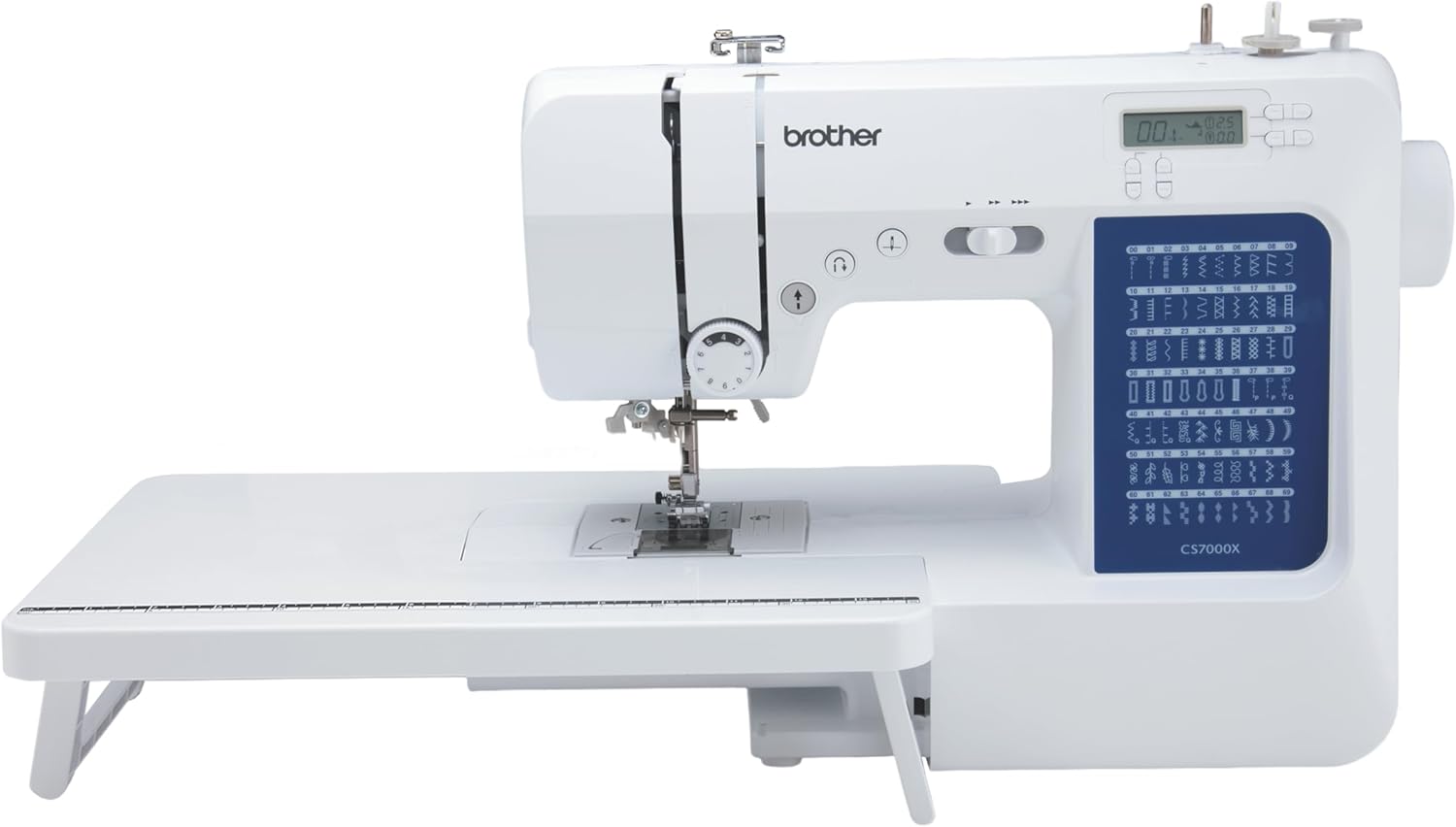
Sewing Machine
Brother CS7000X Computerized Sewing & Quilting Machine
~$250Buy
Fabric Shears
High-Carbon Steel Fabric Shears
~$55Buy
Measuring Tape
Retractable Tailor's Measuring Tape
~$15Buy
Fabric Marking Tools
Water-Soluble Fabric Pens
~$18Buy
Sewing Machine Needles
Assorted Fabric Needle Set
~$20Buy
Thread Snips
Sharp Blade Thread Snips
~$15Buy
Seam Ripper
Comfort Grip Seam Ripper
~$10Buy
Iron and Ironing Board
Variable Temperature Steam Iron
~$60Buy
Related hobbies
If Garment Construction appeals, these share its shape — same kind of pull, different craft.


Frequently asked questions
How much does it cost to start Garment Construction?
A solid starter setup for Garment Construction runs about $443 based on our curated picks — that covers the essentials without over-buying. Real spend varies by brand, condition (new vs. used), and what you already own. See the Tools & gear tab for the full itemised list with current pricing.
Is Garment Construction hard to learn?
Garment Construction has a genuine learning curve — expect months of regular practice before things feel natural. Early sessions can feel clunky, but that's normal. Most people find the progress itself motivating: there is always a clear next thing to improve. Starting with a structured lesson or class rather than self-teaching makes a meaningful difference in how fast you progress.
What do you actually need to start Garment Construction?
The Projects tab lists exactly what each starter project uses, which is usually a short list. Avoid buying a full kit before your first session — borrow or rent what you can to keep the entry cost low until you know the hobby fits.
Can you do Garment Construction completely on your own?
Yes — Garment Construction is well-suited to solo practice. Most people do it on their own schedule without needing partners, clubs, or group sessions. That makes it easy to fit into a busy week, and your progress is not dependent on others showing up. Community is available if you want it, but it is entirely optional.
Can you try Garment Construction before committing to it?
Strongly recommended. Look for intro classes, club open days, or single-session rentals — most areas have options. Many gear shops let you demo or rent equipment for a day. Starting with a low-commitment first session before buying anything is the standard advice from people already in the hobby: it tells you whether you actually enjoy it, not just whether you think you will.