Blacksmithing Tools
Blacksmithing isn't about delicate finesse; it's about raw power, controlled heat, and the satisfying shock of hammer on steel. If you're drawn to this ancient craft, forget the notion of starting with a sprawling workshop. This guide cuts through the noise to tell you exactly what you need to forge your first pieces. We're focusing on the essentials for working with solid metal – no digital sculpting here. Many beginners waste money on specialized tools they won't use for years, or worse, invest in unsafe equipment. We'll steer you towards the foundational gear that makes forging possible and safe, so you can spend less time researching and more time making sparks fly.
Blacksmithing Hammer
The primary tool for shaping hot metal, your hammer's weight and shape are crucial for efficient forging. Selecting the right one early saves immense effort.


Common Beginner Blacksmithing Mistakes
Anvil
The anvil is your stable, hardened surface for all hammering operations. Its mass and rebound are critical for effective metal shaping.


When to Upgrade Your Blacksmithing Tools
Tongs
Essential for safely holding hot metal. You'll need a variety of jaw shapes to grip different stock sizes and perform various operations.


Forges: Propane vs. Coal for Beginners
Forging Fuel
You need a heat source to make metal malleable. Coal and propane are the most common for beginners.


Safety Gear
Protecting yourself is non-negotiable. Proper safety gear prevents severe injury when working with extreme heat and force.


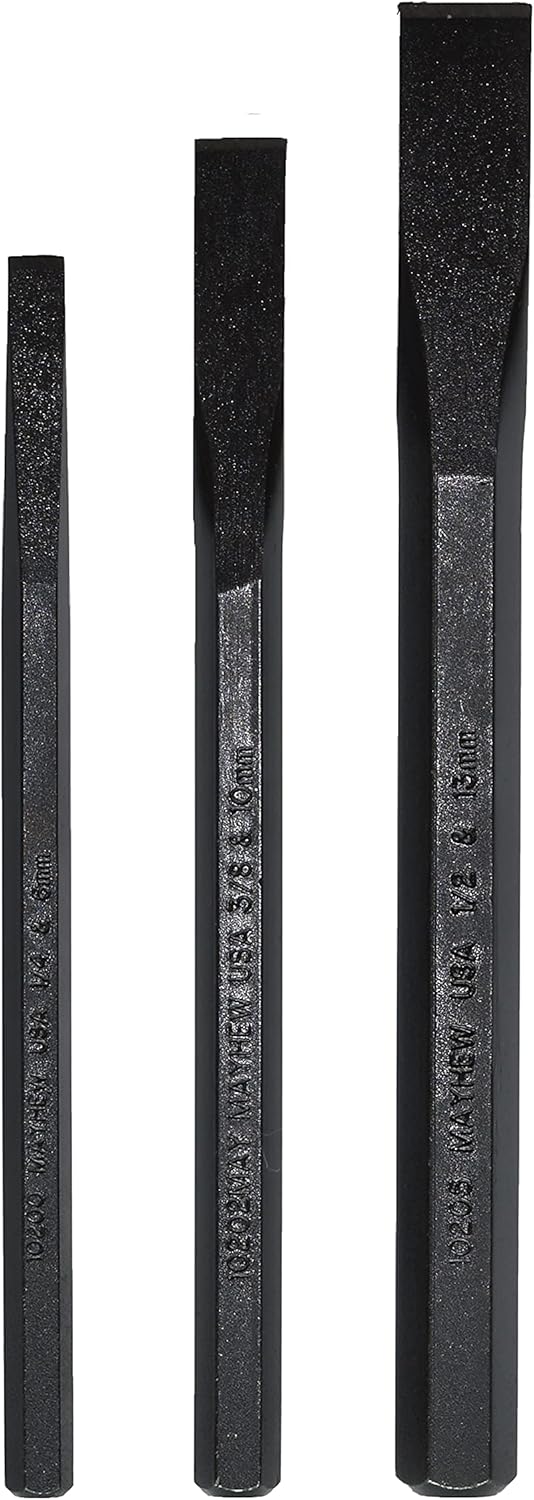
Chisels and Punches
These tools are used for cutting hot metal, making holes, and decorative detailing. They are vital for moving beyond basic shaping.


Vise
A sturdy vise is invaluable for holding workpieces securely for filing, bending, or detailed manipulation when they're not on the anvil.


Equipment Intelligence.
Maintenance & Logistics