Beekeeping Tools
Diving into beekeeping? It's a practice steeped in tradition and vital for our environment, but let's cut to the chase: you need the right gear. Forget romantic notions of simply walking up to a hive; proper beekeeping requires specific tools for safe interaction and colony health. Many beginners waste money on flashy gadgets or skip crucial safety items, leading to frustration and potential stings. This guide cuts through the noise, focusing on the practical, reliable equipment that will empower you to manage your first colony successfully. We'll cover everything from basic hive entry tools to essential protective wear, ensuring your journey into the fascinating world of bees is both productive and safe.
Bee Suit
Protective bee suits are paramount for safety, preventing stings and allowing you to work calmly with the bees. Without adequate protection, beekeeping can quickly become a painful and discouraging experience.


Common Beginner Beekeeping Tool Mistakes
Smoker
A smoker is essential for calming the bees during hive inspections by masking their alarm pheromones. A calm hive is a safer and easier hive to work with.


When to Upgrade Your Beekeeping Gear
Hive Tool
This versatile tool is indispensable for prying apart frames stuck together with propolis and wax, and for scraping away burr comb. It's your primary interface for manipulating the hive structure.


Choosing Your First Bee Suit
Gloves
While a full bee suit offers protection, gloves provide an extra layer of defense for your hands, which are often the closest to the bees. Essential for confident handling.


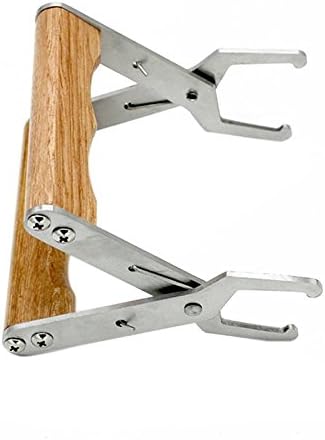
Frame Grip
This tool allows you to securely grip and lift frames from the hive without crushing bees or damaging the comb. It significantly simplifies frame manipulation.


Feeders
Beekeeping feeders are crucial for supplementing your colony's nutrition, especially during times of nectar dearth or for providing medication. Proper feeding supports hive health and strength.


Equipment Intelligence.
Maintenance & Logistics