Astrophotography Tools
Astrophotography isn't just pointing a camera at the sky; it's about capturing the universe in detail. If you're tired of blurry phone photos of the moon and want to see nebulae in their full glory, you need the right gear. This isn't about buying the most expensive telescope immediately. It's about understanding the core tools that will let you capture meaningful images of the night sky. We'll cut through the marketing noise and tell you precisely what you need to start taking stunning celestial photos, avoiding the common pitfalls beginners face, like investing in incompatible equipment or skipping essential components. Let's get your astrophotography journey started with the right foundation.
Telescope
Your primary tool for gathering light from distant celestial objects. The type and aperture significantly impact image quality and what you can capture.


Common Beginner Astrophotography Mistakes
Camera Mount
Crucial for stability and tracking celestial objects as the Earth rotates, preventing star trails in your images.


When to Upgrade Your Gear
Camera
Captures the light gathered by your telescope. Dedicated astronomy cameras offer superior sensitivity and control.


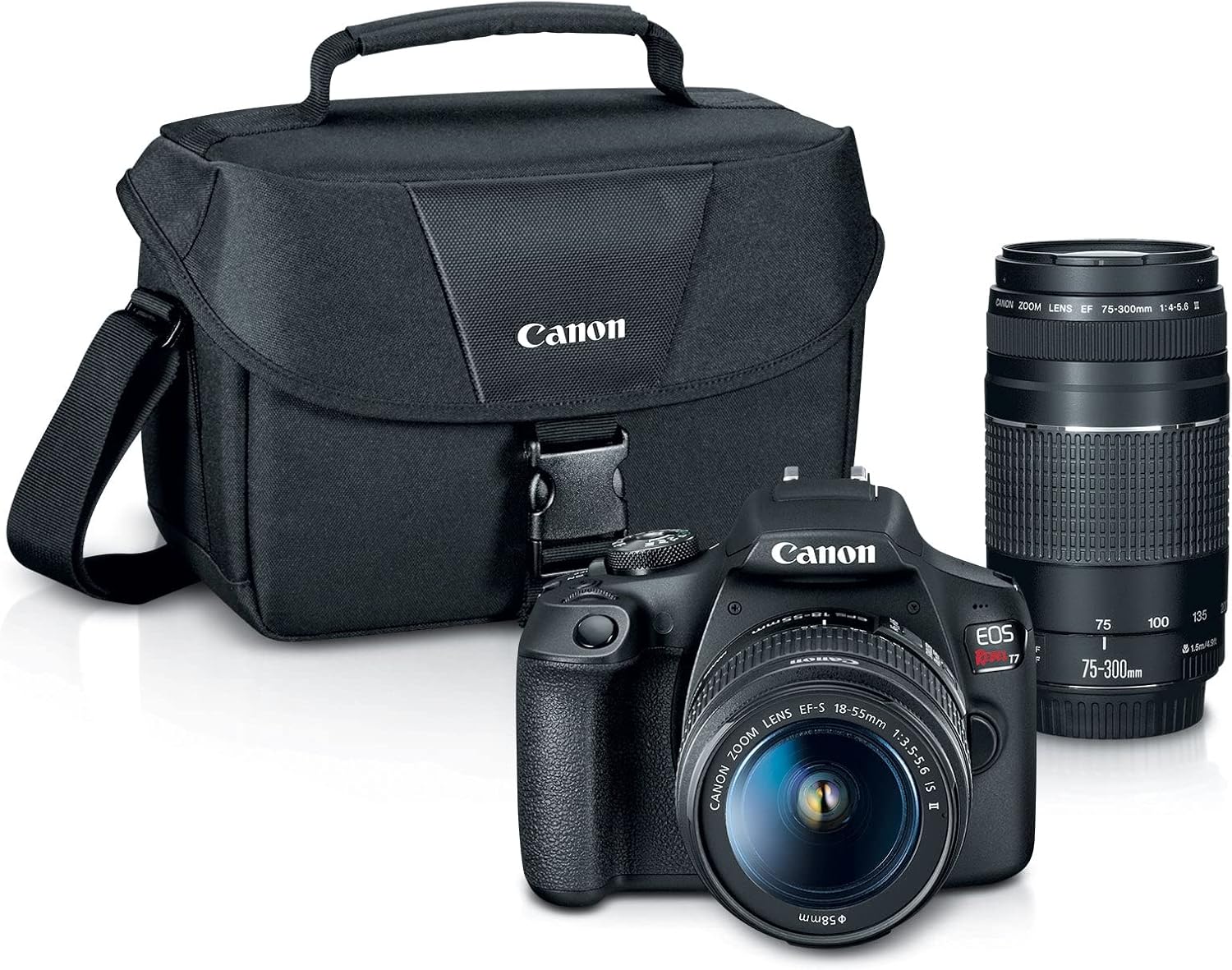
Telescope vs. Camera-Centric Astrophotography
Adaptors and Accessories
These are the connectors and extensions that allow your camera, telescope, and mount to work together seamlessly.


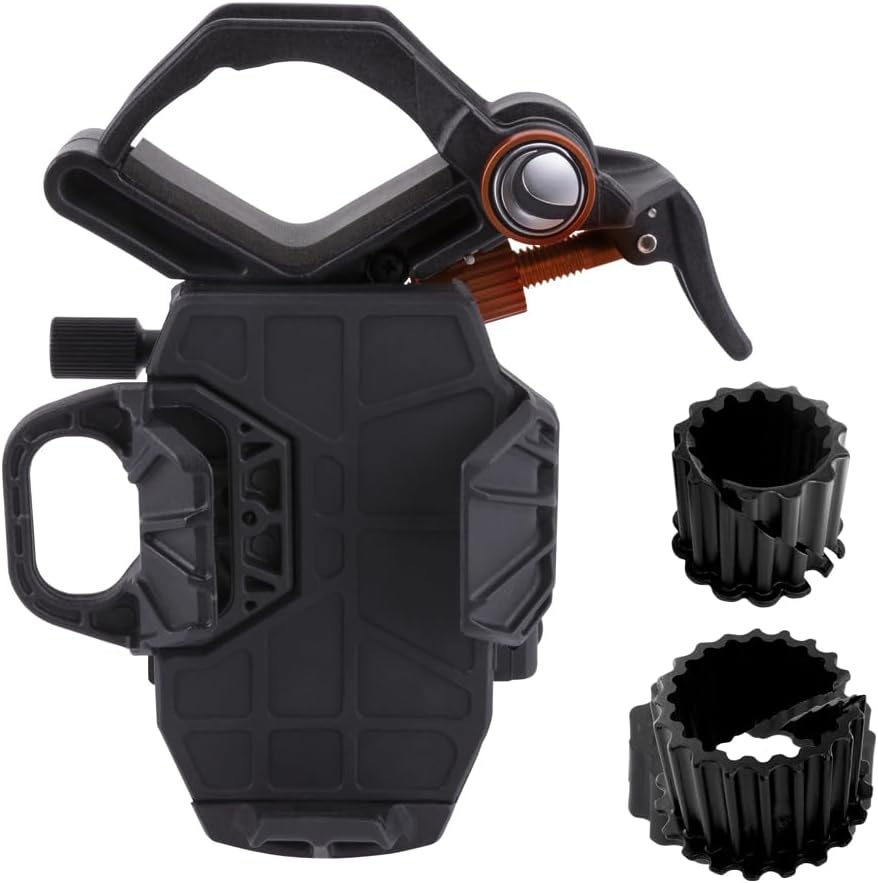
Image Processing Software
Software is vital for stacking multiple exposures and processing them to reveal hidden details.


Power Supplies
Keeping your equipment powered, especially during long imaging sessions, is critical for uninterrupted captures.


Dew Heater
Prevents moisture from forming on your optics, which can ruin images during humid nights.


Equipment Intelligence.
Maintenance & Logistics