Explore past civilizations by uncovering and analyzing historical artifacts.
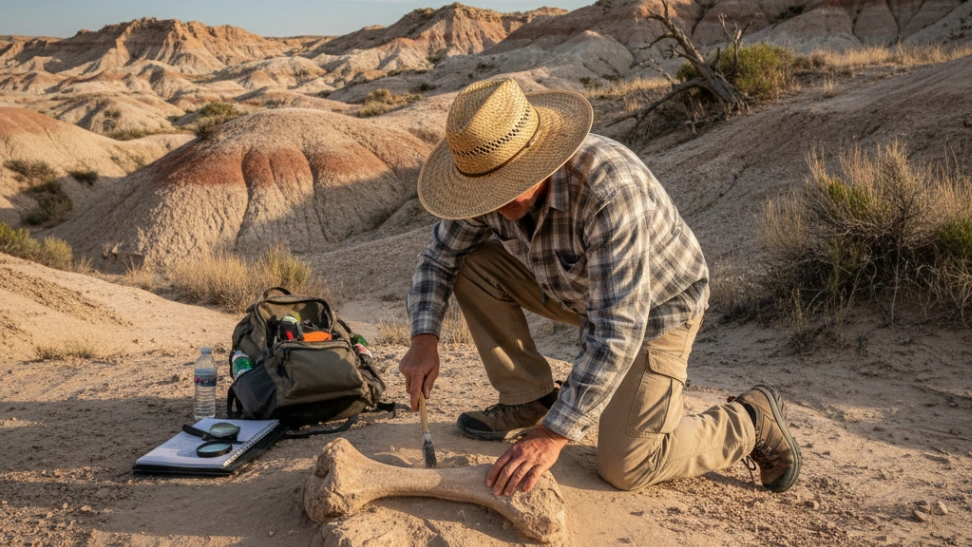
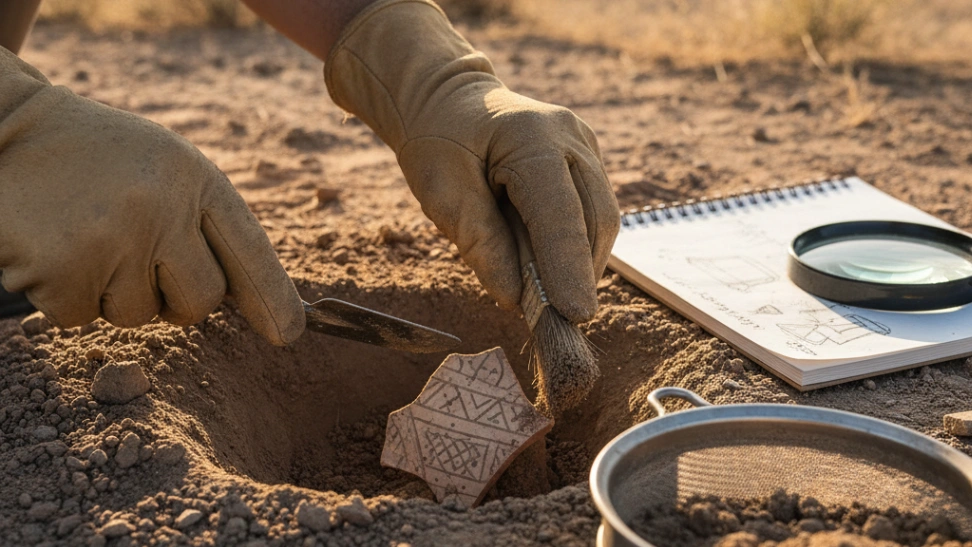
Amateur archaeology is a hands-on journey into the past, offering the thrill of discovery and the satisfaction of piecing together historical narratives. It's about more than just digging; it involves meticulous recording, careful artifact identification, and understanding the context in which objects were found. This hobby connects you directly with human history, allowing you to touch tangible evidence of ancient lives, from pottery shards to ancient tools. It requires patience, keen observation, and a commitment to ethical practices, ensuring that the sites and artifacts are preserved for future study. Whether exploring local historical sites or delving into the rich tapestry of ancient civilizations, amateur archaeology provides a profound sense of connection to humanity's heritage and a constant opportunity for learning and exploration.
For the curious mind that enjoys meticulous research and hands-on exploration of historical remnants.
Your journey starts here. Follow these steps to get started with Amateur Archaeology.
Begin by finding a local archaeological society or a university extension program that offers volunteer opportunities for amateur involvement. Many organizations welcome beginners for field work on supervised digs. For example, the Archaeological Institute of America (AIA) has numerous local societies and often lists opportunities: https://www.archaeological.org/societies/. Look for groups that prioritize ethical practices and offer training.
Familiarize yourself with fundamental archaeological methods, such as proper excavation techniques (e.g., using trowels, brushes), grid mapping, soil description, and the importance of context. Crucially, understand the ethical guidelines surrounding artifact collection and site preservation. Ignorance of these can lead to serious legal and ethical violations.
Instead of immediate excavation, begin with surface surveys in areas known to have historical significance, with proper permission. Research local history and known historical sites in your region. This can often be done by visiting local historical societies, libraries, and archives, providing valuable context before any hands-on work.
Acquire basic tools that are indispensable for fieldwork. This includes a sturdy trowel, a small brush set, a field notebook and pencils, a measuring tape, and appropriate clothing and footwear for outdoor work. A good magnifying glass can also be surprisingly useful for examining small finds.
Our top picks for core tools to get you started.
Recommended items to enhance your experience.
As an Amazon Associate, HobbyStack may earn from qualifying purchases. Prices are estimates.
The most significant pitfall is engaging in unauthorized digging or collecting artifacts from historical sites, which is illegal in most jurisdictions and harmful to archaeological research. Always obtain proper permits and follow legal guidelines.
Simply digging up artifacts without carefully recording their exact location (provenience), associated finds, and stratigraphic layer destroys invaluable data. Context is often more important than the artifact itself.
Newcomers may mistake modern debris or natural objects for significant artifacts. Proper training and referencing guides are essential to avoid misinterpretations and drawing incorrect conclusions about a site's history.
A hobby's core characteristics, based on community votes.
45% Group
You thrive in social settings, enjoying hobbies that involve collaboration, competition, and community.
10% Energetic
You appreciate a balance of calm focus and moments of light, engaging activity.
76% Outdoors
You are a true outdoor adventurer who feels most alive when far from civilization and immersed in nature.
34% Technical
You tend to prefer structured activities but enjoy a little creative flair.
33% Physical
You enjoy being active and are drawn to hobbies that involve hands-on, physical engagement.
Based on 25 total trait votes.
If you like Amateur Archaeology, you might also enjoy these related hobbies.
Dive deeper with these community-recommended websites, guides, and forums.
The AIA offers resources, publications, and local society connections for those interested in archaeology, promoting archaeological research and education.
The SAA provides ethical guidelines, resources for public outreach, and information on archaeological careers and volunteer opportunities.
Local institutions are invaluable for understanding regional history and often have connections to amateur archaeological groups or projects.
The study of the sequential layering of soil and rock deposits, which helps archaeologists understand the relative age of artifacts found within different layers.
The exact three-dimensional location (horizontal and vertical) of an artifact or feature within an archaeological site, critical for understanding its context.
Any object made, modified, or used by humans, such as tools, pottery, or ornaments, that is discovered during archaeological investigation.
A distinct archaeological element that cannot be removed from a site, such as a fire pit, a wall, or a burial, which provides information about past human activities.
This hobby's profile is shaped by the community. See what's most popular and cast your own vote to refine its identity.
The community strongly defines Amateur Archaeology by aspects of the Science & Exploration category.
Many users also associate Amateur Archaeology with Collecting & Curation.
A number of users see a connection between this hobby and Outdoor & Adventure.
Explore past civilizations by uncovering and analyzing historical artifacts.
Amateur archaeology is a hands-on journey into the past, offering the thrill of discovery and the satisfaction of piecing together historical narratives. It's about more than just digging; it involves meticulous recording, careful artifact identification, and understanding the context in which objects were found. This hobby connects you directly with human history, allowing you to touch tangible evidence of ancient lives, from pottery shards to ancient tools. It requires patience, keen observation, and a commitment to ethical practices, ensuring that the sites and artifacts are preserved for future study. Whether exploring local historical sites or delving into the rich tapestry of ancient civilizations, amateur archaeology provides a profound sense of connection to humanity's heritage and a constant opportunity for learning and exploration.
For the curious mind that enjoys meticulous research and hands-on exploration of historical remnants.
Your journey starts here. Follow these steps to get started with Amateur Archaeology.
Begin by finding a local archaeological society or a university extension program that offers volunteer opportunities for amateur involvement. Many organizations welcome beginners for field work on supervised digs. For example, the Archaeological Institute of America (AIA) has numerous local societies and often lists opportunities: https://www.archaeological.org/societies/. Look for groups that prioritize ethical practices and offer training.
Familiarize yourself with fundamental archaeological methods, such as proper excavation techniques (e.g., using trowels, brushes), grid mapping, soil description, and the importance of context. Crucially, understand the ethical guidelines surrounding artifact collection and site preservation. Ignorance of these can lead to serious legal and ethical violations.
Instead of immediate excavation, begin with surface surveys in areas known to have historical significance, with proper permission. Research local history and known historical sites in your region. This can often be done by visiting local historical societies, libraries, and archives, providing valuable context before any hands-on work.
Acquire basic tools that are indispensable for fieldwork. This includes a sturdy trowel, a small brush set, a field notebook and pencils, a measuring tape, and appropriate clothing and footwear for outdoor work. A good magnifying glass can also be surprisingly useful for examining small finds.
Our top picks for core tools to get you started.
Recommended items to enhance your experience.
As an Amazon Associate, HobbyStack may earn from qualifying purchases. Prices are estimates.
The most significant pitfall is engaging in unauthorized digging or collecting artifacts from historical sites, which is illegal in most jurisdictions and harmful to archaeological research. Always obtain proper permits and follow legal guidelines.
Simply digging up artifacts without carefully recording their exact location (provenience), associated finds, and stratigraphic layer destroys invaluable data. Context is often more important than the artifact itself.
Newcomers may mistake modern debris or natural objects for significant artifacts. Proper training and referencing guides are essential to avoid misinterpretations and drawing incorrect conclusions about a site's history.
A hobby's core characteristics, based on community votes.
45% Group
You thrive in social settings, enjoying hobbies that involve collaboration, competition, and community.
10% Energetic
You appreciate a balance of calm focus and moments of light, engaging activity.
76% Outdoors
You are a true outdoor adventurer who feels most alive when far from civilization and immersed in nature.
34% Technical
You tend to prefer structured activities but enjoy a little creative flair.
33% Physical
You enjoy being active and are drawn to hobbies that involve hands-on, physical engagement.
Based on 25 total trait votes.
If you like Amateur Archaeology, you might also enjoy these related hobbies.
Dive deeper with these community-recommended websites, guides, and forums.
The AIA offers resources, publications, and local society connections for those interested in archaeology, promoting archaeological research and education.
The SAA provides ethical guidelines, resources for public outreach, and information on archaeological careers and volunteer opportunities.
Local institutions are invaluable for understanding regional history and often have connections to amateur archaeological groups or projects.
The study of the sequential layering of soil and rock deposits, which helps archaeologists understand the relative age of artifacts found within different layers.
The exact three-dimensional location (horizontal and vertical) of an artifact or feature within an archaeological site, critical for understanding its context.
Any object made, modified, or used by humans, such as tools, pottery, or ornaments, that is discovered during archaeological investigation.
A distinct archaeological element that cannot be removed from a site, such as a fire pit, a wall, or a burial, which provides information about past human activities.
This hobby's profile is shaped by the community. See what's most popular and cast your own vote to refine its identity.
The community strongly defines Amateur Archaeology by aspects of the Science & Exploration category.
Many users also associate Amateur Archaeology with Collecting & Curation.
A number of users see a connection between this hobby and Outdoor & Adventure.